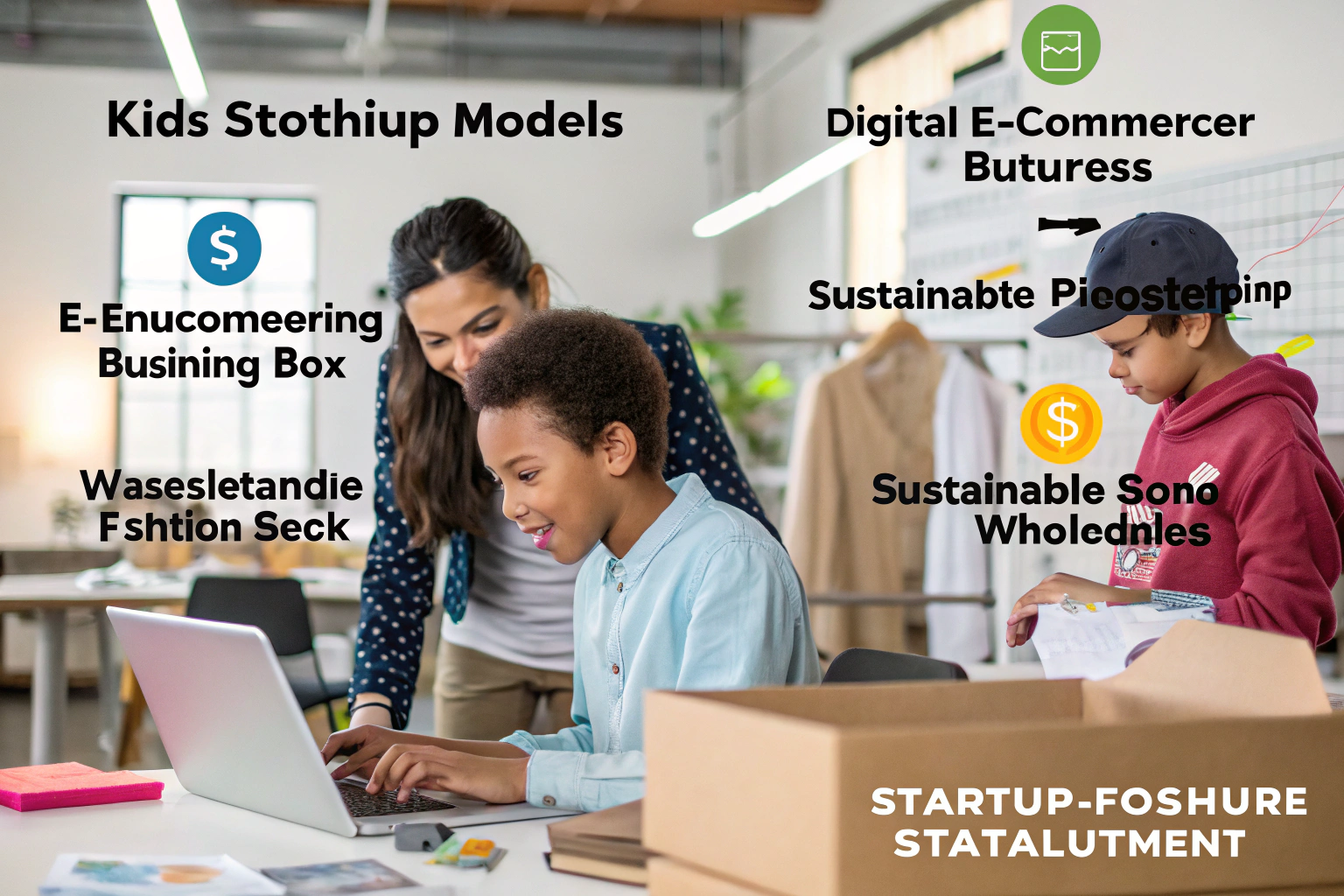
Choosing the right business model is one of the most critical decisions for a kids clothing startup, determining everything from your target market to your operational structure and growth potential. As manufacturers who have partnered with startups across different business models, we’ve identified which approaches show the strongest success patterns in today’s market.
The best business models for a kids clothing startup include direct-to-consumer e-commerce, subscription services, niche specialization, wholesale partnerships, and sustainable/circular fashion approaches. The optimal choice depends on your specific strengths, target market, funding resources, and long-term vision. Successful startups often begin with a focused model and gradually expand into complementary approaches as they establish market traction and customer loyalty.
Why Has Direct-to-Consumer E-commerce Become Dominant?
The DTC model has revolutionized kids fashion by allowing brands to control their customer relationships, maintain higher margins, and gather valuable data while reaching parents directly through digital channels.
Direct-to-consumer e-commerce eliminates traditional retail intermediaries, allowing startups to offer better value while building direct relationships with their customers. This model provides complete control over brand presentation, customer experience, and pricing strategy. For kids clothing specifically, DTC enables brands to address parents’ specific concerns about quality, safety, and practicality through targeted messaging and personalized shopping experiences that mass retailers cannot match.

What Advantages Does DTC Offer New Kids Brands?
The DTC model provides several distinct advantages for kids clothing startups. Higher margins (typically 50-70% versus 30-50% through wholesale) allow for better quality materials and construction. Direct customer relationships enable personalized communication about new sizes, seasonal updates, and complementary products. According to Shopify’s DTC research, DTC brands grow 3 times faster than traditional retail brands by leveraging customer data to optimize products and marketing. For children’s wear, this direct relationship is particularly valuable for understanding sizing issues, receiving fit feedback, and building loyalty through multiple child life stages.
What Are the Key Challenges of the DTC Model?
While advantageous, the DTC model presents significant challenges that startups must navigate. Customer acquisition costs have risen dramatically as digital advertising becomes more competitive. Forrester Research notes that customer acquisition costs for DTC brands increased 50% between 2018-2023. Additionally, DTC brands bear all inventory risk and must manage complex logistics including returns and exchanges. For kids clothing startups, managing size exchanges and returns can be particularly challenging given how quickly children grow and how subjective fit perceptions can be among parents.
How Do Subscription Models Create Predictable Revenue?
Clothing subscription services offer parents convenience and regular wardrobe updates while providing startups with recurring revenue and valuable customer retention.
Subscription models in kids clothing typically operate as curated boxes delivered regularly (monthly, quarterly, or seasonally) or as rental services allowing clothing rotation as children grow. Both approaches address the fundamental challenge of children’s rapidly changing sizes and styles while creating predictable business metrics that appeal to investors and facilitate operational planning.

What Makes Curated Box Services Appealing to Parents?
Curated subscription boxes solve several pain points for parents: the time required for constant shopping, the surprise of growth spurts leaving children with nothing to wear, and the desire for variety without closet clutter. Services like Rent the Runway’s Kids Division and Little Loop have demonstrated strong market demand. According to McKinsey’s subscription economy research, the convenience factor drives 65% of subscription purchases, while discovery of new brands motivates 35%. For startups, this model provides recurring revenue and dramatically increases customer lifetime value compared to one-time purchases.
How Do Rental Subscriptions Support Sustainable Business?
Clothing rental subscriptions align with growing consumer interest in sustainable fashion while addressing the practical problem of children quickly outgrowing clothing. This model allows startups to maintain ownership of inventory, potentially generating 3-5 times more revenue from each garment compared to traditional sales. The Ellen MacArthur Foundation notes that extending a garment’s life by just nine months reduces its environmental impact by 20-30%. For startups, the rental model requires significant upfront inventory investment but can deliver stronger long-term unit economics and appeal to environmentally conscious millennial and Gen Z parents.
Why Does Niche Specialization Drive Early Success?
Focusing on a specific niche allows startups to dominate a particular segment rather than competing broadly against established players with larger marketing budgets.
Successful niche kids clothing startups typically identify an underserved customer segment or specific clothing need and develop deep expertise in serving that market. This specialization enables targeted marketing, community building, and product development that resonates strongly within the niche while requiring more modest resources than attempting to serve the broader market.

What Types of Niches Show Strong Potential?
Several niche categories have demonstrated particular strength in the kids wear market. Adaptive clothing for children with disabilities or sensory sensitivities addresses a significantly underserved market. Gender-neutral designs appeal to modern parents rejecting traditional gender stereotypes. Activity-specific clothing (dance, soccer, skiing) allows for specialized designs that general retailers cannot match. According to CB Insights market analysis, niche-focused startups achieve profitability 25% faster than generalists by concentrating resources and building passionate customer communities around specific needs or values.
How Does Specialization Improve Marketing Efficiency?
Niche targeting dramatically improves marketing efficiency by focusing on specific customer profiles with known interests, values, or challenges. Startups can participate in targeted communities, advertise in specialized publications, and partner with influencers who specifically serve their niche audience. The American Marketing Association reports that niche brands achieve 3-5 times higher engagement rates by speaking directly to their audience’s specific interests and concerns. For kids clothing startups with limited marketing budgets, this focused approach prevents wasted spend on broad audiences unlikely to convert.
How Can Sustainable/Circular Models Build Brand Value?
Eco-friendly and circular business models resonate strongly with modern parents while potentially offering superior unit economics through extended product lifecycles.
Sustainable kids clothing startups focus on environmental and social responsibility throughout their operations, from material sourcing to end-of-life product management. Circular models specifically design out waste and keep products in use longer, aligning with growing consumer consciousness about fashion’s environmental impact while addressing practical parenting needs.

What Sustainable Approaches Appeal to Modern Parents?
Today’s parents increasingly consider environmental impact when making purchasing decisions, particularly for children’s products. Startups using GOTS-certified organic materials, recycled fabrics, non-toxic dyes, and ethical manufacturing can command price premiums of 15-30% while building brand loyalty. Research from Nielsen shows that 73% of millennials will pay more for sustainable products, making this positioning particularly effective for brands targeting younger parents. Beyond materials, sustainable packaging, carbon-neutral shipping, and supply chain transparency further strengthen this positioning.
How Do Circular Models Create Competitive Advantage?
Circular business models like clothing rental, resale platforms, repair services, or take-back programs create multiple revenue streams while building customer loyalty through ongoing relationships. Companies like Patagonia’s Worn Wear have demonstrated the commercial viability of circular approaches. According to ThredUp’s Resale Report, the secondhand children’s market is growing 5 times faster than the overall children’s wear market. Startups implementing circular principles from inception can design products for durability, repairability, and eventual resale or recycling, creating economic value while minimizing environmental impact.
Conclusion
The most successful kids clothing startups often combine elements of multiple business models rather than adhering strictly to a single approach. A DTC e-commerce brand might add a subscription option for core customers. A niche specialist might expand into sustainable practices to strengthen their positioning. A rental service might develop their own proprietary designs to improve unit economics. The key is selecting an initial model that aligns with your strengths and target market while remaining flexible enough to evolve based on customer feedback and market opportunities.
Your business model fundamentally shapes your brand identity, customer relationships, and growth trajectory. If you’re launching a kids clothing startup and need a manufacturing partner who understands different business models and can scale with your growth, contact our Business Director, Elaine, at elaine@fumaoclothing.com. Let’s discuss how we can help you build a sustainable business with the right model for your vision, market, and resources.