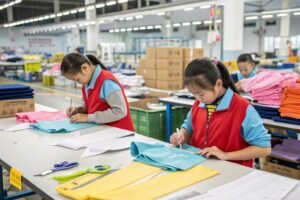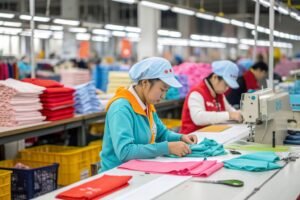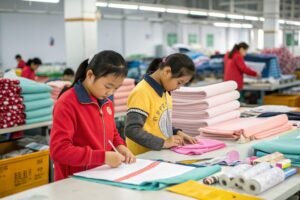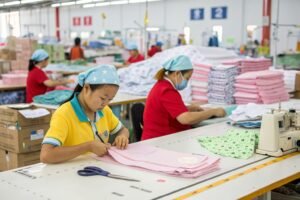
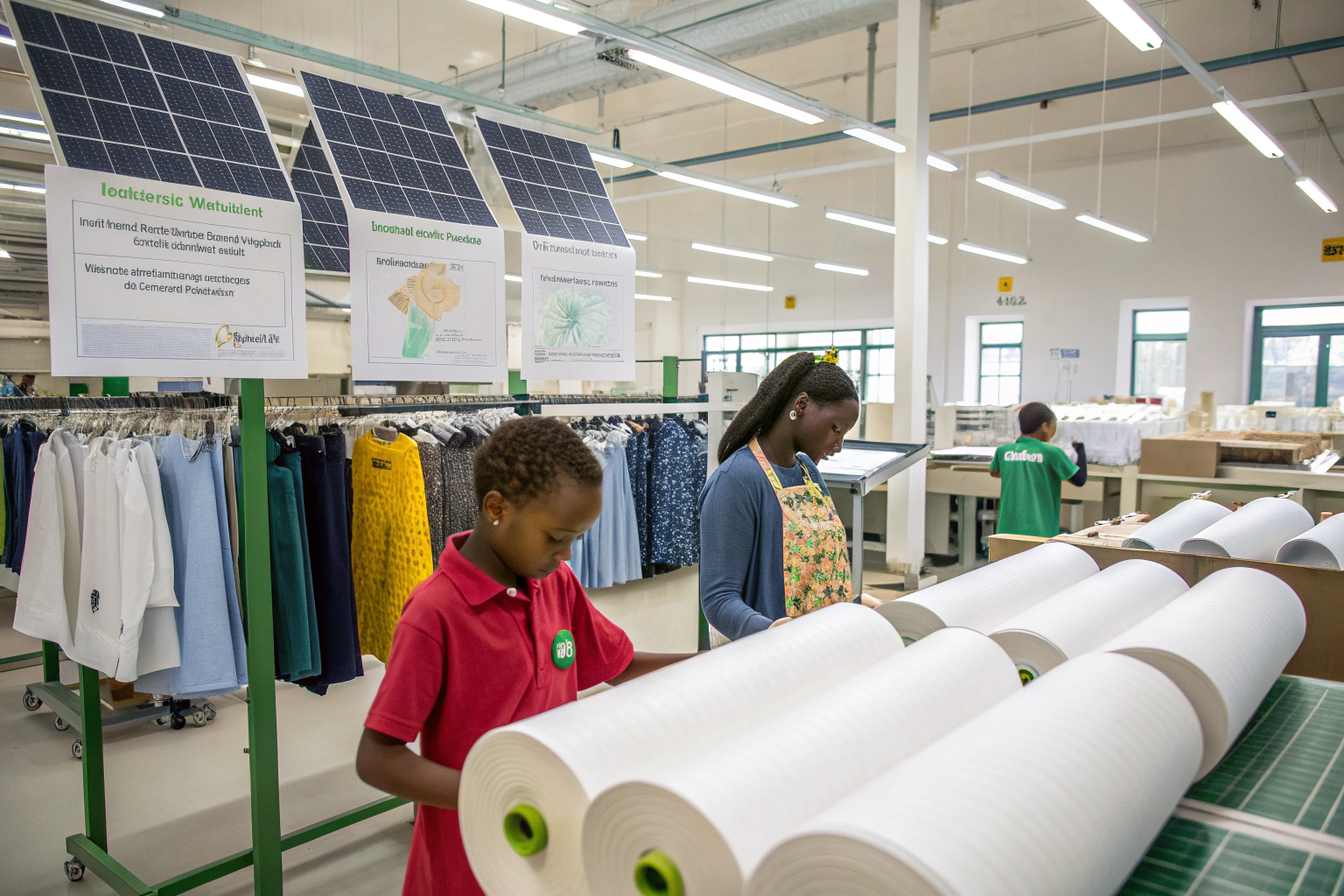
Finding the right manufacturing partner for eco-friendly children’s clothing requires specialized knowledge beyond conventional apparel sourcing. As manufacturers who have developed sustainable collections for forward-thinking brands, we understand the specific considerations for creating children’s wear that meets both environmental standards and practical family needs.
To find a manufacturer for kids eco friendly clothing, you need to verify certifications for organic materials and ethical production, assess their expertise in sustainable manufacturing processes, evaluate their transparency throughout the supply chain, and confirm their understanding of children’s wear safety standards within an eco-context. The ideal partner combines technical knowledge of sustainable textiles with experience creating durable, safe children’s clothing that withstands active use while maintaining its environmental integrity.
What Certifications Should You Verify for Authentic Eco-Friendly Production?
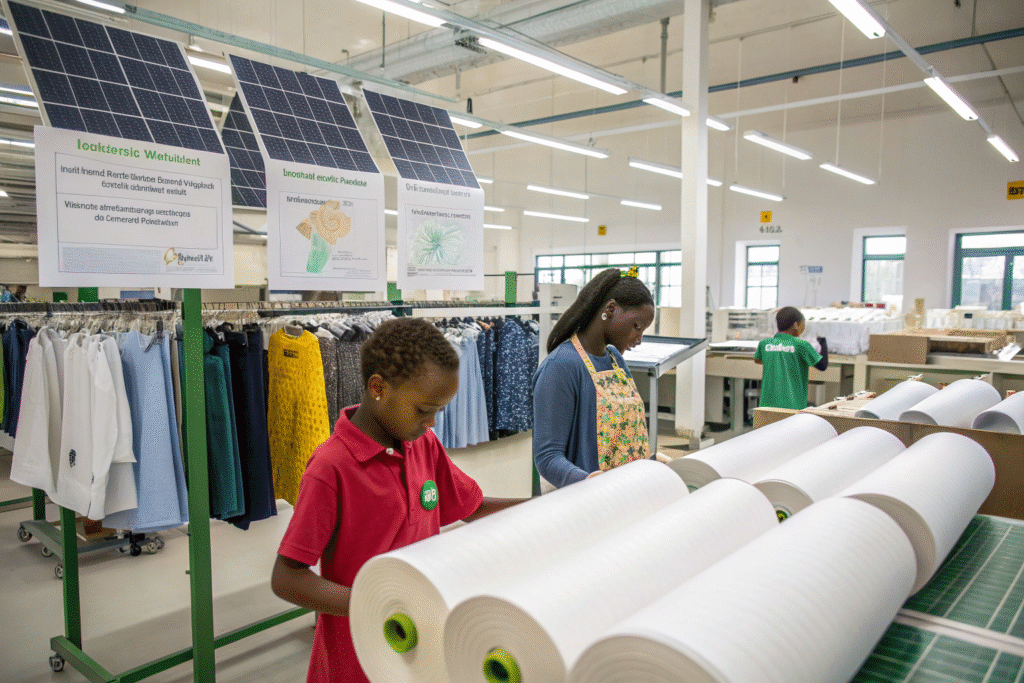
Genuine eco-friendly manufacturing requires verifiable certifications that confirm environmental claims from raw materials through final production. These certifications provide the transparency that discerning eco-conscious parents now expect.
The most credible manufacturers maintain current certifications covering organic materials, chemical management, ethical production, and environmental manufacturing processes. For children’s clothing specifically, these certifications should complement rather than replace standard children’s product safety certifications. The landscape of eco-certifications can be complex, but focusing on a few well-established standards ensures your manufacturer meets recognized environmental and social benchmarks.
Which Material Certifications Are Most Important for Kids Wear?
For children’s clothing, organic content certifications provide the foundation for eco-friendly claims. The Global Organic Textile Standard (GOTS) certification covers both organic fiber content and environmentally responsible processing. OEKO-TEX Standard 100 certification ensures textiles are free from harmful chemicals, particularly important for children’s sensitive skin. Additionally, Organic Content Standard (OCS) verification confirms the precise percentage of organic material in finished products. These certifications should be current and verifiable through the certification bodies’ databases, not merely claimed by the manufacturer without proof.
What Environmental Manufacturing Certifications Matter?
Beyond material certifications, manufacturing process certifications demonstrate a facility’s commitment to reducing environmental impact. Look for manufacturers with ISO 14001 environmental management systems certification, which indicates systematic approaches to reducing waste, energy, and water consumption. While less common in apparel manufacturing, LEED certification for facilities indicates significant investment in sustainable building and operations. For European markets, manufacturers with EU Ecolabel certification demonstrate compliance with strict European environmental standards throughout the production lifecycle.
How Can You Assess True Supply Chain Transparency?
Authentic eco-friendly manufacturing requires transparency throughout the supply chain, from raw material sourcing to final production. Superficial claims without verifiable traceability undermine consumer trust and brand credibility.
True transparency means your manufacturer can trace materials back to their origin, document processing methods, and provide evidence of ethical labor practices. This level of visibility requires sophisticated supply chain management and relationships with certified suppliers. For children’s eco-wear, this transparency is particularly important as parents increasingly investigate product origins and manufacturing conditions.
What Documentation Proves Supply Chain Integrity?
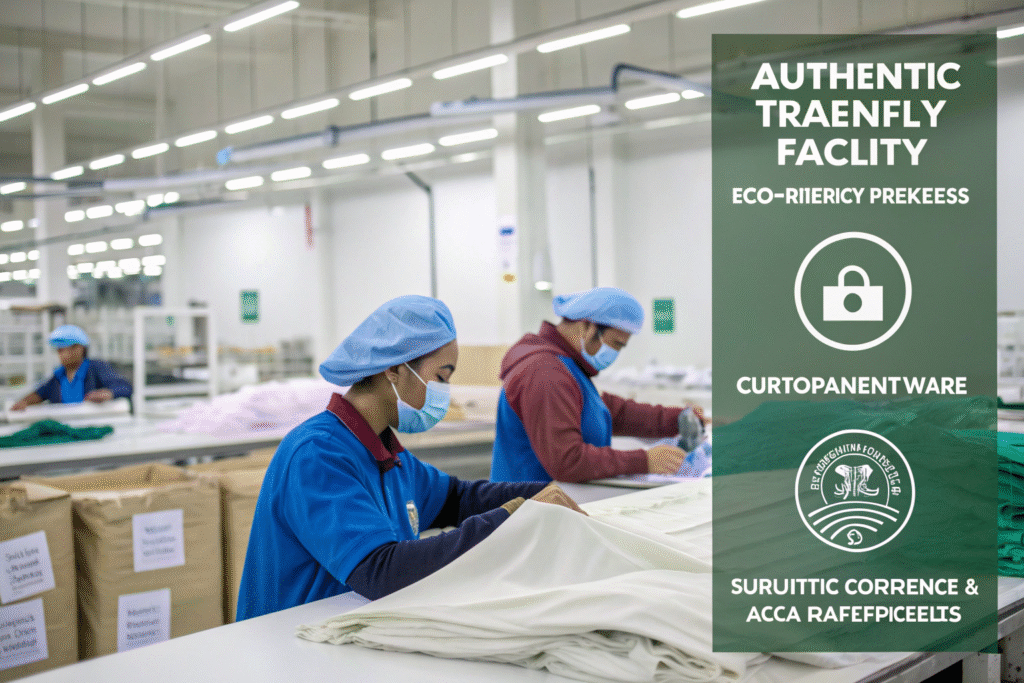
Comprehensive documentation should include certificates for each supply chain tier, transaction certificates between suppliers, and audit reports from independent verification bodies. The most transparent manufacturers provide chain of custody documentation that tracks materials from source to finished product. For organic claims, this means documentation from certified organic farms through ginning, spinning, knitting/weaving, dyeing, and final manufacturing. This paper trail ensures that organic content isn’t diluted or contaminated at any production stage, maintaining the integrity of your eco-friendly claims.
How Do You Verify Ethical Manufacturing Practices?
Ethical manufacturing extends beyond environmental concerns to include social responsibility. Verify that potential manufacturers can provide recent audit reports from recognized organizations like Fair Trade Certified, WRAP, or SA8000. These audits verify safe working conditions, fair wages, reasonable working hours, and no child or forced labor. For children’s clothing brands, ethical manufacturing resonates deeply with your target market of conscious parents who consider the human impact of their purchases alongside environmental considerations.
What Sustainable Production Expertise Is Essential?
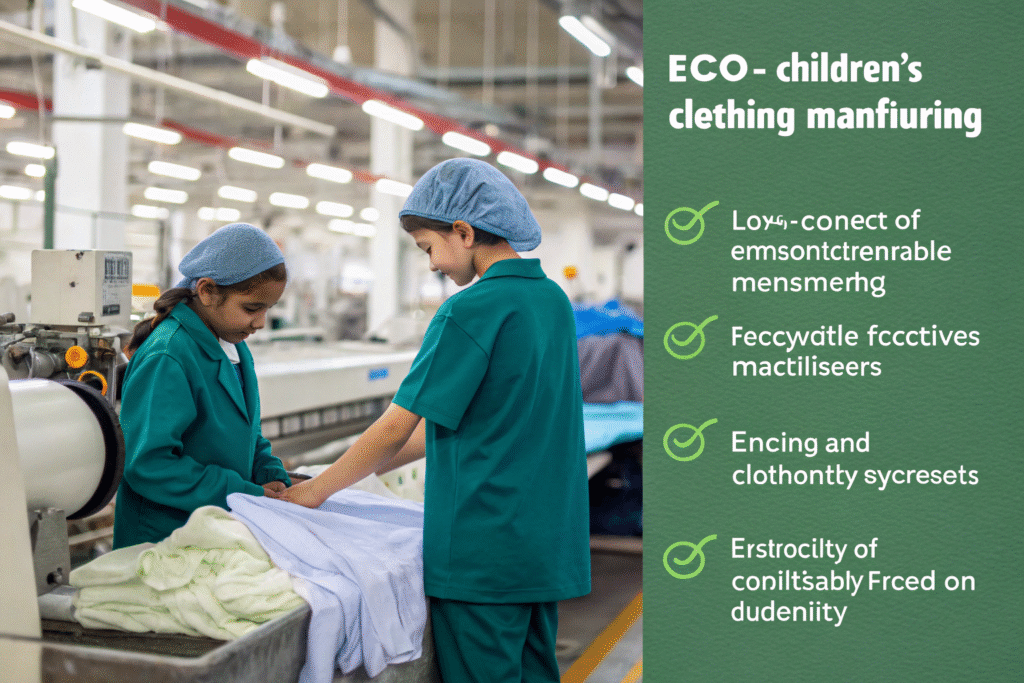
Eco-friendly children’s clothing manufacturing requires specialized technical knowledge that differs from conventional apparel production. The right partner understands how to work with sustainable materials while meeting children’s wear durability and safety requirements.
Sustainable production expertise encompasses knowledge of organic and recycled fabrics, low-impact dyeing and finishing processes, water and energy conservation techniques, and waste reduction strategies. For children’s clothing, this technical knowledge must integrate with understanding of children’s specific needs for durability, comfort, and safety.
What Technical Knowledge Do Sustainable Manufacturers Need?
Working with eco-friendly materials requires understanding their unique properties and processing requirements. Organic cotton often has different shrinkage characteristics and may require adjustments to stitching tensions. Recycled polyester behaves differently than virgin polyester during cutting and sewing. Manufacturers experienced with sustainable textiles understand these nuances and have optimized their processes accordingly. They should be knowledgeable about low-impact dyes, water-saving dye techniques, and energy-efficient drying methods that reduce environmental impact without compromising color fastness or quality.
How Do Eco-Manufacturers Approach Waste Reduction?
True eco-manufacturing implements comprehensive waste reduction strategies throughout production. This includes efficient pattern cutting to minimize fabric waste, recycling programs for textile scraps, and water recycling systems for dyeing and finishing. The most advanced facilities employ zero-waste manufacturing principles and may participate in take-back programs for their own production waste. For children’s wear, where small sizes naturally generate more cut-and-sew waste relative to fabric used, specialized waste reduction approaches are particularly important for minimizing environmental impact.
How Does Children’s Wear Specific Knowledge Impact Eco-Production?
Creating eco-friendly children’s clothing requires balancing sustainability with the practical realities of children’s use patterns, safety requirements, and growth considerations.
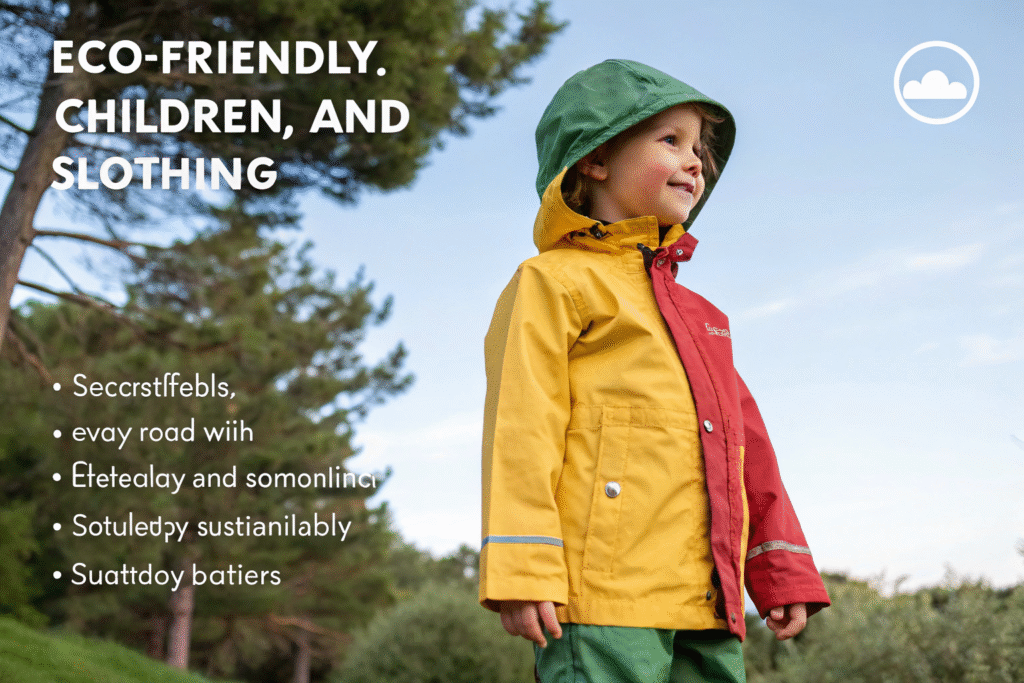
Children’s clothing faces unique challenges in eco-manufacturing, as durability requirements may conflict with certain sustainable material properties, and safety standards impose additional restrictions on materials and construction. The most successful sustainable children’s wear manufacturers understand these tensions and have developed solutions that don’t compromise either sustainability or functionality.
How Do Safety Standards Intersect with Sustainability?
Children’s product safety standards sometimes create challenges for eco-friendly manufacturing. For example, flame resistance requirements for sleepwear may conflict with preferences for natural, untreated fabrics. The Consumer Product Safety Commission provides specific guidelines that eco-manufacturers must navigate while maintaining their environmental principles. Experienced sustainable children’s wear manufacturers understand these regulations and have developed compliant solutions using safer flame retardants or design approaches that meet standards without compromising environmental values.
Why Must Eco-Friendly Children’s Wear Prioritize Durability?
Durability is an often-overlooked aspect of sustainability—clothing that lasts through multiple children has significantly lower environmental impact than garments that wear out quickly. Eco-manufacturers specializing in children’s wear understand how to combine sustainable materials with construction techniques that withstand active play, frequent washing, and potential hand-me-down use. According to extended product lifespan research, doubling a garment’s useful life can reduce its carbon footprint by 44%. This makes durability equally important as material selection in truly sustainable children’s clothing.
Conclusion
Finding the right manufacturer for kids eco-friendly clothing requires thorough verification of certifications, assessment of supply chain transparency, evaluation of sustainable production expertise, and confirmation of children’s wear specific knowledge. The ideal partner demonstrates authentic commitment to environmental and social responsibility while maintaining the practical quality and safety standards that children’s clothing requires.
The growing demand for sustainable children’s wear means manufacturers are increasingly making environmental claims, making due diligence more important than ever. If you’re developing an eco-friendly children’s clothing line and want to partner with a manufacturer who combines genuine sustainability expertise with children’s wear specialization, contact our Business Director, Elaine, at elaine@fumaoclothing.com. Let’s discuss how we can help you create beautiful, sustainable clothing that meets the highest standards of environmental responsibility and practical performance for children and families.