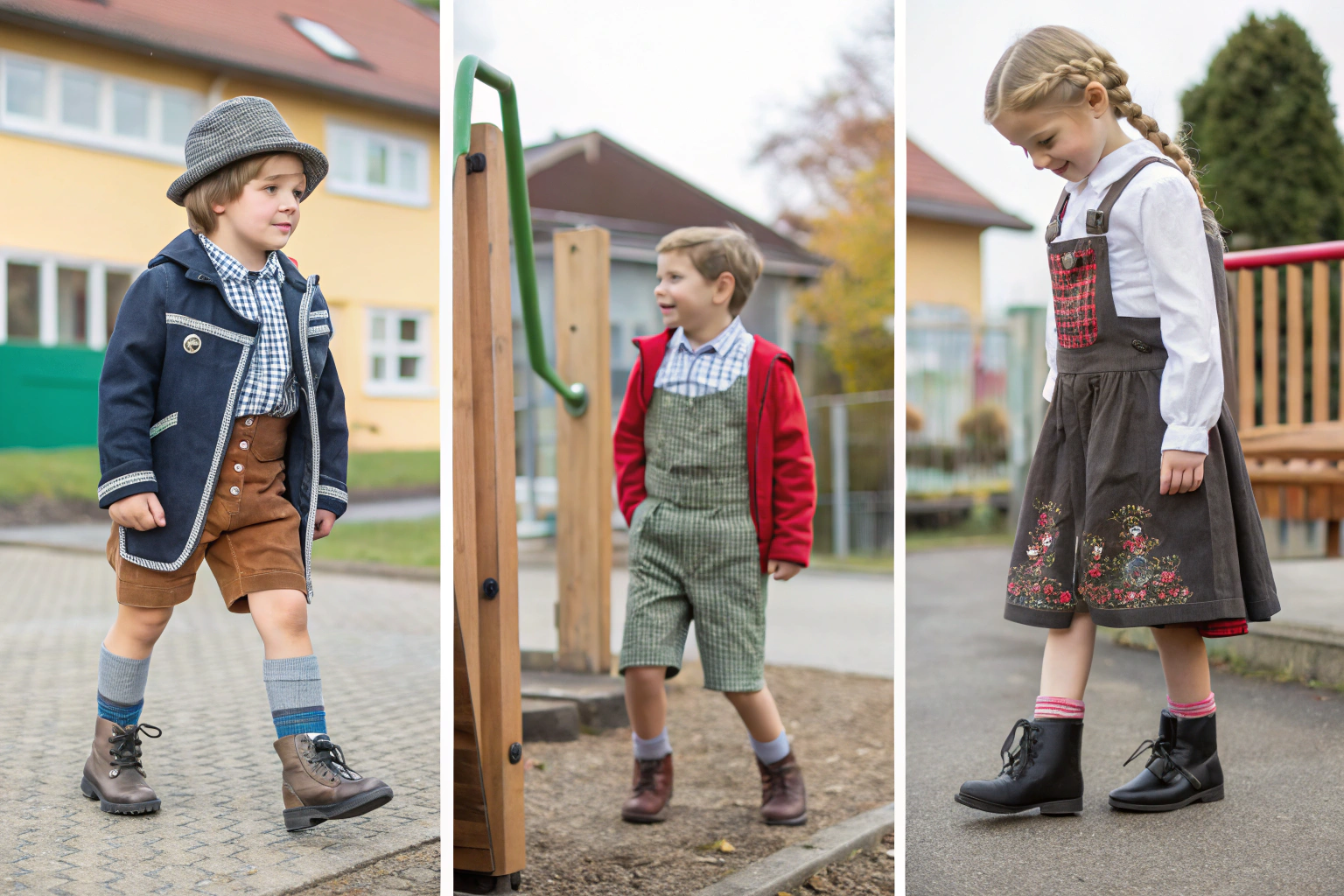
The German children’s wear market represents one of Europe’s most sophisticated and distinctive segments, characterized by unique aesthetic preferences, strong quality consciousness, and specific cultural values that influence purchasing decisions. Understanding these preferences is essential for any brand seeking to succeed in this lucrative but particular market.
The most popular kids clothing styles in Germany emphasize practical functionality, sustainable materials, understated color palettes, exceptional durability, and versatile designs that transition seamlessly between kindergarten, school, and leisure activities. German parents prioritize longevity, safety, and everyday usability over fast-fashion trends and conspicuous branding.
German children’s fashion reflects broader cultural values of practicality, environmental consciousness, and quality investment. The market favors clothing that supports children’s independence, withstands active outdoor play, and maintains its appearance through multiple siblings. This distinctive approach has created styles that balance traditional craftsmanship with modern functionality. Let’s explore the specific style preferences that define the German children’s wear market.
Why do practical and functional designs dominate the market?
German parents approach children’s clothing with remarkable pragmatism, prioritizing features that simplify daily routines, support children’s developing independence, and withstand the rigors of active play. This practical orientation shapes every aspect of clothing selection from fabric choices to closure systems.
Practical and functional designs dominate the German market because they align with cultural values of efficiency and independence, address the realities of Germany’s varied climate, support the country’s extensive outdoor culture, and accommodate the practical needs of both parents and educational institutions. Functionality never sacrifices style but rather defines it in the German context.

What specific functional features do German parents value?
German parents consistently prefer weather-appropriate designs that include reinforced knees on pants, adjustable waistbands for growth accommodation, storm flaps on jackets for wind protection, and practical pocket placements for storing treasures and necessities. The popularity of labels like Engel and Sterntaler demonstrates the market’s appreciation for thoughtful details like magnetic closures that small hands can manipulate independently, integrated mittens in jackets, and conversion systems that transform pants into shorts as temperatures change. These features represent solutions to universal parenting challenges rather than mere decorative elements.
How does the German climate influence clothing functionality?
Germany’s variable weather patterns necessitate clothing that adapts to sudden changes, making layering systems, removable linings, and versatile outerwear particularly valued. The cultural emphasis on daily outdoor time regardless of weather ("There’s no bad weather, only inappropriate clothing") drives demand for truly waterproof rather than water-resistant materials, breathable layers that prevent overheating during active play, and quick-drying fabrics that accommodate unexpected rain showers. This climate responsiveness extends to sun protection with integrated UPF features becoming standard in summer collections.
How does sustainability influence German children’s fashion choices?
Environmental consciousness represents a fundamental purchasing criterion for German families, transcending trend considerations to become a non-negotiable aspect of responsible parenting. Sustainable practices influence everything from material selection to packaging.
Sustainability influences German children’s fashion choices through strong preference for organic certifications, expectation of supply chain transparency, value placed on durability and longevity, and cultural appreciation for hand-me-down traditions. Ecological considerations routinely override price sensitivity in this market.

What certifications do German parents specifically look for?
The GOTS (Global Organic Textile Standard) certification has become virtually mandatory for success in the German mid-to-premium children’s wear market, with parents actively checking labels for this verification. Similarly, OEKO-TEX Standard 100 certification provides the chemical safety assurance that German parents expect as a baseline. Brands lacking these certifications struggle to gain shelf space in German retailers or consumer trust. The thoroughness of German certification systems means parents have been educated to look for specific, verifiable standards rather than vague "eco-friendly" marketing claims.
How does longevity align with German sustainability values?
The German concept of "Nachhaltigkeit" (sustainability) encompasses product longevity, making clothing that withstands multiple children particularly valued. Reinforced seams, quality zippers, colorfast dyes, and fabrics that maintain their appearance after repeated washing all contribute to the extended lifespan that German parents expect. This aligns with cultural traditions of clothing being passed between siblings and even generations, with quality garments often becoming family treasures. Brands that emphasize repairability and replacement part availability gain particular appreciation in this market.
What role do color palettes and patterns play in German preferences?
German children’s fashion demonstrates a distinctive aesthetic that balances cheerfulness with sophistication, favoring subtlety over exuberance in both color stories and pattern applications. This refined approach creates clothing that photographs beautifully while maintaining child-appropriate appeal.
Color palettes and patterns in German children’s wear favor earthy naturals, muted primaries, sophisticated pastels, and nature-inspired prints that avoid commercial character licensing while creating versatile, mix-and-match wardrobes. The aesthetic emphasizes coordination without matching.

Which color families dominate German children’s collections?
Earthy tones like forest greens, earthy browns, and stone grays form the foundation of German children’s palettes, complemented by muted primary colors that feel sophisticated rather than childish. While bright colors appear in accents and playwear, the overall aesthetic leans toward harmonious, nature-derived palettes that work well together. This reflects the German design principle of "less but better" – fewer, more carefully chosen colors that create cohesive wardrobes. The popularity of brands like Duns Sweden and Namee demonstrates the market’s appreciation for this restrained color approach.
How do German patterns differ from other markets?
German children’s patterns typically feature nature-inspired motifs like subtle forest animals, botanical prints, geometric interpretations of natural forms, and abstract designs rather than licensed characters or overtly commercial themes. The scale tends toward smaller, more refined patterns that create visual interest without dominating an outfit. This approach aligns with German educational values that encourage appreciation of nature and subtle aesthetic development rather than branding recognition. Even when patterns feature animals or playful elements, they maintain a sophisticated, illustration-quality aesthetic.
Why does quality and durability outweigh fast fashion trends?
The German market demonstrates remarkable resistance to disposable fashion trends, instead valuing clothing investments that deliver long-term performance and maintain their appearance through years of active use. This quality focus creates different purchasing patterns than trend-driven markets.
Quality and durability outweigh fast fashion trends in Germany due to cultural appreciation for craftsmanship, economic value calculations that favor long-term use, environmental consciousness that rejects disposability, and practical needs for clothing that survives rigorous testing by active children. Quality becomes the primary purchasing criterion.

What quality indicators do German parents prioritize?
German parents have become educated consumers who examine stitching density, fabric weight, seam finishing, and component quality with remarkable discernment. Brands like Finkid and Leni Wild have built their reputation on visible quality elements like flatlock seams that prevent chafing, bartacking at stress points, and fabric weights that indicate durability. The presence of German testing certifications like the GS mark (Geprüfte Sicherheit) provides independent verification of safety and quality standards that parents trust more than brand claims.
How does the German concept of "Wertigkeit" influence purchasing?
The German concept of "Wertigkeit" (valueworthiness) encompasses both quality and value, leading parents to calculate cost-per-wear rather than just purchase price. This perspective justifies higher initial investments in brands like Sterntaler or Engel that are known to survive multiple children while maintaining their appearance and functionality. The thriving secondhand market for quality German children’s brands further reinforces this value calculation, as premium brands maintain significant resale value. This creates a virtuous cycle where quality is continually rewarded in the marketplace.
Conclusion
The German children’s wear market offers valuable insights into how cultural values, practical needs, and environmental consciousness shape fashion preferences in one of Europe’s most sophisticated markets. The emphasis on functionality, sustainability, refined aesthetics, and exceptional quality creates distinctive style preferences that balance child-appropriate appeal with parental practicality.
Understanding these preferences requires looking beyond superficial trends to appreciate the deeper values that drive German purchasing decisions. Brands that successfully align with these values—emphasizing verifiable sustainability, thoughtful functionality, understated aesthetics, and proven durability—find a loyal customer base willing to invest in quality that delivers long-term value.
Ready to develop children’s collections for the discerning German market? Our manufacturing expertise includes creating the high-quality, functional, and sustainable clothing that German parents value. Contact our Business Director, Elaine, at elaine@fumaoclothing.com to discuss how we can help you create collections that resonate with German families.