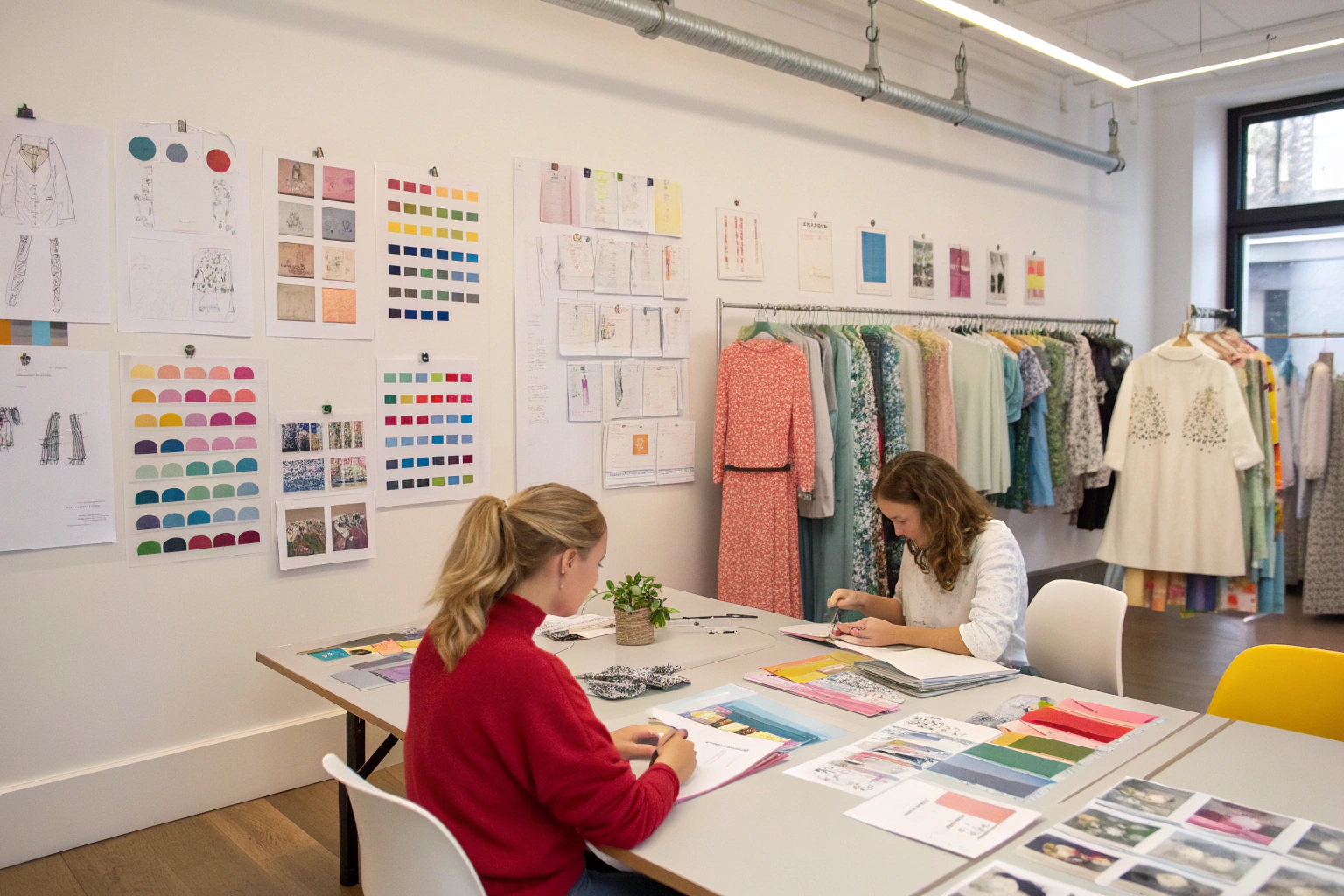
In today’s competitive children’s wear market, a compelling collection story transforms ordinary clothing into meaningful experiences that resonate with both children and parents. A well-crafted narrative provides the emotional and conceptual framework that unifies individual pieces into a cohesive whole, creating collections that feel intentional, engaging, and memorable rather than just random assortments of garments.
To create a cohesive kids wear collection story, you must develop a central theme that connects emotionally, maintain consistent visual elements across all pieces, ensure the story translates to wearable clothing, extend the narrative through marketing, and align the story with your brand values and target audience’s aspirations. This holistic approach transforms separate items into a unified collection with purpose and personality.
The most successful children’s collections tell stories that spark imagination while addressing practical needs. They balance fantasy and functionality, creating worlds that children want to inhabit and clothing that parents feel good about purchasing. A strong narrative provides the creative direction that informs every decision from color palette and fabric selection to styling and presentation. Let’s explore how to build these compelling collection stories from concept to completion.
How to develop a central theme that connects emotionally?
The foundation of any cohesive collection is a central theme that provides emotional resonance and creative direction. This theme should be broad enough to inspire multiple interpretations yet specific enough to create a distinctive point of view that sets your collection apart.
Develop a central theme that connects emotionally by drawing inspiration from childhood experiences, incorporating elements of fantasy and adventure, addressing developmental stages, and creating characters or worlds that children can identify with and parents appreciate. The strongest themes tap into universal childhood experiences while offering fresh perspectives.

What sources inspire relatable collection themes?
Successful themes often emerge from childhood nostalgia that resonates with parents, nature exploration that encourages outdoor play, imaginative scenarios like "space explorer" or "undersea adventurer," or educational concepts like colors, numbers, or seasons. The key is choosing themes that allow for both literal and interpretive applications across different garments. For example, our "Garden Explorer" collection included literal floral prints but also textural elements mimicking bark and leaves, color stories transitioning from soil browns to blossom pinks, and functional details like extra pockets for "found treasures."
How can themes address developmental needs?
The most effective collection themes align with specific child development stages, creating natural connections to how children actually experience the world. A collection for toddlers might focus on "First Adventures" with clothing that supports emerging independence through easy fasteners and durable fabrics. For preschoolers, "Imagination Heroes" could feature capes, masks, and clothing that transforms through reversible elements or adjustable components. This developmental alignment ensures the story feels authentic rather than arbitrary, addressing both emotional and practical needs simultaneously.
How to maintain visual consistency across the collection?
Visual consistency transforms separate pieces into a unified collection that tells a coherent story. This involves strategic repetition of key elements that create recognition and harmony while allowing for variation that maintains interest.
Maintain visual consistency across the collection through a coordinated color palette that appears across multiple pieces, repeating signature prints in different applications, using consistent trim details throughout, and establishing proportional relationships between garments. These visual threads create family resemblance between items.

What role does color strategy play in cohesion?
A well-designed color palette typically includes 3-5 core colors that appear across multiple pieces, 2-3 accent colors for variety, and neutral foundations that ground the collection. This strategic color distribution creates visual harmony while allowing for distinct groupings within the collection. For our "Ocean Explorer" collection, we used navy and sand as foundation neutrals, seafoam and coral as core colors, and bright yellow as an accent—ensuring any two pieces from the collection worked together while each maintained its own character.
How can pattern deployment strengthen collection identity?
Strategic pattern management involves creating a hierarchy with a hero print that appears in multiple colorways, supporting patterns that complement without competing, and coordinating solids that reference colors from the prints. This approach creates diversity without chaos. We typically develop one signature print that becomes the collection identifier, then create smaller-scale coordinates and textural solids that reference elements from the hero print. This creates immediate recognition while providing styling flexibility.
How to ensure the story translates to wearable clothing?
The most beautiful collection story fails if it doesn’t result in clothing that children want to wear and parents want to buy. The narrative must enhance rather than overwhelm the functional reality of children’s clothing.
Ensure the story translates to wearable clothing by designing pieces that work for real activities, incorporating story elements subtly through details rather than obvious graphics, maintaining practical considerations like ease of dressing and care, and creating emotional connections through wearable features. The story should emerge through wearing, not just viewing.

How can narrative elements enhance functionality?
Story elements should serve practical purposes rather than existing as mere decoration. In our "Urban Explorer" collection, map prints included actual neighborhood landmarks, jacket linings featured interactive "adventure checklists," and backpack charms doubled as whistles for safety. This approach transforms narrative elements from superficial graphics into functional components that children engage with during wear. The story becomes something they experience rather than just observe.
What balance ensures commercial viability?
While creative themes inspire beautiful collections, commercial success requires balancing fantasy with practical parenting concerns like stain resistance, ease of care, durability, and value. The most successful collections incorporate storytelling through details that don’t compromise functionality—contrast stitching that suggests adventure rather than bulky embellishments that snag, thematic prints that don’t show stains prominently, and color stories that coordinate across pieces to extend wardrobe utility. This balance ensures the collection appeals to both the child who wears it and the parent who purchases it.
How to extend the narrative through marketing and presentation?
A collection story reaches its full potential when consistently expressed across all customer touchpoints. From lookbooks to retail displays, every presentation opportunity should reinforce the central narrative.
Extend the narrative through marketing and presentation by developing photoshoot concepts that bring the story to life, creating copy that speaks to both children and parents, designing packaging that continues the theme, and training retail staff to tell the collection story effectively. This consistent storytelling transforms marketing from promotion to experience.

How can photoshoots amplify collection stories?
Photoshoots should create believable worlds where children naturally inhabit the collection story. Rather than simply modeling clothes, children should be shown engaging in activities that bring the theme to life—exploring, discovering, pretending, or creating. For our "Backyard Scientist" collection, we photographed children conducting simple experiments, examining nature, and recording observations in notebooks. This approach showed the clothing in action while demonstrating its suitability for curious, active kids who might actually wear it.
What copywriting approaches engage both audiences?
Effective collection storytelling requires dual-audience copywriting that speaks to children’s imaginations while addressing parents’ practical concerns. Product descriptions might begin with magical language that captures a child’s perspective ("Discover hidden forest secrets in pockets made for treasure") followed by practical details for parents ("Reinforced knees withstand hours of exploration"). This approach acknowledges that both children and parents participate in purchasing decisions, each with different priorities and communication styles.
How to align collection stories with brand identity?
While individual collections may explore different themes, they should all feel like natural expressions of your brand’s core identity. This alignment ensures long-term brand recognition and customer loyalty across multiple seasons.
Align collection stories with brand identity by ensuring themes reflect core brand values, maintaining consistent design signatures across collections, developing stories that fit your brand’s voice and aesthetic, and creating narrative continuity between seasons when appropriate. This strategic alignment builds brand equity rather than just moving product.

How can collections express brand values consistently?
If sustainability is a core brand value, collection stories might focus on environmental themes like "Ocean Protectors" or "Forest Guardians" that naturally incorporate eco-friendly materials and manufacturing. For brands emphasizing educational value, themes might explore concepts like "Color Lab" or "Number Garden" that encourage learning through play. This values alignment ensures that each collection advances your brand mission rather than just chasing trends, building authentic connections with families who share your values.
What design signatures create brand recognition?
Maintaining consistent design elements across collections—whether specific collar treatments, characteristic color combinations, or signature prints—creates brand recognition regardless of the specific seasonal theme. These design signatures become your brand’s visual language, ensuring that customers can identify your products even as stories change. We maintain three consistent elements across all collections: our signature color (a specific shade of coral), our custom-developed font for graphics, and our characteristic pocket shapes. These anchors provide continuity while allowing thematic exploration.
Conclusion
Creating a cohesive kids wear collection story requires balancing creative imagination with commercial practicality, emotional appeal with functional design, and seasonal novelty with brand consistency. The most successful collections tell stories that children want to inhabit and parents want to enable—narratives that spark imagination while addressing real-world needs.
A well-executed collection story transforms clothing from mere covering into meaningful experience, building emotional connections that transcend seasonal trends and create lasting brand loyalty. By developing compelling themes, maintaining visual consistency, ensuring wearability, extending narratives through marketing, and aligning stories with brand identity, you can create collections that resonate deeply with both children and their parents.
Ready to develop compelling collection stories that bring your kids wear designs to life? Our design and manufacturing expertise includes helping brands create cohesive, story-driven collections that connect with customers. Contact our Business Director, Elaine, at elaine@fumaoclothing.com to discuss how we can help you build memorable collections with strong narratives.