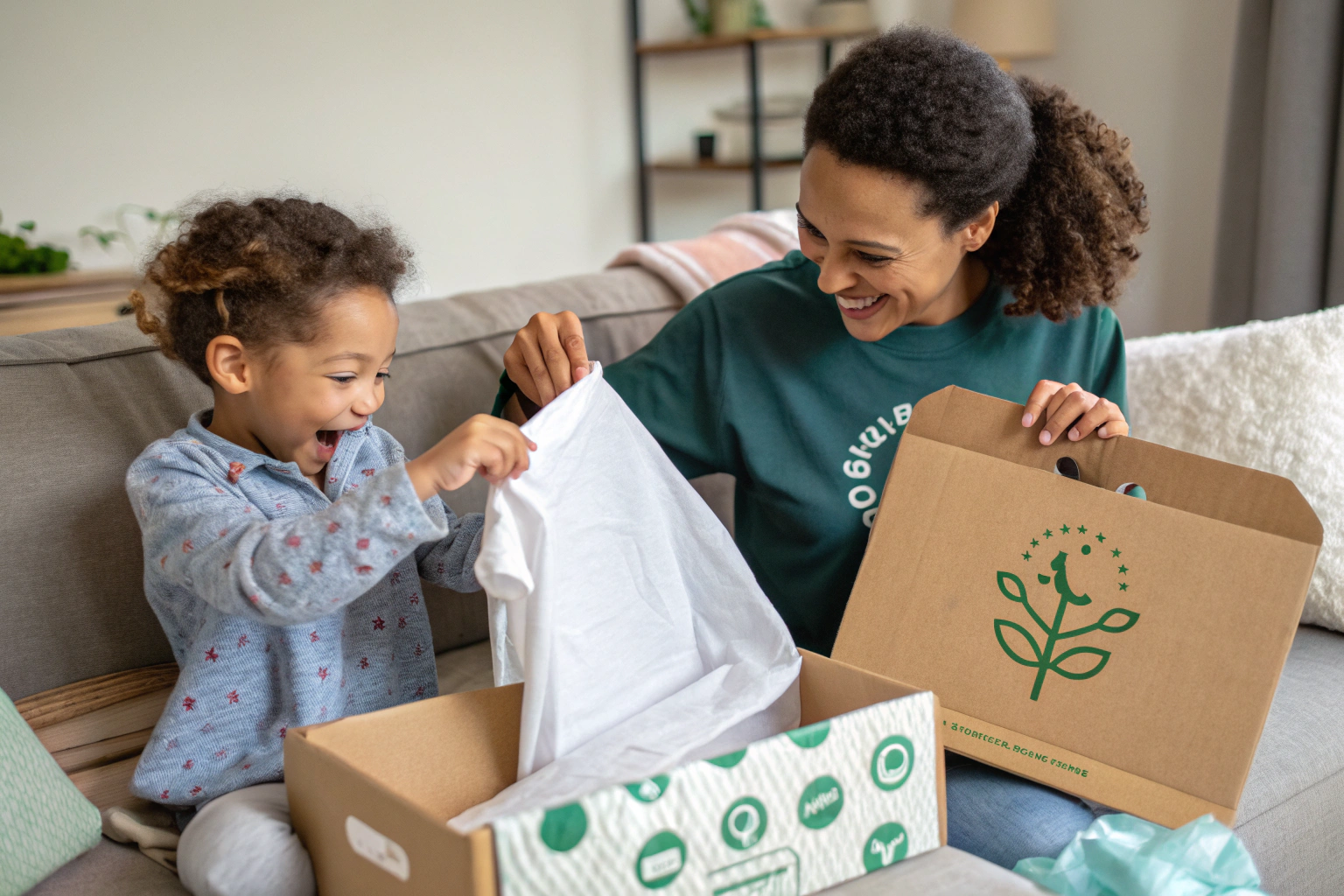
The unboxing experience has become a crucial touchpoint in building brand loyalty and customer satisfaction. For children’s clothing brands, packaging serves multiple purposes beyond mere protection—it must delight both children and parents while aligning with modern values around sustainability and practicality. Getting your packaging strategy right can transform a simple purchase into a memorable brand experience that drives repeat business.
The best practices for kids clothing packaging include using eco-friendly materials, creating engaging unboxing experiences, ensuring practical functionality, maintaining brand consistency, and incorporating educational elements that add value beyond the product itself. Exceptional packaging balances visual appeal with environmental responsibility while solving real problems for parents.
In an era where unboxing videos dominate social media and environmental consciousness continues to grow, your packaging choices communicate your brand values before customers even see the clothing inside. Let’s explore how to create packaging that enhances your brand reputation and customer satisfaction.
Why is sustainable packaging essential for modern brands?
Eco-conscious packaging has transitioned from a niche preference to a mainstream expectation, especially among millennial parents who prioritize environmental responsibility. Sustainable packaging demonstrates your brand’s commitment to protecting the planet that today’s children will inherit, creating alignment with family values that extend beyond the product itself.
Sustainable packaging is essential because it reduces environmental impact, aligns with parent values, minimizes waste, and positions your brand as socially responsible in a competitive market. Parents increasingly make purchasing decisions based on a brand’s environmental credentials, making sustainable packaging a business imperative rather than just an ethical choice.

What eco-friendly materials resonate with parents?
The most effective sustainable materials include recycled cardboard boxes, FSC-certified paper, plant-based cellulose wraps, and cornstarch-based packing peanuts that dissolve in water. These materials provide the protection needed for shipping while demonstrating environmental responsibility. Through customer feedback, we’ve found that parents particularly appreciate compostable packaging materials that can be easily disposed of without guilt, as well as packaging that clearly communicates its eco-friendly attributes through certifications and clear recycling instructions.
How can packaging reduce environmental impact?
Beyond material choices, reducing environmental impact involves minimizing package size to decrease shipping emissions, eliminating unnecessary components, and designing for reuse or easy recycling. We’ve optimized our packaging to use minimal material while maintaining product protection, reducing both waste and shipping costs. Additionally, we include instructions for repurposing packaging as storage solutions or craft projects, extending its lifecycle and providing additional value to families.
How can packaging create engaging unboxing experiences?
The moment of opening a package has become a sensory experience that can generate excitement, social sharing, and emotional connection with your brand. For children’s clothing, this experience should delight both the child recipient and the parent who made the purchase, creating moments worth sharing and remembering.
Packaging creates engaging unboxing experiences through interactive elements, surprise components, sensory appeal, and personalized touches that transform routine unpacking into a memorable event. A well-designed unboxing sequence can generate organic social media content and strengthen emotional bonds with your brand.

What interactive elements delight children and parents?
Successful interactive packaging includes elements like tear strips with playful messages, boxes that transform into toys or storage containers, hidden surprises like stickers or temporary tattoos, and puzzle-like opening mechanisms. These features create anticipation and engagement beyond the clothing itself. We’ve found that including reusable components like coloring book-style boxes or puzzle-piece packaging that children can play with after unpacking significantly enhances perceived value and creates positive brand associations.
How does sensory appeal enhance the experience?
Engaging multiple senses through textured papers, subtle scents, or satisfying opening sounds creates a more memorable unboxing experience. For children’s products, consider crinkle-free tissue paper that’s fun to touch, boxes that make a satisfying "whoosh" when opened, or subtle child-safe scents. These sensory elements make the experience more immersive and memorable, particularly for young children who explore the world through their senses. The key is subtlety—sensory elements should enhance rather than overwhelm the experience.
What practical considerations ensure functional packaging?
While aesthetics and sustainability are important, packaging must ultimately protect the product during transit, facilitate easy storage, and provide practical information. Functional packaging solves real problems for parents, making their lives easier rather than creating additional complications.
Practical packaging considerations include durable protection during shipping, easy opening mechanisms, clear size and care labeling, reusable storage features, and space-efficient design that simplifies organization for parents. Functionality demonstrates that you understand and respect your customers’ time and practical needs.

How can packaging protect garments during shipping?
Effective protection involves using acid-free tissue paper to prevent color transfer, secure but easy-to-remove fasteners that don’t damage fabrics, water-resistant barriers for weather protection, and adequate cushioning to prevent crushing. We’ve developed protective packaging protocols that ensure garments arrive in perfect condition without excessive material use. This includes folding techniques that minimize creasing and compartmentalized boxes that prevent items from shifting during transit, reducing the need for ironing or steaming upon arrival.
What storage solutions benefit busy parents?
Packaging that converts to practical storage helps parents organize children’s clothing and extends the packaging’s useful life. This includes boxes with size-labeled ends for easy closet organization, drawstring bags for laundry or travel, and flat-pack designs that store compactly for future use. These storage solutions address common pain points for parents managing rapidly changing children’s wardrobes, demonstrating that your brand understands their daily challenges beyond just providing clothing.
How does packaging maintain brand consistency?
Packaging represents a significant touchpoint for communicating brand identity and values. Consistent packaging across all orders reinforces brand recognition, builds trust through reliability, and ensures that the customer experience aligns with your brand promise at every interaction.
Packaging maintains brand consistency through cohesive color schemes, logo application, typography choices, material quality, and messaging tone that align with your overall brand identity across all customer touchpoints. Consistent packaging creates a professional, reliable impression that builds confidence in your brand.

What elements create cohesive brand recognition?
Key elements include signature colors that appear across all packaging components, consistent logo placement and sizing, recognizable typography, and quality standards that reflect your brand positioning. We maintain brand consistency by using the same palette of recycled materials, standardized logo treatment, and familiar opening sequences across all our packaging. This consistency means customers immediately recognize our packages when they arrive, building anticipation based on previous positive experiences.
How can packaging communicate brand values effectively?
Beyond visual elements, packaging communicates values through material choices (eco-friendly vs. luxury), messaging content (educational vs. playful), and functional design (practical vs. experiential). Every aspect should reflect your brand personality and core values. For children’s brands focused on sustainability, this means using visibly recycled materials and explaining your environmental commitments. For educational brands, packaging might include learning activities or developmental information that extends your brand’s mission.
How can educational packaging add value?
Packaging represents valuable real estate for delivering content that enhances the product experience and provides additional value to families. Educational elements can extend engagement beyond the initial unboxing, support child development, and provide helpful information that makes your products more useful.
Educational packaging adds value by including developmentally appropriate activities, care and size information, styling suggestions, safety reminders, or content that supports learning through play. This additional content demonstrates your understanding of children’s needs and your commitment to supporting families beyond just selling products.

What educational content benefits parents and children?
Valuable content includes age-appropriate activity suggestions using the packaging materials, developmental information related to dressing skills, care instructions presented in clear visual formats, and safety information about clothing features. We include developmental activity cards that suggest games and learning opportunities using our packaging, transforming disposal into engagement. For parents, we provide detailed care instructions and size conversion charts that simplify clothing management.
How can packaging support developmental milestones?
Packaging can be designed to support specific developmental stages, such as including texture exploration elements for infants, simple dressing practice guides for toddlers, or independent dressing encouragement for preschoolers. This developmental alignment shows parents that you understand their child’s growth journey and are committed to supporting it. For example, packaging for toddler clothes might include tips for encouraging self-dressing skills, while infant clothing packaging could suggest sensory play using the different packaging materials.
Conclusion
Exceptional kids clothing packaging balances environmental responsibility, engaging experiences, practical functionality, brand consistency, and educational value. By viewing packaging as an integral part of your brand experience rather than just a protective necessity, you can create memorable moments that build loyalty and differentiate your products in a competitive market.
Ready to develop packaging that enhances your kids clothing brand and delights your customers? Our manufacturing expertise includes creating customized, sustainable packaging solutions that align with your brand values and practical requirements. Contact our Business Director, Elaine, at elaine@fumaoclothing.com to discuss how we can help you create packaging that makes your products stand out.