Entering the kids apparel market offers huge potential, but standing out requires more than cute designs. Many brands struggle with competition and low margins. Success demands strategic planning, reliable manufacturing, and deep customer understanding from the start.
The most effective strategy is partnering with a full-package manufacturer offering integrated design-to-delivery services. This ensures superior quality, unique styles, and reliable on-time shipping, directly addressing common pain points like communication gaps and delays.
This guide provides a clear blueprint through four essential pillars: building a unique brand identity, sourcing quality materials, implementing rigorous quality control, and mastering logistics for the US market.
How to develop a unique kids wear brand identity?
A strong brand identity creates emotional connection and loyalty, allowing premium pricing. It’s your complete story and feeling that resonates with both children and parents, making your brand memorable in a crowded market.

What defines a successful kids clothing brand?
Success hinges on three core elements: precise target audience definition, authentic brand story, and consistent visual design. Knowing whether you’re serving newborns, toddlers, or school-aged children with sustainable organic cotton or performance activewear determines everything. Professional fashion design ensures visual cohesion across logos, colors, and typography that appeals to parents while capturing children’s imaginations.
How does market research create advantage?
Thorough competitor analysis and parent interviews reveal market gaps and frustrations. Studying trends on platforms like Instagram and Pinterest informs designs, pricing, and messaging that meet real needs. This research-based approach ensures your brand fills genuine market voids rather than adding to market noise.
How to source quality materials for children’s apparel?
Material selection directly impacts comfort, durability, and safety—key concerns for savvy parents. The right fabrics build brand reputation through gentle comfort and functional performance.

Which fabric certifications build trust?
Oeko-Tex Standard 100 and GOTS (Global Organic Textile Standard) provide crucial safety verification. Oeko-Tex ensures freedom from harmful substances, while GOTS certifies organic materials produced under strict environmental and social criteria. These certifications become powerful marketing tools that demonstrate commitment to children’s wellbeing and planetary health.
What makes a reliable fabric supplier?
True partners emerge through thorough vetting at international fabric and textile trade shows and B2B platforms. Reliability comes from transparent quality control processes, sample testing, and clear documentation. The right supplier communicates openly and provides all necessary safety and quality certifications.
How to ensure quality control in kids wear manufacturing?
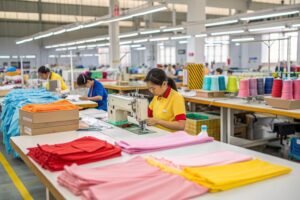
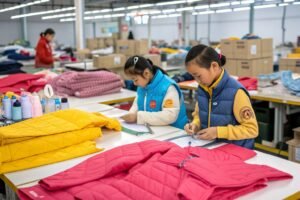
Consistent quality forms the foundation of customer satisfaction and repeat business. For children’s clothing that withstands rough play and frequent washing, rigorous inspection processes prevent returns and protect brand reputation.

Where should quality checkpoints occur?
A multi-stage approach catches issues early:
| Production Stage | Key Quality Checkpoints |
|---|---|
| Pre-Production | Fabric testing, lab dip approval, fit samples |
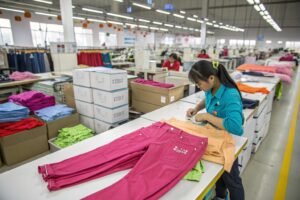
| During Production | Cutting accuracy, stitching quality, assembly |
| Final Inspection | Statistical sampling using Acceptable Quality Limit standards |
How to optimize manufacturer relationships?
Clear communication through detailed tech packs and regular updates prevents misunderstandings. Building direct relationships with contacts like our Business Director Elaine ensures proactive management of production timelines. Partner-oriented manufacturers offer solutions and maintain transparency about challenges.
How to master logistics for your US kids clothing brand?
Efficient logistics ensure products reach customers during selling seasons, preventing lost sales and discounting. Smooth factory-to-warehouse flow represents your final competitive edge.

Why choose DDP shipping?
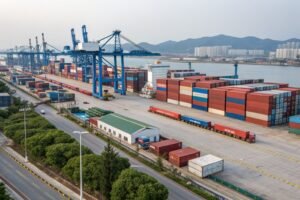
DDP (Delivered Duty Paid) simplifies international trade by having suppliers handle export formalities, freight, customs clearance, and final delivery. This provides cost predictability, eliminates surprise fees, and leverages manufacturer expertise in customs processes. Reliable apparel logistics guarantee restocking and collection launches proceed as planned.
How to prevent shipping delays?
Advanced planning with realistic production timelines that include buffer periods prevents most delays. Early shipping space booking during peak seasons, combined with manufacturers demonstrating proven on-time delivery records, ensures seasonal deadlines are met. Proactive communication identifies potential issues before they escalate.
Conclusion
Building a competitive kids clothing line requires mastering four interconnected pillars: distinctive brand identity, quality material sourcing, rigorous manufacturing standards, and reliable logistics. This holistic approach creates brands that endure beyond temporary trends.
At Fumao Clothing, we specialize in full-package manufacturing that transforms your vision into market-ready products. From design and sourcing to quality control and DDP shipping to the US, we provide the integrated support successful brands need. Contact our Business Director Elaine at elaine@fumaoclothing.com to begin building your competitive advantage.