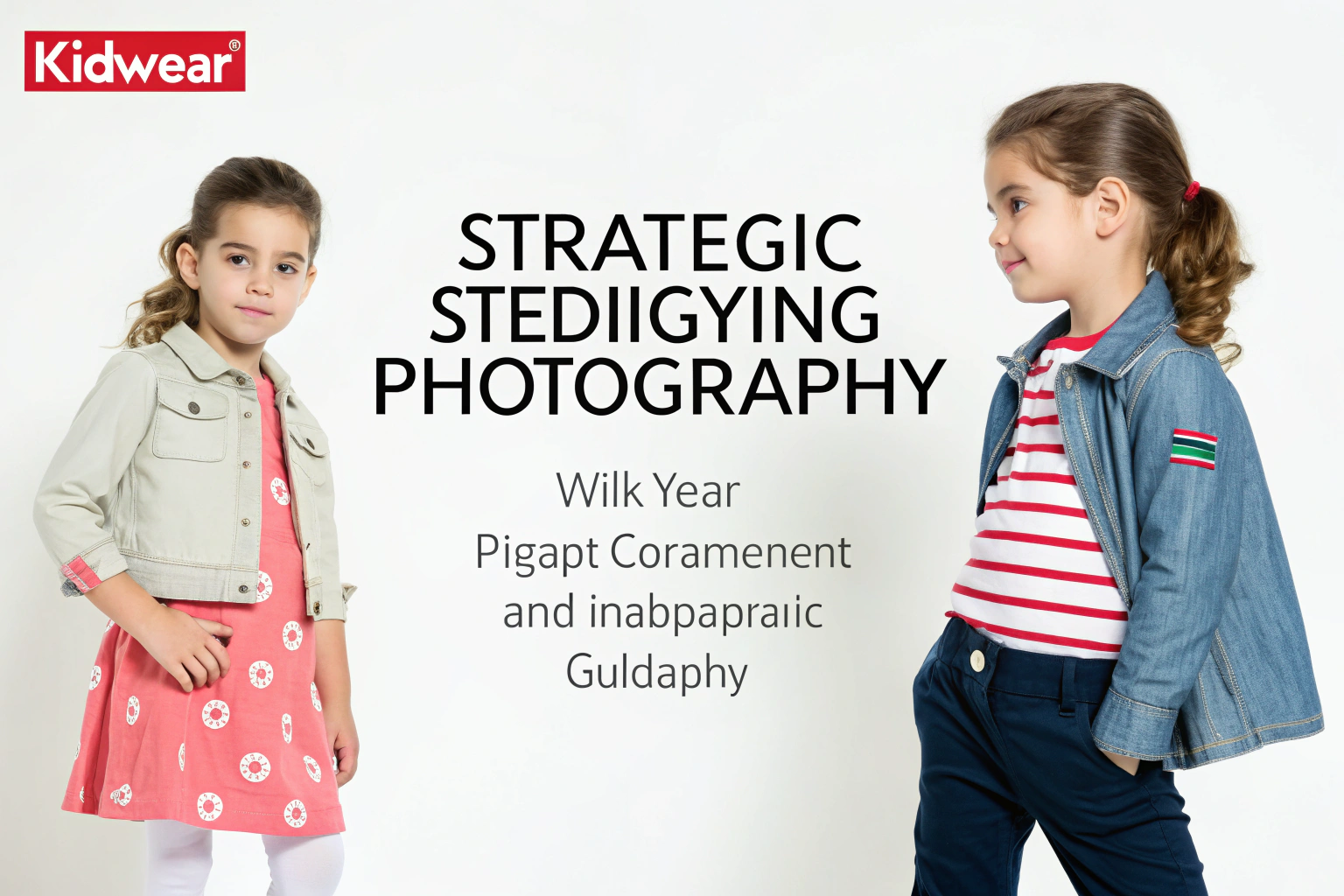
Creating compelling product photos for children’s clothing requires specialized styling approaches that balance professional presentation with child-friendly appeal. Effective styling transforms basic garments into desirable products that capture parents’ attention and drive sales.
Professional kidswear photography uses strategic styling techniques to showcase garment fit, function, and quality, making products irresistible to your target market while accurately representing your brand’s value proposition. These methods help products stand out in competitive online spaces and marketing materials, directly influencing customer purchasing decisions.
Essential Styling Techniques For Kids’ Clothing Photography
Mastering fundamental styling approaches ensures your clothing appears both attractive and functional to potential buyers.
Strategic layering, purposeful accessories, and natural posing create lifestyle contexts that resonate with parents while keeping garments as the visual focus. Each technique serves specific marketing purposes, from flat lays for e-commerce to lifestyle shots for brand storytelling.

How Can Layering Enhance Product Presentation?
Layering adds visual depth and demonstrates seasonal versatility. Begin with basic pieces like organic cotton t-shirts, then add complementary layers such as cardigans or light jackets. This approach showcases multiple products simultaneously while suggesting practical outfit combinations. Unbuttoned outer layers reveal underlying garments, creating texture and dimension that prevent flat, uninteresting images. Complete the look with subtle accessories like beanies or patterned socks to build cohesive, story-driven presentations.
What Role Do Props Play In Styling?
Props establish context and mood without overwhelming the main product. Select simple, relevant items that complement the garment’s purpose—wooden toys for playwear, books for casual outfits, or sports equipment for activewear collections. These elements provide scale reference for online shoppers and add personality that creates emotional connections with viewers. Properly chosen props enhance the garment’s story while maintaining focus on your core product.
Selecting Models And Backgrounds For Optimal Results
Your choices in models and settings significantly impact how customers perceive and connect with your brand.
Prioritize authentic, diverse models and uncluttered backgrounds that keep clothing as the primary visual element while supporting your brand’s narrative. The right combination creates relatable imagery that helps potential customers envision your products in their children’s lives.

What Makes An Effective Child Model?
Seek children who demonstrate natural comfort and genuine expressions rather than professional modeling experience. Diversity in ethnicity, hair types, and personalities expands your market appeal. Ensure perfect garment fit by selecting models who match sample sizes accurately—sometimes using slightly older children for smaller sizes achieves better proportions. Most importantly, maintain a positive environment that encourages authentic expressions, as forced smiles undermine credibility and product appeal.
How Do Backgrounds Influence Perception?
Backgrounds should enhance rather than compete with your products. Solid colors—particularly white or light gray—remain e-commerce standards for their clean, focused presentation. Lifestyle settings should feature simple, relatable environments like park benches or neutral walls that support the garment’s story without creating visual clutter. Background colors subtly influence mood: pastels create softness for infant wear, while vibrant tones energize activewear presentations. Always ensure backgrounds align with your overall brand identity.
Common Styling Mistakes And Solutions
Recognizing and avoiding frequent errors ensures your photography accurately represents product quality and builds customer trust.
Ill-fitting garments, distracting elements, and unnatural presentations misrepresent products and damage brand credibility, often leading to increased returns and negative customer experiences.
| Common Issue | Impact | Solution |
|---|---|---|
| Poor Garment Fit | Distorts design silhouette and proportions | Use properly sized samples and strategic pinning |
| Visual Distractions | Diverts attention from primary products | Simplify props and backgrounds |
| Unnatural Presentation | Creates inauthentic, unrelatable imagery | Encourage natural movement and expressions |

Why Does Garment Fit Matter So Much?
Ill-fitting samples fundamentally misrepresent your products, hiding intended silhouettes and creating inaccurate size perceptions. This discrepancy between photography and received products generates customer disappointment and returns. Always use correctly sized samples and employ discreet clipping techniques to achieve ideal proportions for photography. Partnering with manufacturers who understand precision garment production ensures consistent sizing that translates accurately from production to photography to customer delivery.
How Can Over-Styling Damage Product Presentation?
Excessive accessories or complex settings confuse customers about which items are actually for sale. The "less is more" principle applies strongly here—after styling an outfit, consider removing one accessory to achieve cleaner focus. Avoid trend-dependent props that quickly date your imagery, instead selecting timeless elements that emphasize garment quality and design. Remember that clothing should always remain the hero of every image, with styling elements serving as supporting characters.
Achieving Visual Consistency Across Collections
Consistent photography strengthens brand identity and creates professional, trustworthy shopping experiences.
Standardized lighting, editing, and composition approaches create cohesive visual language across your product lines, enhancing brand recognition and customer confidence in your quality standards.

What Belongs In A Photography Style Guide?
Develop comprehensive guidelines covering lighting setups, camera angles, background colors, and editing parameters. Specify handling differences between product categories—rugged approaches for children’s outerwear versus brighter treatments for party wear. Include model direction for poses and expressions that align with your brand personality. This documentation ensures consistent results across different photographers and shooting sessions, maintaining uniform presentation that reinforces brand identity.
Why Standardize Shot Lists?
Comprehensive shot lists guarantee complete visual coverage for every product, crucial for e-commerce where customers can’t physically examine items. Standard sequences should include front/back views, fabric texture close-ups, detail shots of unique features, and lifestyle context images. Consistent angles across your collection create predictable, navigable shopping experiences that reduce customer uncertainty and purchase hesitation. This professionalism directly translates to higher conversion rates and fewer product returns.
Conclusion
Professional styling transforms children’s clothing photography from simple product documentation into powerful sales tools. Mastering these techniques ensures your garments are presented accurately and appealingly, building customer trust and driving business growth. Consistency across your visual presentation strengthens brand identity while reducing post-purchase dissatisfaction.
Your investment in quality garments deserves equally professional presentation. As your manufacturing partner, we ensure every piece we produce meets the highest standards for both construction and photographic potential. Ready to create a collection that looks exceptional in both production and presentation? Contact our Business Director Elaine to discuss your project needs: elaine@fumaoclothing.com.