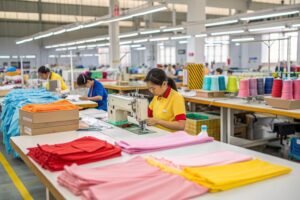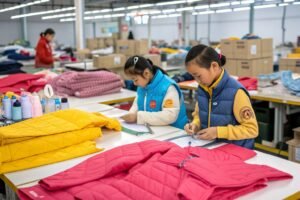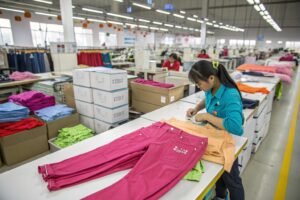

Entering the European children’s apparel market presents unique challenges and opportunities. While the landscape may seem complex with its specific regulations and consumer preferences, establishing a successful brand is achievable with the right approach. This comprehensive guide outlines the essential steps for navigating this lucrative market.
Success in the European children’s wear market requires compliance with stringent EU safety standards, strategic supplier selection, trend-aware product development, and robust quality assurance protocols. The foundation of any successful venture lies in partnering with a manufacturer that comprehensively understands these requirements and can ensure consistent execution across all operational aspects.
Let’s examine the critical components for building a sustainable children’s apparel brand in Europe.
What Are The Key EU Safety Standards For Children’s Clothing?
Product safety constitutes the fundamental requirement for market entry in the European Union. Regulatory compliance extends beyond quality considerations to encompass legal obligations that protect young consumers from potential hazards.
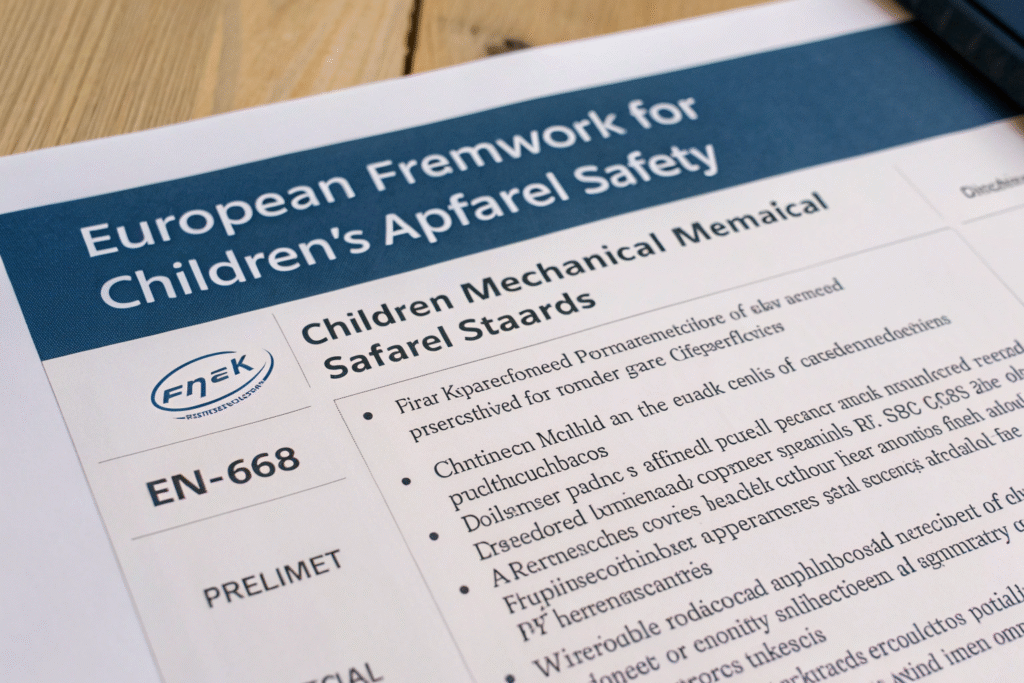
The European framework for children’s apparel safety primarily addresses mechanical risks through EN 14682 and chemical safety through REACH regulations. These standards mandate specific design parameters and material restrictions that manufacturers must integrate into their production processes. Compliance verification requires testing by accredited laboratories and maintaining comprehensive technical documentation for market surveillance authorities.
Why Is EN 14682 Compliance Critical For Market Access?
EN 14682 specifically regulates physical hazards in children’s clothing, focusing on drawstrings, cords, and small parts that present entanglement or choking risks. The standard categorizes requirements by age groups, with particularly stringent provisions for garments designed for children under seven years. Non-compliance can result in product recalls and significant reputational damage, making adherence essential for brand credibility.
How Does REACH Regulation Impact Material Selection?
The REACH framework (Registration, Evaluation, Authorization and Restriction of Chemicals) establishes limitations for approximately 200 substances in textile products. This encompasses heavy metals, allergenic disperse dyes, and plasticizers. Brands must implement rigorous chemical management systems throughout their supply chain, requiring close collaboration with manufacturers who maintain comprehensive material safety data sheets and conduct regular testing.
How To Establish A Reliable Supply Chain For European Markets?
Supplier selection represents one of the most consequential decisions for brands targeting the European market. The ideal manufacturing partner should function as an extension of your organization, with demonstrated expertise in European compliance requirements and consistent execution capabilities.
A qualified manufacturing partner provides value beyond production capacity, offering guidance on regulatory updates, material selection, and quality management. Essential criteria include verifiable export experience to EU markets, recognized certifications, and transparent communication protocols that facilitate efficient project management.

What Certifications Verify Manufacturing Compliance?
Third-party certifications provide objective validation of a manufacturer’s commitment to quality and social responsibility. Essential certifications include:
| Certification | Scope | Relevance |
|---|---|---|
| OEKO-TEX® STeP | Sustainable Production | Environmental management and social responsibility |
| BSCI | Social Compliance | Ethical labor practices and working conditions |
| ISO 9001:2015 | Quality Management | Systematic approach to quality assurance |
These certifications demonstrate adherence to internationally recognized standards, providing brands with assurance regarding production consistency and ethical compliance.
How Does DDP Terms Optimize Logistics Operations?
Delivered Duty Paid (DDP) incoterms significantly streamline international logistics for brands. Under DDP arrangements, the supplier assumes responsibility for all transportation, insurance, customs clearance, and import duties until goods reach the specified destination. This approach provides predictable landed costs and eliminates complexities associated with customs brokerage, allowing brands to focus on commercial activities rather than logistical challenges.
What Design Trends Resonate With European Consumers?
European children’s apparel preferences reflect a distinct aesthetic that balances style with functionality. Understanding these preferences requires attention to regional variations while recognizing overarching trends that transcend national boundaries.
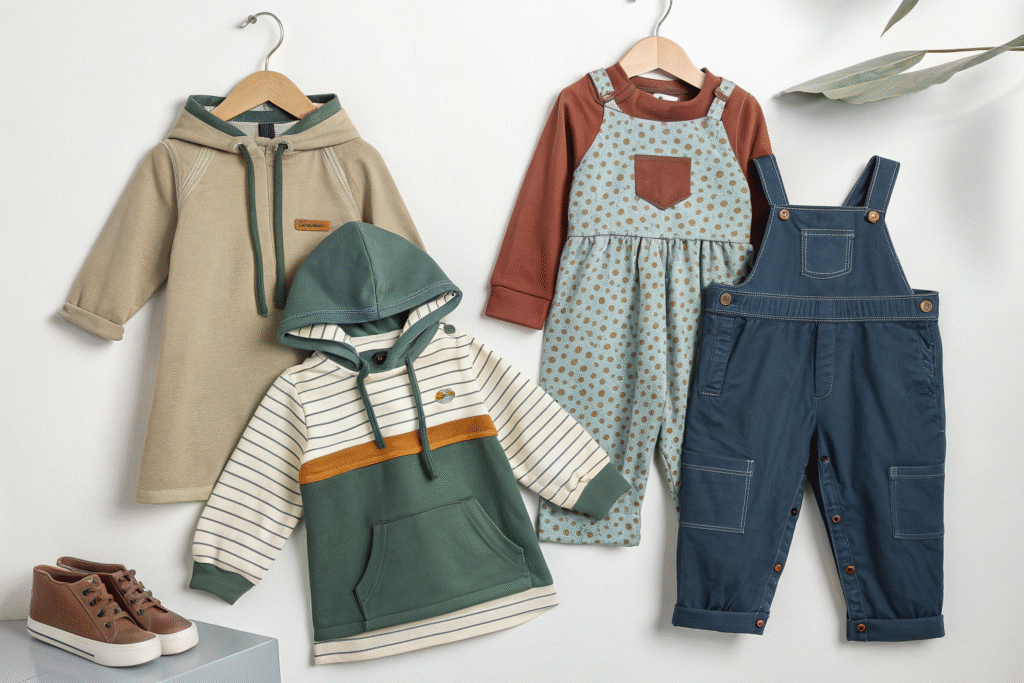
Contemporary European children’s wear emphasizes sustainable materials, versatile designs, and thoughtful construction. The market shows strong preference for organic and recycled materials, gender-neutral silhouettes, and color palettes that blend muted tones with strategic accent colors. Practical considerations like growth accommodation and easy care maintenance significantly influence purchasing decisions.
What Defines The European Aesthetic In Children’s Wear?
European children’s apparel typically features sophisticated simplicity, prioritizing clean lines, harmonious color stories, and attention to detail over overt branding or decorative elements. This approach aligns with consumer preferences for timeless designs that maintain relevance across seasons and facilitate outfit coordination. The aesthetic sensibility particularly values natural fabrics and thoughtful construction that enhances both comfort and durability.
How Important Are Sustainable Materials In Product Development?
Sustainability has transitioned from niche preference to mainstream expectation in European markets. Consumers actively seek products made from GOTS-certified organic cotton, recycled polyester, and cellulose fibers like Tencel™ and Modal. Beyond material selection, comprehensive sustainability strategies encompass responsible water usage, reduced chemical applications, and circular design principles that extend product lifespan.
How To Implement Effective Quality Assurance Protocols?
Quality management in children’s apparel requires systematic approaches that address safety, durability, and consistency. Effective quality systems integrate preventative measures throughout production rather than relying solely on final inspection.
A comprehensive quality assurance program encompasses raw material evaluation, in-process controls during manufacturing, and final random inspection based on statistically valid sampling methods. The AQL (Acceptable Quality Level) system provides the framework for determining inspection scope and acceptance criteria, with specific levels established for critical, major, and minor defects.

How Does The 4-Point Fabric Inspection System Work?
The 4-Point System provides a standardized method for evaluating fabric quality before cutting, assigning penalty points based on defect severity and frequency. This objective assessment method enables evidence-based decisions regarding fabric utilization, with the total penalty points determining whether material meets acceptable quality thresholds. Implementing this system at the raw material stage prevents the allocation of resources to flawed materials, optimizing production efficiency.
What Is The Role Of In-Process Quality Controls?
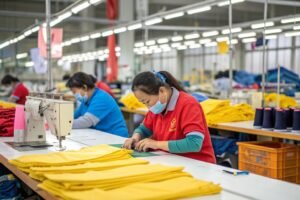
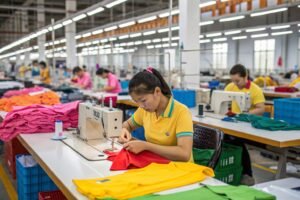
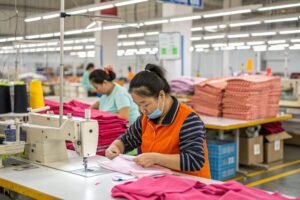
In-process quality monitoring during production enables real-time identification and correction of deviations from specifications. This proactive approach addresses potential issues like stitching inconsistencies, pattern alignment errors, or component attachment problems before they affect entire production runs. Effective in-process controls combine operator self-inspection with dedicated quality staff monitoring critical control points throughout manufacturing stages.
Conclusion
Establishing a successful children’s apparel brand in the European market demands strategic integration of regulatory compliance, consumer insights, and operational excellence. The complexity of requirements underscores the importance of selecting manufacturing partners with demonstrated expertise in European standards and consistent execution capabilities.
As you develop your market entry strategy, consider how the right manufacturing partnership can streamline your path to market while ensuring compliance and quality consistency. For specialized guidance on developing children’s apparel for European consumers, we invite you to contact our Business Director, Elaine, at elaine@fumaoclothing.com to explore collaborative opportunities.