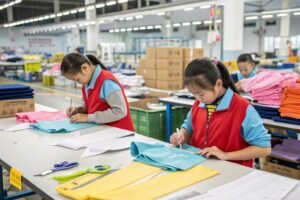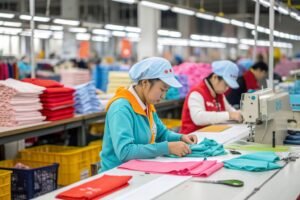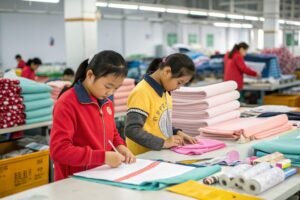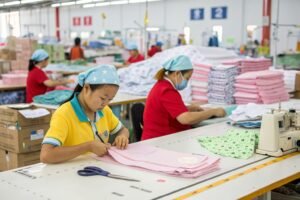

Selecting the perfect manufacturing partner is crucial for your children’s wear brand’s success. This decision affects your product quality, brand reputation, and profitability. With numerous global options available, understanding how to make the right choice is essential for building a successful business.
The ideal clothing manufacturer for your kids’ line should match your brand’s quality standards, ethical values, and budget requirements, while demonstrating proven experience in children’s apparel production, clear communication practices, and transparent supply chain management. This partnership goes beyond simple manufacturing—it’s about finding a reliable team extension that understands how to create safe, fashionable, and commercially viable children’s clothing.
Let’s examine the key considerations for establishing a manufacturing partnership that can effectively realize your creative vision and support your brand’s development in the competitive children’s fashion market.
What Are The Essential Criteria For Choosing A Children’s Wear Manufacturer?
Your manufacturer selection significantly impacts your brand’s future. You need a partner who comprehends your vision and can consistently deliver results. The crucial approach involves looking beyond initial pricing to evaluate comprehensive capabilities.
The most vital criteria include demonstrated commitment to quality and safety compliance, dependable communication and project management systems, and a business approach that complements your requirements, particularly experience with mid-to-high market segments and adaptable order arrangements. A manufacturer excelling in these areas transforms into a valuable strategic partner.

Why Does Children’s Apparel Specialization Matter?
General clothing manufacturers often lack specific knowledge about children’s wear requirements. The fabric specifications, construction techniques, and safety regulations differ significantly. A manufacturer focusing on children’s apparel understands specific regulations, including those governing flame-resistant children’s sleepwear and application of safe, non-toxic coloring agents.
These specialized manufacturers possess expertise in handling durable, soft, and hypoallergenic fabrics necessary for children’s delicate skin. Their technical knowledge in construction methods, like utilizing flatlock seams to minimize skin irritation, integrates seamlessly into their manufacturing process. This specialized understanding reduces potential risks and guarantees your collection meets both aesthetic expectations and international children’s product safety requirements.
How Can You Authenticate Manufacturer Credentials And Certifications?
Verifying manufacturer claims is essential to avoid challenges like production delays or documentation inaccuracies. Always request substantiating evidence. Reputable manufacturers will willingly provide business credentials and appropriate product certifications.
For children’s wear, seek certifications such as Oeko-Tex Standard 100, which examines harmful substance content, or Global Organic Textile Standard (GOTS) for organic materials. You can also verify their status on platforms like Alibaba for authenticated supplier verification or solicit references from their existing clients in North American and European markets. A virtual facility tour can offer additional confirmation of their operational capabilities and production scale.
How To Maintain Consistent Quality Standards In Children’s Clothing Manufacturing?
Quality represents the foundation of any prosperous children’s brand. Modern parents demonstrate discerning preferences, and any quality concern can affect your brand’s standing. Maintaining uniform quality demands a manufacturer with systematic and transparent methodologies.
Quality consistency is achieved through multi-phase procedures commencing with raw material assessment and continuing throughout production stages. This encompasses intermediate evaluations during cutting and assembly operations, concluding with comprehensive sampling inspections following established AQL parameters before dispatch.

What Constitutes An Effective Quality Management System?
An efficient quality management system operates proactively rather than reactively. It requires clear definition and mutual agreement before manufacturing initiation. Below is a standard operational structure:
| Phase | Primary Focus | Fundamental Checks |
|---|---|---|
| Pre-Production | Raw Material Quality | Fabric density, material composition, color fastness, and safety verification. |
| Production Phase | Manufacturing Line | Stitch integrity, seam durability, precision of applied designs and embroidery. |
| Pre-Dispatch | Final Product Evaluation | Dimension accuracy, functional aspects, craftsmanship, labeling correctness, and packaging completion. |
This methodology typically follows Acceptable Quality Level (AQL) inspection protocols, employing statistical analysis to determine representative sample sizes from production batches. Adherence to recognized AQL standards offers methodical foundation for product batch acceptance or rejection decisions.
Which Safety Certifications Provide Maximum Market Protection?
Implementing appropriate safety certifications serves both market accessibility and brand credibility purposes. For United States market distribution, verify alignment with CPSC guidelines, addressing flammability standards, lead content in surface coatings, and small component hazards. For European markets, CE marking demonstrates conformity with health and security mandates.
Beyond regulatory requirements, certifications like Oeko-Tex Standard 100 validate that each garment component, from sewing thread to fasteners, undergoes examination for harmful substances. Requiring these certifications and conducting periodic independent audits provides comprehensive assurance for both your business and your customers.
What Constitutes Effective Logistics And Communication Protocols?
Ineffective communication and supply chain disruptions rank among primary concerns for brand owners. A manufacturer’s competency in managing these operational elements matches the importance of their production abilities. Streamlined processes in these areas safeguard your seasonal selling opportunities and profit margins.
Optimal practices involve designating primary contact representatives, implementing collaborative project monitoring tools for immediate updates, and selecting comprehensive shipping arrangements like DDP (Delivered Duty Paid), where the manufacturer manages complete logistics and customs procedures, ensuring direct delivery to your specified location.

How To Optimize Communication Channels With Manufacturing Partners?
To prevent communication inefficiencies, request assigned account management. This eliminates information relay through multiple sales representatives. Establish regular update meetings and implement shared digital platforms for monitoring design approvals, production timelines, and shipment information.
Our manufacturing facility provides clients with customized tracking interfaces to monitor order progress in real-time, from material procurement to final shipment. This transparency level builds confidence and ensures continuous information access. Clear communication protocols represent the initial step in preventing delays that could impact critical selling periods.
Which Shipping Arrangements Minimize Commercial Risk?
Understanding International Commercial Terms remains fundamental. For importers seeking operational simplicity, DDP (Delivered Duty Paid) often presents the most advantageous option. Under DDP terms, your manufacturer assumes responsibility for complete shipping processes, including export documentation, international transportation, insurance coverage, and import duties and taxes.
This arrangement provides predictable, comprehensive costing and eliminates need for managing complex international freight coordination. It directly addresses concerns regarding shipment delays, as the manufacturer maintains vested interest in ensuring timely and efficient delivery of goods under their responsibility.
How To Approach Costing And Minimum Order Quantity Negotiations?
Financial discussions form an integral component of manufacturing partnerships. The objective involves identifying manufacturers offering equitable pricing for value delivered, with minimum order quantities that correspond to your business volume. Transparent cost structure discussions indicate reliable partnership potential.
Navigate costing and MOQ discussions by openly addressing budget parameters and volume projections. Seek manufacturers providing graduated pricing structures and demonstrating flexibility regarding MOQs, particularly for emerging brands. Always verify comprehensive cost inclusions within quotations to prevent unexpected additional charges.
What Components Comprise A Comprehensive Manufacturing Quotation?
A detailed quotation should itemize all cost elements. This typically includes:
- Materials and Trims: Cost measurements per unit
- Production Labor: Cutting, assembly, and finishing expenses
- Supply Chain Costs: Transportation and insurance charges
- Importation Fees: Duty and tax calculations when using DDP terms
Exercise caution with exceptionally low quotations. These often omit vital components like quality verification testing or precise customs valuation assessments, which materialize as unexpected costs subsequently. Professional manufacturers supply complete cost breakdowns.
Is Flexible Minimum Order Quantity Possible Without Quality Compromise?
Affirmative, this represents an achievable objective. Numerous established manufacturers, including our operation, accommodate reduced MOQs for particular product classifications or emerging brands conducting market testing. This flexibility enhances when manufacturers maintain diverse product ranges, like children’s wear and women’s apparel, enabling more adaptable material sourcing.
The crucial factor involves transparent requirement communication. We frequently collaborate with emerging brands to develop introductory collections with feasible MOQs, permitting brand establishment without sacrificing the quality and safety standards expected by our established clients.
Conclusion
Selecting the appropriate clothing manufacturer for your children’s wear line constitutes a strategic determination based on specialized expertise, verifiable quality standards, efficient supply chain management, and transparent financial arrangements. By prioritizing partners with specific children’s apparel knowledge and dedication to clear communication, you establish a solid foundation for brand achievement. This partnership enables concentrated focus on design and marketing initiatives, with confidence in production reliability.
For brands seeking a dependable partner for high-quality children’s clothing manufacturing, we welcome communication with our Business Director, Elaine. She can elaborate on our operational methodology and explore how we can address your specific requirements. Contact Elaine at elaine@fumaoclothing.com to initiate discussions regarding your manufacturing needs.