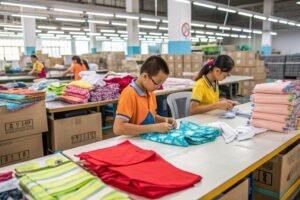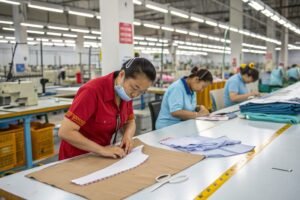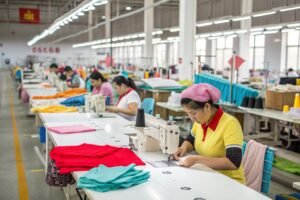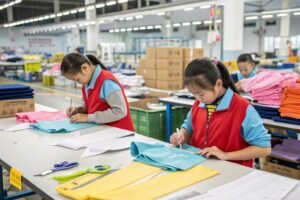
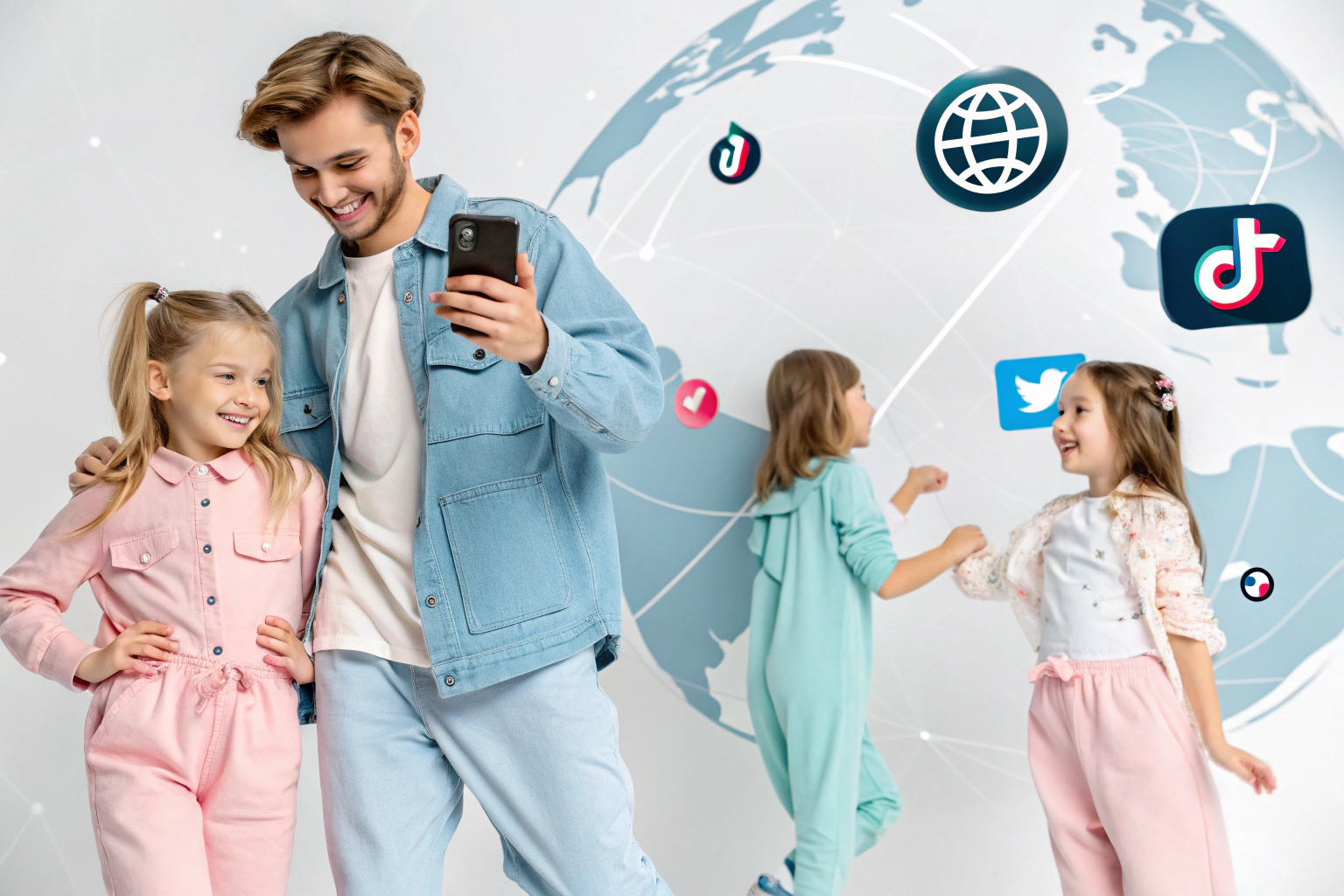
In today’s digital landscape, social media trends have become fundamental to commercial success in the children’s fashion sector. As an established children’s clothing manufacturer serving American and European markets, we observe how these digital patterns directly influence sales performance and brand development. This analysis examines the pivotal social media forces currently shaping the juvenile apparel industry, offering strategic insights for business growth.
Current market analysis indicates that user-generated content, maternal influencer partnerships, short-form video platforms like TikTok, and consumer demand for supply chain transparency represent the most impactful social media trends in children’s apparel. Strategic implementation of these elements enhances brand visibility, consumer engagement, and ultimately, revenue generation. Successful brands consistently demonstrate adaptability to evolving digital conversations and consumer expectations.
Let’s examine these influential trends and their practical applications for children’s wear brands.
How Does User-Generated Content Enhance Brand Credibility?
The strategic incorporation of user-generated content represents a paradigm shift in contemporary marketing approaches. For our commercial partners, systematic integration of authentic customer content has demonstrated consistent improvement in conversion metrics and customer acquisition costs.
User-generated content serves as empirical social validation, substantiating product quality and design appeal through genuine consumer experiences. This organic content format generates higher engagement rates than traditional advertising, fostering brand community development and facilitating market penetration through relatable peer demonstrations.

Which UGC Formats Deliver Optimal Conversion Rates?
The most effective UGC formats for conversion optimization include detailed product reviews with high-resolution imagery, comprehensive "haul" demonstrations, and consistent "outfit of the day" content series. Contextual product demonstrations showing garments in authentic usage scenarios provide compelling evidence of practical utility and aesthetic appeal. Unboxing experiences further enhance consumer confidence through transparent product presentation and packaging quality assessment.
What Strategies Effectively Stimulate UGC Creation?
Systematic UGC generation requires structured incentive mechanisms and clear communication channels. Implementation of branded hashtag campaigns creates organizational frameworks for content aggregation. Regular promotional initiatives offering commercial incentives for quality content submissions stimulate ongoing participation. Strategic packaging insert design with explicit content creation encouragement reinforces brand-customer interaction. Collaboration with reliable children’s clothing manufacturers ensures product consistency that naturally encourages positive consumer documentation.
What Makes Maternal Influencers Effective in Juvenile Fashion Marketing?
Maternal influencers have emerged as pivotal marketing assets due to their established credibility within target demographic segments. Their persuasive capacity stems from perceived authenticity and shared experiential knowledge rather than corporate affiliation.
These content creators provide direct access to highly engaged consumer bases that value their informed perspectives. Their endorsements typically generate higher conversion rates than traditional advertising, while their substantive feedback offers invaluable market intelligence regarding emerging children’s fashion trends and practical consumer requirements.

How to Identify Appropriate Influencer Partners?
Influencer selection should prioritize audience alignment and engagement quality over numerical metrics. Micro-influencers with highly specialized audiences often deliver superior ROI compared to broad-reach creators with diluted engagement. Comprehensive audience demographic analysis and content interaction assessment provide critical data for partnership decisions. The qualitative aspects of community interaction frequently outweigh quantitative metrics in long-term partnership viability.
What Constitutes an Effective Influencer Collaboration Framework?
Successful influencer partnerships incorporate multi-platform content distribution and substantive product integration. Comprehensive campaign structures typically include Instagram Reel demonstrations, interactive Story sessions, and detailed blog evaluations focusing on technical specifications and practical performance. Providing influencers with complete technical documentation, including manufacturing quality assurance protocols, enables authoritative product representation and enhances content credibility.
Does TikTok Represent a Viable Channel for Parental Audience Engagement?
TikTok’s algorithmic content distribution system provides unprecedented opportunity for organic brand discovery within parental demographics. The platform’s emphasis on authentic, short-form video content aligns perfectly with juvenile apparel demonstration requirements.
The "For You" page mechanism enables substantial audience expansion beyond traditional follower bases. Content demonstrating practical problem-solving aspects of children’s apparel typically achieves maximum engagement, establishing immediate brand relevance and stimulating impulse purchase behavior through emotional connection.

Which TikTok Content Modalities Generate Maximum Engagement?
The most effective TikTok formats include comprehensive product "haul" presentations, daily preparation routines featuring children’s apparel, and organizational content showcasing juvenile wardrobe management. Consistent "outfit of the day" content synchronized with trending audio elements maintains audience interest, while interactive features like Duets and Stitches expand content distribution through community participation.
How to Optimize TikTok Audio and Classification Strategies?
Strategic audio selection is essential for content visibility within TikTok’s distribution ecosystem. Content narrative alignment with trending audio emotional resonance enhances algorithmic favorability. Hashtag implementation should combine broad categorical tags with specialized industry terminology, including branded identifiers. Educational content explaining specialized shipping arrangements like DDP Incoterms provides distinctive value while demonstrating supply chain expertise.
How Does Sustainability Communication Impact Consumer Decision-Making?
Contemporary consumers increasingly incorporate ethical considerations into purchasing decisions, utilizing social media platforms to verify brand claims regarding sustainable practices. Environmental and social responsibility commitments have evolved from competitive differentiators to consumer expectations.
Digital platforms enable comprehensive demonstration of sustainable initiatives, from material selection to manufacturing processes. Transparent communication regarding certifications and production standards builds consumer trust and justifies premium pricing through value alignment.

Which Sustainability Certifications Carry Market Credibility?
Informed consumers prioritize verifiable certifications including Global Organic Textile Standard (GOTS) for organic materials, Oeko-Tex Standard 100 for chemical safety compliance, and transparent manufacturing condition disclosures. Product durability and longevity claims supporting circular fashion principles increasingly influence purchasing decisions, with consumers rejecting vague environmental assertions in favor of substantiated documentation.
How to Implement Authentic Sustainability Communication?
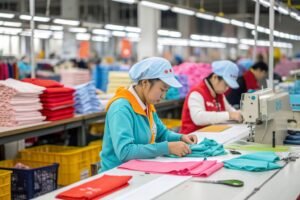
Effective sustainability communication emphasizes transparent demonstration over promotional claims. Behind-the-scenes manufacturing documentation and educational content explaining certification significance establish brand credibility. Highlighting operational efficiencies that ensure supply chain reliability while maintaining ethical standards demonstrates comprehensive commitment to responsible business practices throughout the organizational ecosystem.
Conclusion
The children’s apparel market is undergoing substantial transformation driven by social media evolution. Strategic integration of user-generated content, influential partnerships, platform-specific content creation, and transparent sustainability communication represents the contemporary framework for market success. Brands demonstrating adaptability and authentic engagement within these digital channels establish sustainable competitive advantages in an increasingly dynamic marketplace.
Effective digital strategy implementation requires corresponding operational excellence. For brands seeking manufacturing partnerships capable of supporting growth initiatives with consistent quality and reliable delivery, we invite professional consultation. Please contact our Business Director, Elaine, to discuss your production requirements: elaine@fumaoclothing.com.