Choosing manufacturing partners is crucial for children’s wear brands. Your supplier’s performance affects product quality directly. It also impacts your brand reputation. Your bottom line depends on reliable partners. How can you verify a manufacturer meets your standards? A systematic supplier audit provides the answer.
A comprehensive supplier audit evaluates multiple factory aspects. It examines production capabilities thoroughly. It assesses quality control systems. It verifies ethical compliance. It checks logistical reliability. This proactive approach mitigates supply chain risks effectively.
Why is a supplier audit crucial for kids’ apparel?
Factory tours alone cannot guarantee manufacturing quality. Children’s products face stricter safety regulations. Consumer expectations are higher for kids’ items. An audit provides deeper supplier insights. It ensures your manufacturer becomes a true partner.
Audits identify potential risks early. They verify factory claims about capabilities. They confirm certification authenticity. This process prevents production delays. It avoids quality issues. It stops compliance failures. These problems can damage brands significantly.

What are the core risks a supplier audit identifies?
Effective audits target multiple risk areas. Production capability assessment comes first. Factories must demonstrate consistent output quality. They need to handle required order volumes. Quality control evaluation follows next. Standardized checks should occur at each production stage. A robust quality management system is essential.
Regulatory compliance matters greatly for children’s wear. Factories must test for harmful substances. They must ensure physical safety features. Secure buttons and safe drawstrings are examples. Ethical and social compliance completes the audit. Fair worker treatment reflects management stability.
How does auditing protect your brand’s integrity?
Brand reputation depends on product quality. Thorough audits protect this reputation practically. Factory compliance with international social compliance standards prevents labor practice issues. Material quality verification avoids product recalls. Safety testing protects children from harm.
Reliable factories ensure consistent product quality. This consistency builds customer trust. It increases brand loyalty. Market transparency becomes a competitive advantage. Partnering with audited manufacturers provides marketing stories.
What should you check in a pre-audit questionnaire?
Pre-audit questionnaires filter unsuitable partners efficiently. These documents gather essential information quickly. They help focus on-site visits effectively. They save time and resources.
Questionnaires serve as initial screening tools. They cover basic factory information. They document business history. They capture self-reported capabilities. The goal is understanding factory experience. Alignment with specific needs becomes clear.

What company and compliance details are non-negotiable?
Start with fundamental business documents. Request official business licenses. Confirm registration details. Verify children’s garment manufacturing experience. This specialization requires unique expertise.
Request valid certification lists. US market suppliers need CPC (Consumer Product Certificate). Ask about Oeko-Tex Standard 100 familiarity. This certification ensures harmless textiles. Reputable kids’ wear factories meet these baselines.
How to assess production capacity and key clients?
This section reveals operational scale. Ask about production line numbers. Request monthly output averages. Inquire about current key clients. Learn about their brand partnerships.
Factories serving established brands demonstrate higher standards. North American and European experience is valuable. Fumao Clothing works with such brands regularly. This information helps gauge order fit. Size matching prevents future problems.
What are the key on-site audit areas for a garment factory?
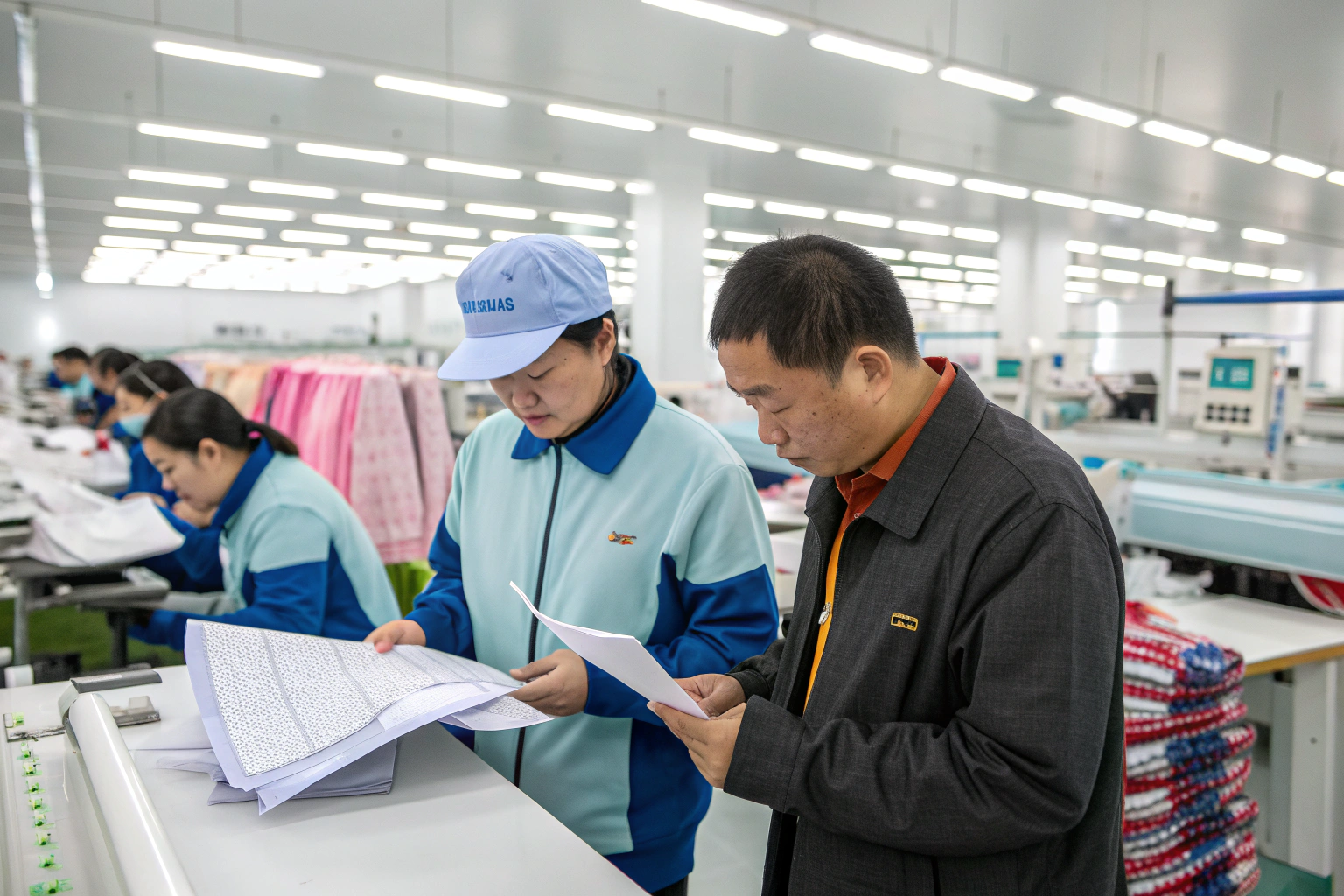
On-site audits reveal factory realities. They show actual operations clearly. They demonstrate workplace culture. They prove attention to detail. Site visits confirm partnership suitability.
Plan full-day factory visits. Look beyond prepared showrooms. Transparent partners welcome comprehensive tours. All facilities should be accessible.
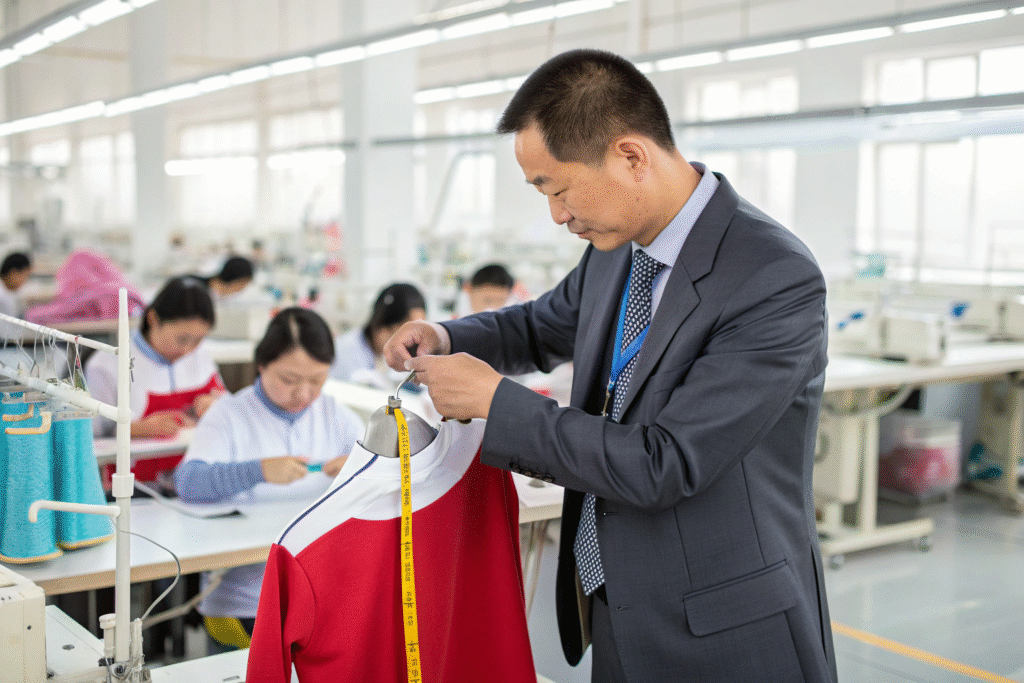
Is the production floor safe and efficient?
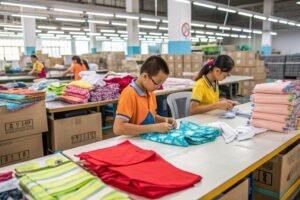
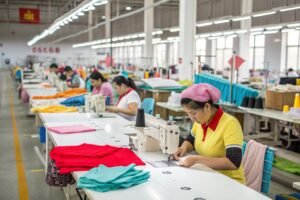
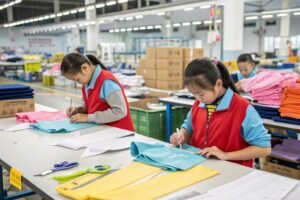
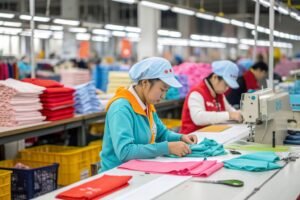
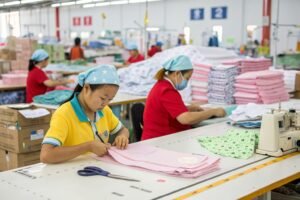
Factory floors reveal management quality. Organization indicates professionalism. Cleanliness shows discipline. Logical workflows improve efficiency. Material storage should be neat.
Observe machinery condition. Modern equipment ensures better quality. Maintenance records matter. Safety features are crucial. Fire extinguishers must be accessible. Exits should remain unobstructed. Safe environments produce better products.
Does their quality control process meet international standards?
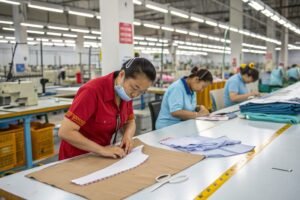
Request quality control demonstrations. Serious factories have dedicated QC stations. These should cover cutting and sewing stages. Finishing inspections are equally important.
Review quality control records. Examine defect reports. Factories should explain their AQL standards. An AQL chart shows industry sampling standards. Hands-on verification proves quality commitment.
How to verify certifications and manage logistics?
Final audit stages validate documents. They clarify post-production processes. They ensure product safety. They guarantee delivery efficiency.
This phase solidifies operational frameworks. Compliance systems must be robust. Shipping procedures should be reliable. Communication needs clarity.
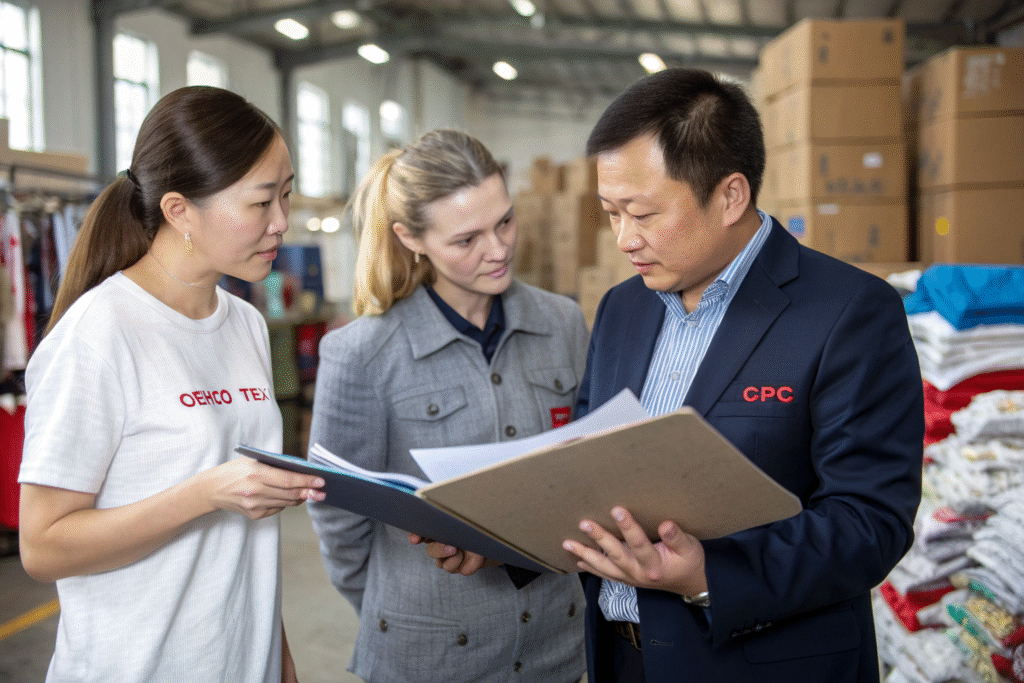
Are the factory’s certifications authentic and current?
Certificate falsification concerns buyers like Ron. Request original certification documents. Cross-reference numbers on official websites. Oeko-Tex certificates have verification portals.
Trustworthy factories show transparency. They share information proudly. Fumao Clothing opens its certification records. Trust forms lasting business foundations.
What are the supplier’s shipping and payment terms?
Clear logistics prevent misunderstandings. Discuss standard Incoterms thoroughly. FOB terms are common. DDP services offer more convenience.
Understand lead times completely. Ask about delay handling. Clarify payment methods early. T/T and L/C are standard options. Clear terms prevent missed seasons.
Conclusion
Supplier audits represent strategic investments. They enable informed decisions. They transform risky guesses into calculated partnerships. Systematic evaluation builds resilient supply chains.
The audit process finds trustworthy partners. Shanghai Fumao welcomes thorough audits. We meet high standards consistently. We understand brand owners’ needs. We deliver top quality products. We offer competitive pricing. We maintain reliable operations. Contact Business Director Elaine today. Discuss your next order at elaine@fumaoclothing.com.