Manufacturers often prioritize fabric safety in children’s clothing. They frequently overlook the risks of zippers and buttons. These small components present serious dangers if chosen poorly. Understanding safe hardware selection is essential for children’s wear production.
Proper hardware selection requires knowledge of international safety standards. It demands appropriate material choices and rigorous testing protocols. The process extends beyond aesthetic considerations. It necessitates specialized understanding of children’s product regulations and hazard prevention.
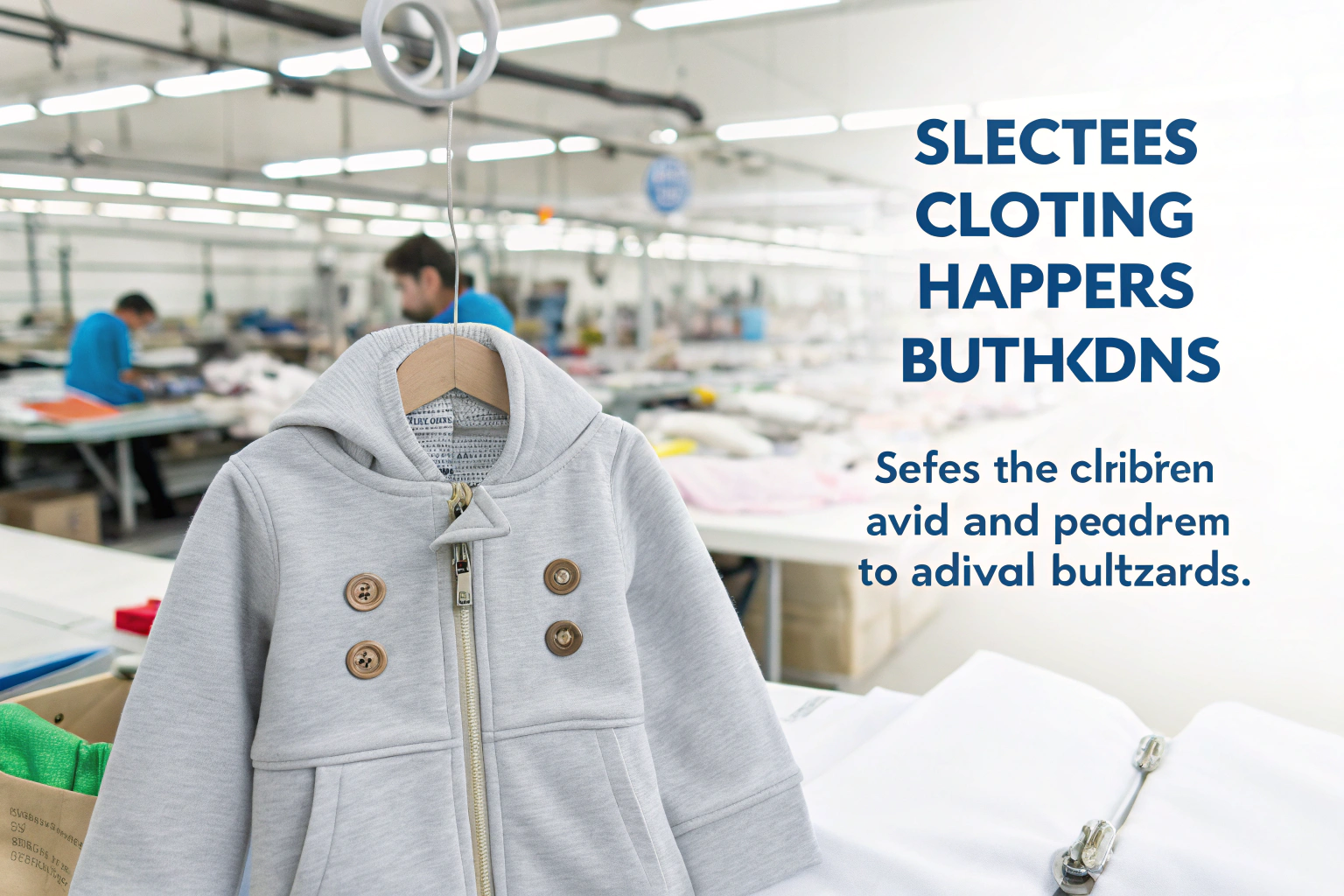
Our manufacturing facility has established comprehensive hardware selection methods. These approaches protect children and brands from potential liabilities. We ensure all zippers and buttons meet the highest safety standards. We also maintain the garments’ visual appeal.
What Are The Key Safety Standards For Children’s Clothing Hardware?
Safety standards form the foundation of proper hardware selection. Many manufacturers assume all components are equal. Regulatory compliance actually distinguishes safe products from hazardous ones.
Critical standards include CPSIA requirements in the United States. European standards include EN 71-1 regulations. These rules address small parts and sharp points. They regulate heavy metal content and mechanical hazards. Our company maintains complete documentation for all hardware components. We ensure full traceability and compliance verification.

Why Do Small Parts Regulations Matter So Much?
Small parts regulations prevent choking hazards in young children. Buttons and zipper pulls must pass use-and-abuse testing. They cannot detach with reasonable force. The CPSC specifies size requirements for different age groups. Components for children under three cannot fit in a test cylinder. This cylinder simulates a child’s throat.
We implement rigorous small parts testing. Our quality team uses calibrated testing equipment. Buttons must withstand pull tests exceeding requirements. Zipper pulls break away under specific pressure levels. This prevents choking without compromising function.
How Can You Verify Heavy Metal Compliance?
Heavy metal compliance is mandatory for children’s products. The CPSIA limits lead to 100 ppm in accessible components. Phthalate restrictions apply to plastic parts. Children might mouth these during normal use.
We require third-party test reports from suppliers. These come from accredited laboratories like SGS. Reports must confirm current heavy metal compliance. We conduct random spot testing during production. Our DDP service manages all compliance documentation. This ensures smooth importation to Western markets.
How To Choose The Right Zipper Types For Different Age Groups?
Zipper selection involves more than color matching. It requires understanding developmental stages and risks. A teenager’s zipper might be unsafe for an infant.
Newborns need reverse-coil zippers with automatic locking. These have large, easy-to-grip pulls. They prevent skin pinching and provide secure closure. Toddlers benefit from two-way separating zippers. These facilitate diaper changes. School-aged children can use standard zippers. They still need reinforced stitching and durable construction.

What Zipper Features Prevent Skin Pinching?
Skin pinching concerns parents and manufacturers. It commonly occurs in neck and chin areas. Molded plastic zippers with rounded teeth help. They create smoother surfaces that don’t catch skin. Zipper guards provide physical barriers between hardware and skin.
We source anti-pinch zippers for younger age groups. These have specially shaped teeth. They interlock without creating sharp edges. Two-way zippers allow ventilation adjustment. Our technical team conducts practical wear tests. They approve zippers only after thorough evaluation.
How Does Zipper Placement Affect Safety?
Zipper placement impacts safety and functionality. Front zippers must avoid chin contact when closed. Back zippers need longer pulls for independent dressing. They must maintain smooth operation throughout.
Our designers consider child mobility and caregiver convenience. They follow specific placement guidelines:
| Garment Type | Recommended Placement | Safety Considerations |
|---|---|---|
| Infant Sleepers | Center-back with covered top stop | Prevents chin rubbing and facilitates diaper changes |
| Toddler Jackets | Diagonal front with guard | Allows independent dressing while preventing neck contact |
| School Uniforms | Standard front with automatic lock | Balances security with ease of use for older children |
What Button Characteristics Ensure Maximum Safety?
Buttons present unique safety challenges. They can be choking hazards and breakage risks. Safe buttons combine secure attachment with durable construction.
We prioritize buttons passing visual and mechanical testing. Four-hole flat buttons provide more security than two-hole versions. Shank buttons need reinforced bases. They must not snap under pressure. For children under three, we recommend alternative closures. Buttons can serve as decorations placed away from mouth areas.

Which Button Materials Are Safest For Children?
Material selection directly affects button safety. Natural materials include corozo and polished wood. These need careful sealing to prevent splintering. High-quality polyester and nylon resins offer excellent durability. They provide consistent performance.
We avoid cellulose-based materials. These might degrade with repeated washing. Our selection process evaluates colorfastness and wash durability. We test resistance to household chemicals. All plastic components meet phthalate restrictions. They comply with heavy metal limits. Our standards often exceed regulatory minimums.
How Can You Prevent Button Detachment?
Button detachment is the primary safety concern. We address this through multiple strategies. These include reinforced stitching and proper thread selection. Bar tacking at stress points adds extra security.
Our production uses specialized equipment. This ensures consistent stitch tension and depth. We implement rigorous quality checks at multiple stages:
- Pre-production: Testing shank strength and hole integrity
- During production: Random garment selection for pull testing
- Final inspection: Visual and tactile examination of each button
This approach reduces detachment risks significantly. We provide care instructions to customers. These help maintain button security during home laundering.
How To Implement Effective Quality Control For Hardware?
Hardware quality control needs specialized procedures. Standard garment inspection is insufficient. Our facility has developed specific protocols. These address regulatory compliance and practical durability.
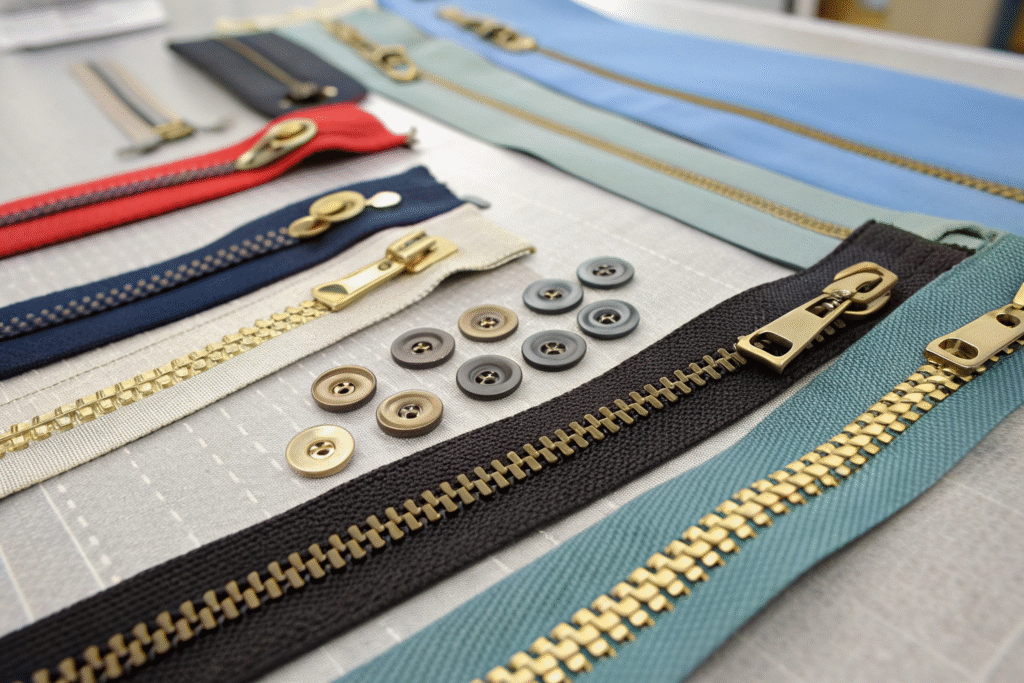
Our process begins with supplier selection. We audit hardware manufacturers thoroughly. We evaluate their testing capabilities and material traceability. We check their compliance history. Before production, we test component samples in laboratories. We verify standard compliance. During mass production, we use statistical process control. This identifies potential issues early.
What In-House Tests Verify Hardware Safety?
We maintain an in-house testing laboratory. It performs critical safety checks on hardware. Standard tests include small parts evaluation. We use the official CPSC test cylinder. We conduct sharp edge testing with proper instrumentation. Pull tests exceed requirements by twenty-five percent.
Zippers undergo slider integrity checks. We test chain separation strength and colorfastness. Buttons receive hole integrity examinations. We measure shank strength and impact resistance. All results go into our quality management system. This provides complete traceability for production lots.
How Does Documentation Support Hardware Safety?
Proper documentation creates an audit trail. It demonstrates due diligence in component selection. We maintain detailed hardware records. These include material safety data sheets. We keep third-party test reports and supplier certifications. Our own quality control results are documented thoroughly.
This system enables quick customer responses. It addresses safety or compliance inquiries efficiently. Our DDP shipments include necessary documentation. This streamlines customs clearance and retail compliance. Proper paperwork protects our clients. It ultimately protects the children wearing the garments.
Conclusion
Safe hardware selection requires a systematic approach. It balances regulatory compliance with practical functionality. Durable construction is equally important. Understanding international standards is crucial. Age-appropriate designs prevent many hazards. Rigorous quality control identifies potential issues.
Proper hardware investment reduces liability concerns. It strengthens brand reputation significantly. Most importantly, it enhances child safety substantially. Our company has decades of children’s wear experience. We continuously refine our component selection methods. We monitor evolving safety standards closely.
We understand hardware safety’s critical importance. Contact our Business Director Elaine today. Her email is elaine@fumaoclothing.com. Let us help create beautiful, safe children’s clothing. Your brand deserves quality and compliance.