As a baby clothing manufacturer, I hear this question all the time from brand owners like you. You want to create a product line that is not only stylish but also supremely safe for delicate skin. Choosing the wrong material can lead to customer complaints, returns, and damage to your brand’s reputation. The anxiety of sourcing the perfect hypoallergenic fabric is real, especially when balancing quality with cost.
The best fabrics for hypoallergenic baby clothes are natural, breathable, and free from harsh chemicals. Organic cotton, bamboo viscose, and silk are top choices because they are gentle, soft, and minimize the risk of skin irritation. The key is to prioritize fabrics with certifications like GOTS and Oeko-Tex 100, which guarantee strict limits on harmful substances. Understanding this is the first step to building a trusted and successful children’s wear collection. Let’s explore the specific fabrics that will make your next order a safe and commercial success.
What is the safest fabric for a baby’s sensitive skin?
For brand owners, "safety" means no skin reactions and happy customers. The safest fabric is one that is chemically clean, physically soft, and breathable. We consistently see that natural fibers outperform synthetics for sensitive skin. The safest options are those certified to be free from allergens and irritants.

Why is organic cotton the gold standard?
Organic cotton is the industry benchmark for safety. It is grown without toxic pesticides and synthetic fertilizers. The processing of organic cotton also avoids harmful chemicals like chlorine bleaches and heavy metal dyes. This makes it inherently less likely to cause allergic contact dermatitis. For your brand, sourcing GOTS-certified organic cotton is a powerful marketing point. It assures parents that you have prioritized purity from field to fabric. The fabric is also highly breathable, which helps regulate a baby’s body temperature and prevents heat rash, a common irritant.
How does bamboo viscose benefit delicate skin?
Bamboo viscose is another excellent choice for hypoallergenic clothing. The bamboo plant is naturally pest-resistant, so it requires no pesticides. The resulting fiber is incredibly soft and smooth, with a round cross-section that feels silky against the skin. This reduces friction, which can otherwise lead to chafing and redness. Furthermore, bamboo fabric has natural moisture-wicking properties, pulling sweat away from the skin and keeping the baby dry. This prevents the damp environment where bacteria and fungi, which can cause infections, thrive. For your product line, bamboo blends offer a luxury feel that justifies a higher price point.
How to verify fabric safety and certifications?
Knowing which fabrics are safe is one thing; proving it to your customers is another. This is where third-party certifications become your most valuable tool. They provide an unbiased guarantee of quality and safety, building immediate trust. Relying solely on a supplier’s word is a risk you cannot afford.

What does the Oeko-Tex Standard 100 mean?
The Oeko-Tex Standard 100 is a globally recognized testing and certification system for textile raw materials and end products. It tests for a list of over 100 harmful substances, including allergens, carcinogenic dyes, and heavy metals. When a fabric is Oeko-Tex certified, it means every component—threads, prints, and elastics—has been tested and is harmless to human health. For you as a buyer, this certification simplifies your quality control. It is a clear, verifiable standard that you can promote on your hangtags and marketing materials, directly addressing a key pain point for parents.
Why is GOTS certification crucial for organic claims?
While Oeko-Tex focuses on the final product’s safety, the Global Organic Textile Standard (GOTS) is more comprehensive. It tracks the organic status of the fiber from the field to the finished garment. GOTS certification ensures not only the organic origin but also mandates strict environmental and social criteria throughout the manufacturing process. It prohibits the use of toxic bleaches, dyes, and formaldehydes. For your brand, using GOTS-certified fabrics protects you from "greenwashing" accusations. It provides a credible, traceable story that resonates deeply with today’s eco-conscious consumers, allowing you to command a premium price.
Which fabrics should be avoided for baby clothes?
Equally important to knowing the good fabrics is knowing the bad ones. Steering clear of certain materials can prevent costly product recalls and protect your brand’s image. The main culprits are often synthetic fabrics and those with questionable finishing processes.

Why are some synthetic fabrics problematic?
Synthetic fabrics like standard polyester and nylon are not inherently "bad," but they pose risks for sensitive skin. They are less breathable than natural fibers, trapping heat and moisture against the skin. This creates a perfect environment for bacteria to grow and can lead to heat rash and irritation. Furthermore, the production of these fabrics often uses petroleum-based chemicals and heavy metal catalysts, residues of which can remain in the fabric. Unless they are certified Oeko-Tex, there is a higher chance they contain skin irritants. For your budget-friendly lines, consider high-quality, certified synthetics rather than the cheapest options.
What is the risk with non-certified "natural" fabrics?
This is a critical point. Not all "organic" or "natural" claims are valid. Conventional cotton, for instance, is a natural fiber but is one of the world’s most pesticide-intensive crops. Without a GOTS certificate, a "100% Cotton" tag tells you nothing about the chemical load left in the fabric. Similarly, wool, while natural, can be too rough and scratchy for babies and may contain lanolin, a common allergen. The finishing processes, such as formaldehyde-based wrinkle-resistant treatments, are often the source of the problem, not the fiber itself. Always demand certification, not just claims.
How to source certified hypoallergenic baby clothing?
Finding a reliable manufacturer who understands and can verify fabric safety is your ultimate solution. It eliminates guesswork and ensures consistency across your orders. The right partner will have the certifications and transparent processes you need.

What should you look for in a manufacturing partner?
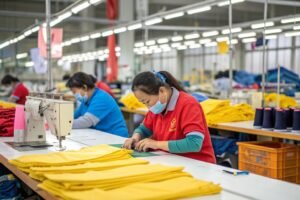
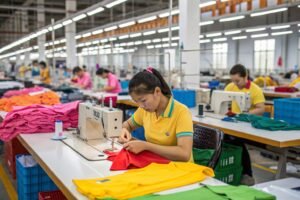
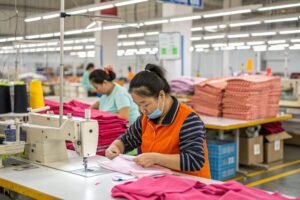
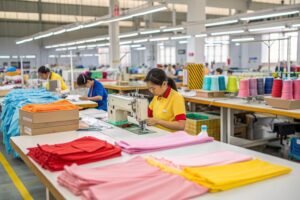
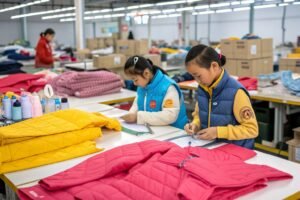
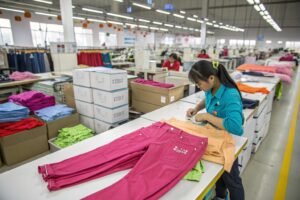
Look for a factory that is proactive about certifications, not just reactive. We, for example, have our production lines and key fabrics pre-certified. This speeds up the process for our clients. You should ask potential suppliers for their factory audit reports and certification copies. A trustworthy partner will also have a robust quality control system in place at every stage, from fabric inspection to final packaging. They should be able to explain their sourcing process and provide mill certificates for the fabrics they use. This level of transparency is crucial for avoiding the pain point of falsified documents you mentioned.
Why is a DDP service model important for hassle-free import?
Choosing a supplier that offers Delivered Duty Paid (DDP) terms can significantly reduce your logistical headaches. With DDP, the manufacturer handles all the risks and costs, including shipping, import duties, and taxes, until the goods arrive at your warehouse. This prevents unexpected charges and delays that can cause you to miss your selling season. It also means the supplier is managing the logistics with vetted partners, ensuring your certified, hypoallergenic garments are handled properly throughout the journey and delivered to you on time.
Conclusion
Selecting the right fabrics for hypoallergenic baby clothes is a strategic decision that directly impacts your brand’s success and customer satisfaction. By prioritizing certified organic cotton and bamboo viscose, understanding the importance of Oeko-Tex and GOTS labels, and avoiding uncertified synthetics, you can build a collection that parents trust. This knowledge empowers you to make informed sourcing choices that protect both the babies and your business.
Partnering with a manufacturer who shares this commitment to quality and transparency is the final, crucial step. If you are looking to develop a safe, high-quality, and profitable line of hypoallergenic baby clothing, we should talk. Contact our Business Director, Elaine, at elaine@fumaoclothing.com to discuss how Shanghai Fumao can become your reliable partner in creating exceptional children’s wear.