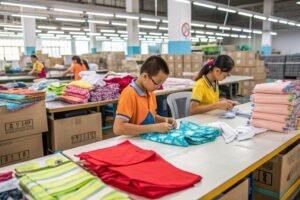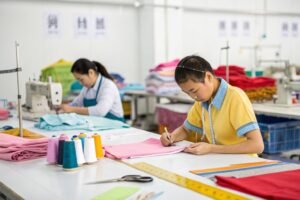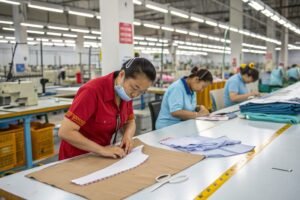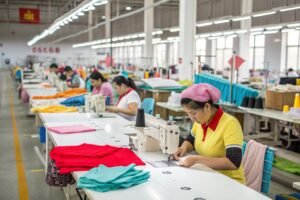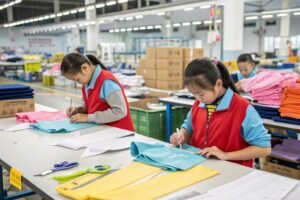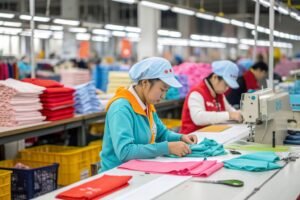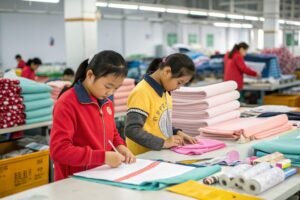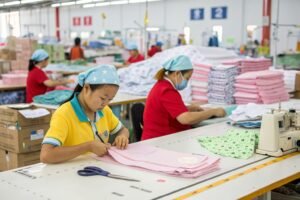

As a children’s clothing manufacturer, I see many brands focus on style but overlook a critical element: the fabric. When kids are running, jumping, and playing, their clothing needs to work as hard as they do. This is especially true for sportswear, where the right material can make the difference between a comfortable, fun activity and an irritable, overheated child. So, why exactly is breathable fabric non-negotiable for children’s activewear? The answer lies in safeguarding their health, enhancing their comfort, and ensuring their safety during physical activity.
Breathable fabric is essential for children’s sportswear because it actively manages moisture and regulates body temperature. This prevents skin irritations, keeps children dry and comfortable, and allows for unrestricted movement, which is crucial for both performance and safety during sports and play. For brands sourcing from manufacturers, understanding this technical aspect is key to delivering superior products. Let’s explore the compelling reasons why this should be a top priority in your next order and how it directly impacts your brand’s reputation and customer satisfaction.
What Are The Health Benefits Of Breathable Kids’ Sportswear?
When children engage in sports, their bodies generate heat and sweat. Non-breathable clothing traps this moisture, creating a damp environment next to their skin. This is more than just uncomfortable; it’s a health concern. Breathable fabrics are engineered to pull sweat away from the skin, a process known as moisture-wicking. This rapid drying effect is the first line of defense against common issues like heat rash and chafing. For a child with sensitive skin, this can be the difference between enjoying practice and suffering through it.
Beyond comfort, temperature regulation is a vital health benefit. Children are less efficient at regulating their body temperature than adults. Breathable fabrics facilitate air circulation, allowing excess body heat to escape. This prevents overheating during intense activities, helping to maintain a stable and safe core body temperature. This is a critical safety standard that all children’s activewear should meet. Furthermore, by keeping the skin dry, these fabrics reduce the risk of bacterial and fungal growth, promoting better overall skin health for the active child.

How does moisture-wicking fabric prevent skin irritation?
Moisture-wicking fabric works through capillary action, where tiny channels in the fibers pull sweat from the skin to the outer surface of the fabric, where it can evaporate quickly. This process keeps the skin relatively dry, reducing friction. When skin is damp, it becomes more susceptible to chafing and irritation from repetitive movement. By managing moisture, these fabrics create a protective, dry layer that minimizes skin-on-skin and fabric-on-skin friction, effectively preventing common problems like heat rash and blisters. This is a fundamental aspect of quality control in garment production.
Why is temperature control crucial for active children?
Temperature control is crucial because children are more vulnerable to heat-related illnesses. Their bodies produce more heat relative to their size, and they sweat less than adults, making it harder to cool down naturally. Breathable sportswear acts as a supportive layer, aiding the body’s own cooling mechanism. It allows heat and humidity to dissipate, preventing a dangerous buildup that can lead to heat exhaustion. This is not just about comfort; it’s a fundamental safety feature that protects a child’s well-being during physical exertion.
How Does Breathable Fabric Enhance Performance And Comfort?
Comfort is directly tied to performance. A child who is physically comfortable is more likely to be mentally focused and engaged in the activity. Breathable fabrics are inherently lighter and often more flexible than their non-breathable counterparts. This lightweight construction reduces the overall burden on a child’s body, allowing for more natural and unrestricted movement. Whether it’s a full stretch for a goal kick or a swift dash on the track, the clothing should move with the child, not against them.
The psychological boost should not be underestimated. When children feel dry, cool, and comfortable in their clothes, their confidence grows. They are less distracted by discomfort and more willing to push their limits and participate fully. This positive experience encourages a lifelong love for sports and physical activity. For your brand, this translates into higher customer satisfaction and loyalty. Parents notice when a garment performs well, and they will associate that positive experience with your label.

Can the right fabric improve a child’s athletic performance?
While fabric alone won’t make a child an elite athlete, the wrong fabric can certainly hinder performance. Breathable, moisture-wicking apparel removes significant physical and mental barriers. Physically, it prevents the heavy, sweat-soaked feeling that weighs a child down. Mentally, it eliminates the distraction of being wet and clammy. This allows the child to concentrate fully on the game or activity, leading to better coordination, endurance, and overall enjoyment. It’s about creating the optimal conditions for performance to flourish, which is a key value proposition for customizable sportswear lines.
What role does fabric weight play in movement freedom?
Fabric weight is a critical factor in ergonomic clothing design for children. Breathable activewear is typically made from fine, lightweight yarns and knitted into less dense constructions. This results in a garment that adds minimal weight and bulk. Less bulk means a greater range of motion at key joints like the shoulders, hips, and knees. Furthermore, many technical fabrics also incorporate a degree of mechanical stretch, or are blended with elastane, which further enhances flexibility and allows the garment to move in sync with the child’s body without resistance or binding.
What Should You Look For In Quality Breathable Materials?
Knowing that breathability is important is one thing; identifying the right materials is another. Not all synthetic fabrics are created equal. You should look for specific, proven technical textiles like polyester and nylon that have been engineered for moisture management. These materials are the backbone of modern performance wear. Natural fibers like cotton, while breathable, are not ideal for high-intensity sportswear as they absorb moisture and hold it against the skin, becoming heavy and slow to dry.
A key indicator of quality is the presence of international safety certifications. For children’s wear, look for standards like OEKO-TEX® STANDARD 100, which certifies that the textiles have been tested for harmful substances. This is a non-negotiable aspect of quality assurance that protects the end-user and shields your brand from liability. The construction of the garment also matters. Features like mesh panels under the arms or along the back provide targeted ventilation, further enhancing the cooling effect of the base fabric.

Which specific fabric types offer the best breathability?
For high-intensity activities, synthetic fabrics like polyester and nylon are superior. They are hydrophobic, meaning they repel water, and are excellent at moisture-wicking. A common and effective type is microfiber polyester, which has a very fine denier that creates a large surface area for rapid moisture evaporation. Another excellent option is polypropylene. While natural fibers like merino wool are known for their temperature-regulating properties and are suitable for variable conditions, for consistent, high-sweat activities in children’s sportswear, advanced synthetics are generally the most reliable and durable choice.
How can you verify a fabric’s quality and safety?
Verifying quality and safety requires a proactive approach. First, always request a test report from your supplier for the specific fabric. This report should come from an accredited third-party laboratory. Key tests to look for include moisture management (ASTM D737 or ISO 15496), colorfastness, and pilling resistance. For safety, insist on seeing a valid OEKO-TEX® STANDARD 100 or similar certification. As a manufacturer, we provide these documents upfront because transparent supply chain solutions build trust. Never work with a supplier who is hesitant or unable to provide proof of compliance.
How To Source Reliable Breathable Sportswear From A Manufacturer?
Finding a manufacturer who understands the technical and safety requirements of children’s breathable sportswear is the final, crucial step. Your ideal partner should have proven experience in producing performance wear for the European and American markets. They must have a deep understanding of the relevant quality standards and testing protocols. During your sourcing process, be very specific in your requests. Don’t just ask for "sportswear"; specify "moisture-wicking children’s sportswear made from certified fabrics."
Communication and reliability are just as important as technical capability. Choose a manufacturer who is transparent about their production cycles and logistics processes. They should be able to provide a clear timeline and have a robust system for quality control at every stage, from fabric inspection to final packing. A reliable partner will help you navigate challenges and ensure your products arrive on time, every time, so you never miss a selling season.

What questions should you ask a potential supplier?
To gauge a supplier’s expertise, ask direct, technical questions: "Can you provide the fabric composition and moisture-wicking test reports?" "Do your factories hold OEKO-TEX or GOTS certifications?" "What is your process for quality control during production?" "Can you explain your logistics and shipping options, including DDP terms?" Their answers will reveal their depth of knowledge and operational transparency. A professional manufacturer will welcome these questions and have detailed answers ready, demonstrating their commitment to a trustworthy B2B partnership.
Why is a manufacturer’s experience with export standards critical?
Experience with export standards is critical because it ensures your products will be accepted in your target market. A manufacturer familiar with North American and European regulations will understand labeling requirements, safety regulations like CPSIA and EN 14682, and the specific quality expectations of those regions. This expertise prevents costly delays, rejections at customs, or product recalls. It means they have already built a supply chain that is compliant and resilient, offering you a seamless and low-risk sourcing experience from production to your warehouse door.
Conclusion
In summary, breathable fabric is not a luxury for children’s sportswear; it is a fundamental requirement for health, comfort, and performance. From preventing skin irritation through effective moisture-wicking to enabling freedom of movement with lightweight materials, the benefits are clear and substantial. As a brand owner, prioritizing these technical aspects in your product line is a direct investment in customer satisfaction and brand loyalty. By understanding what constitutes quality breathable materials and knowing how to source them from a reliable, standards-compliant manufacturer, you can build a superior and trusted collection.
If you are looking to develop a high-performance children’s sportswear line with a focus on quality, safety, and reliable delivery, we are here to help. Partner with us for agile, dependable, and value-driven manufacturing. For a direct conversation about your production needs, please contact our Business Director, Elaine, at elaine@fumaoclothing.com. Let’s create exceptional sportswear together.