
Starting a new baby clothing brand is exciting. But it can also be overwhelming. You need to know what items are must-haves. Your collection needs to be both appealing and practical for new parents. Let’s break down the essentials you need to get right from the start.
A successful newborn clothing line balances delicate style with rugged practicality. The core items must prioritize supreme comfort, gentle materials, and easy dressing for parents. Essentials include bodysuits, footed pajamas, and gentle headwear, all designed to meet strict safety standards while capturing the timeless aesthetic of European and American baby fashion.
Choosing the right items is just the first step. The real challenge is sourcing a manufacturer who understands quality, safety, and timely delivery. A reliable partner ensures your designs come to life without compromising your standards or missing crucial market windows. Keep reading to discover how to build a foundational collection that sells.
What are the must-have newborn baby clothes?
Every new parent looks for certain key items. These are the foundation of any newborn wardrobe. As a brand, stocking these essentials ensures you meet core customer needs. These pieces are not just clothes. They are solutions to everyday parenting challenges.
The absolute must-haves are bodysuits, footed sleepers, and gentle headwear. Bodysuits, often called onesies, are the workhorse of baby wear. They are perfect for layering. Footed pajamas provide all-in-one comfort for sleep and play. Soft cotton caps are crucial for temperature regulation. Including these items shows you understand basic baby care.

Why are bodysuits the cornerstone of a newborn wardrobe?
Bodysuits are incredibly versatile. They feature envelope shoulders for easy over-the-head dressing. The snap closure at the crotch makes diaper changes simple. This design is a parent’s best friend. For your brand, offering bodysuits in multiple sleeve lengths and packs is key. This covers different seasons and bulk purchasing needs.
The fabric choice is critical. 100% combed cotton is the gold standard for its softness and breathability. As a manufacturer, we use this premium material to ensure comfort and meet strict Oeko-Tex standards. A well-made bodysuit lays the foundation for a parent’s trust in your entire brand. It is often the first item a baby wears. You must get it right. Partnering with a factory that understands fabric quality and construction, like those experienced in global apparel production, is essential for durability.
How do sleepers and playsuits ensure comfort and safety?
Footed sleepers, or playsuits, keep a baby warm and secure. They eliminate the need for separate socks and pants. Built-in mittens prevent face scratching. Non-slip grips on the feet are a great safety feature for older babies. These practical details make a product stand out.
Safety is paramount. Look for manufacturers who adhere to strict safety protocols. This includes avoiding loose buttons and using strong, secure snaps. All our garments comply with the Consumer Product Safety Commission (CPSC) regulations for children’s sleepwear. The design should always prioritize function alongside style. A safe sleeper is a best-selling sleeper. Understanding the broader landscape of children’s product safety can help brands ensure full compliance.
How to select baby-friendly fabrics for sensitive skin?
Newborn skin is delicate and highly sensitive. The wrong fabric can cause irritation and discomfort. Your choice of material is a direct reflection of your brand’s commitment to quality and care. It is a key selling point for discerning parents.
The best fabrics are natural, breathable, and certified. Organic cotton is the top choice. It is grown without pesticides, making it gentler. Bamboo viscose is another excellent option. It is incredibly soft and has natural temperature-regulating properties. Always look for certifications like GOTS (Global Organic Textile Standard) or Oeko-Tex Standard 100.

What are the benefits of organic cotton and bamboo?
Organic cotton is hypoallergenic. It allows for better air circulation, reducing the risk of overheating. This fabric is also highly durable and can withstand frequent washing. For brands, using organic cotton is a powerful marketing message. It shows a commitment to health and sustainability.
Bamboo fabric is naturally moisture-wicking and antibacterial. This helps keep the baby dry and comfortable for longer periods. It is also one of the softest fabrics available. However, the production process must be checked. We ensure our bamboo sourcing is environmentally responsible. Offering garments made from these advanced materials can set your brand apart in a competitive market. The demand for sustainable clothing is a major trend to leverage.
Why are certifications crucial for newborn apparel?
Certifications are your proof of safety. They are not just logos on a tag. They are a guarantee that the fabric has been tested for harmful substances. Parents today are informed. They look for these marks of trust. As a brand, this protects you from liability and builds credibility.
The Oeko-Tex Standard 100 certifies that every component of the garment is free from harmful levels of over 100 substances. Similarly, GOTS certification covers the entire supply chain, from harvesting to labeling. We provide these certifications with every shipment, giving our partners and their customers complete peace of mind. This rigorous approach to quality control is what separates reliable suppliers from the rest. Brands can learn more about these standards through resources like the American Apparel & Footwear Association.
What design details matter most for newborn wear?
Design in newborn clothing is about smart functionality. It is not just about cute prints. Every seam, closure, and fold has a purpose. Thoughtful design makes life easier for parents and ensures comfort for the baby. These details are what transform a simple garment into a preferred product.
The key design features include envelope necklines, lap shoulders, and tagless labels. Zippers should have protective guards. Seams should be flat-locked to prevent chafing. Accessibility is crucial for items that need to be put on and taken off frequently. A design that considers these aspects shows a deep understanding of the end-user.

How do functional features like mittens and two-way zippers help?
Built-in fold-over mittens are a simple but brilliant feature. Newborns have little control over their movements and can easily scratch their faces. These mittens protect them without the need for separate, losable accessories. This is a detail parents appreciate immensely.
Two-way zippers are a game-changer for midnight diaper changes. You can unzip the sleeper from the bottom, leaving the baby’s chest and arms still covered and warm. This avoids fully undressing a sleepy or fussy baby. At our factory, we insist on using high-quality YKK zippers for smooth, reliable operation. These functional investments lead to higher customer satisfaction and fewer product returns. Exploring the latest innovations in smart textiles can provide further ideas for functional enhancements.
Why prioritize ease of dressing and diaper changes?
New parents are often tired and managing many tasks. Clothing that is difficult to put on or take off adds unnecessary stress. Designs with wide neck openings, stretchy fabrics, and strategic snap placements simplify dressing a wriggling newborn.
The classic envelope shoulder design allows the bodysuit to be pulled down over the baby’s shoulders and body, not over their head. This is much less intimidating for a new baby. For footed pajamas, full-length zippers or a generous array of snaps make dressing straightforward. We design all our garments with these practical realities in mind, ensuring that partnering with us means providing a superior user experience. This focus on practical design is a core principle of modern apparel manufacturing.
How to ensure quality and safety in manufacturing?
Quality and safety are non-negotiable in the children’s wear industry. A single oversight can damage a brand’s reputation irrevocably. For business owners like Ron, consistent quality and verifiable safety are the primary concerns when sourcing from overseas manufacturers.
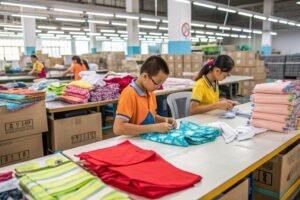
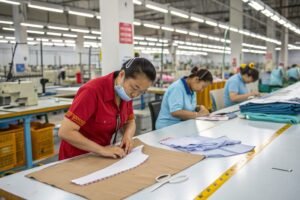
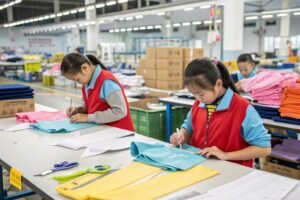
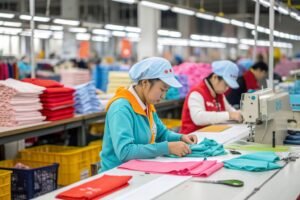
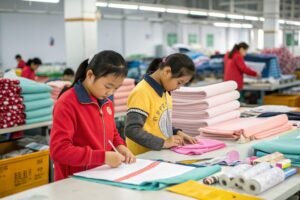
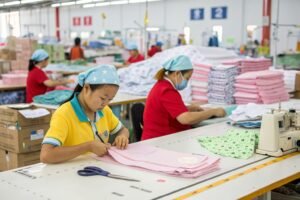
The process involves rigorous testing and strict factory audits. It starts with raw material inspection and continues through every stage of production. Final garments are tested for colorfastness, seam strength, and the presence of restricted substances. A professional quality control team is essential for maintaining these standards batch after batch.

What quality control steps prevent defects and delays?
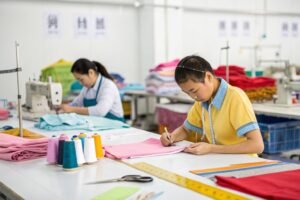
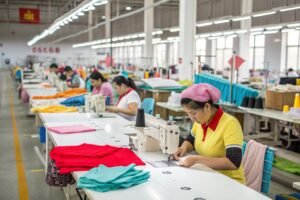
A proactive quality control system is built on three pillars: pre-production, in-production, and pre-shipment checks. Pre-production, we verify all fabrics, trims, and components against approved standards. During production, line supervisors continuously monitor stitching, sizing, and assembly.
The pre-shipment inspection is the final gate. A significant portion of the order is checked against a detailed checklist before it is packed. This process catches issues early, preventing costly delays and rejected shipments later. We have a track record of on-time delivery because our QC process is integrated and efficient. This systematic approach is a hallmark of a reliable clothing manufacturer.
Which safety standards and certifications should you require?
Your manufacturer must be compliant with the standards of your target market. For the USA, this includes CPSIA (Consumer Product Safety Improvement Act) which sets limits on lead and phthalates. Flammability standards for sleepwear are also critical.
For Europe, the CE mark and compliance with REACH regulations are key. We ensure all our garments meet these international requirements and provide the necessary test reports and certificates of compliance. This documentation is part of the service, giving you confidence and a smooth customs clearance process. Never partner with a factory that is vague or hesitant about certifications. Trust is built on transparency and verifiable proof. Brands can stay updated on regulatory changes through official channels like the U.S. Consumer Product Safety Commission.
Conclusion
Building a successful newborn clothing line requires a sharp focus on essential items, baby-friendly fabrics, thoughtful design, and uncompromising manufacturing quality. The core wardrobe of bodysuits, sleepers, and accessories forms the foundation. Choosing certified organic materials protects sensitive skin, while smart design features like two-way zippers and envelope necks offer real-world convenience. Ultimately, success hinges on a manufacturing partnership that guarantees safety, consistency, and reliability.
Ready to bring your high-quality newborn clothing line to life? Partner with a manufacturer that understands your need for excellence and timely delivery. Contact our Business Director, Elaine, today at elaine@fumaoclothing.com to discuss how we can support your brand’s growth with our expert manufacturing solutions.