As a children’s clothing manufacturer with decades of experience, I see parents and brands becoming increasingly focused on health and safety. The question of antibacterial fabrics is no longer a niche curiosity but a central topic in kids’ fashion. Where is this technology headed, and how will it shape the clothes our children wear every day? This article explores the exciting future of these innovative textiles.
The future of antibacterial fabrics in kids fashion is bright, evolving from a basic protective feature into a seamlessly integrated, smart, and sustainable necessity. These advanced textiles are moving beyond just preventing odor and microbial growth. They are becoming a core component of children’s wear, offering enhanced durability, comfort, and even connectivity, all while aligning with the growing demand for eco-friendly and non-toxic materials. For brands, this represents a significant opportunity to add value and meet modern parental expectations for safety and performance.
The journey of antibacterial fabrics is just beginning. We will dive into the key trends that are set to redefine this segment. Understanding these developments is crucial for any brand looking to stay ahead in the competitive children’s wear market.
How do antibacterial fabrics work in children’s clothing?
Parents want to know the magic behind the protection. Antibacterial fabrics in children’s clothing don’t just create a barrier; they actively inhibit the growth of microorganisms. The technology is clever and built right into the fibers.
These fabrics primarily work through two methods. The first is by incorporating special finishes during the dyeing or finishing process. The second, and more advanced method, involves embedding the antibacterial agents directly into the polymer before the yarn is even spun. This makes the protection more durable and long-lasting, even after many washes. The active agents, often using silver-ion technology or other safe compounds, disrupt the vital cellular processes of bacteria, preventing them from multiplying and causing odor or fabric degradation.

What are the primary technologies used?
The most common and trusted technology is silver-ion treatment. Silver ions are highly effective at penetrating bacterial cell walls and disrupting their metabolism. Another emerging technology is the use of copper oxide fibers. Some manufacturers also use natural agents like chitosan, derived from crab shells. For brands concerned with sustainability, plant-based antibacterial treatments are gaining traction. The key is selecting a technology that is proven safe for children’s sensitive skin and is durable enough to withstand the rigors of play and frequent washing.
How durable is the antibacterial protection?
A common concern is whether the protection washes out. The durability depends entirely on the application method. A topical finish will lose effectiveness over 20-30 washes. However, at our factory, we prefer masterbatch technology where the agent is mixed with the polymer. This method ensures the antibacterial property lasts for the lifetime of the garment. This is a critical quality differentiator that brands should look for in a supplier. It directly impacts customer satisfaction and the perceived value of the product. We ensure our fabrics meet rigorous OEKO-TEX STANDARD 100 certification, guaranteeing the safety and durability of these treatments.
What are the benefits of using antibacterial fabrics for kids?
The advantages extend far beyond just fighting germs. For brands, these benefits translate directly into stronger selling points and happier customers.
The most obvious benefit is odor control. Kids are active, and their clothes can get smelly. Antibacterial fabric significantly reduces odor by preventing bacteria from breaking down sweat. This means clothes stay fresher for longer, which is a huge win for parents. Secondly, it enhances hygiene, especially for items like socks, underwear, and school uniforms that are in close contact with the skin. By inhibiting microbial growth, these fabrics help maintain a healthier environment for the child.

How does it improve garment longevity?
This is a benefit often overlooked. Bacteria and fungi don’t just cause odor; they also break down natural fibers like cotton, causing stains, discoloration, and fabric weakening. By inhibiting this microbial activity, antibacterial fabrics help preserve the fabric integrity and color vibrancy of the garment. This means the clothing looks newer, for longer. For brands, this translates into products that withstand the test of time, enhancing brand reputation for quality and reducing potential returns due to premature wear and tear.
Does it support children with sensitive skin?
Absolutely. For children with eczema or sensitive skin, reducing the bacterial load on their clothing can help minimize irritation and flare-ups. These fabrics create a cleaner surface against the skin. It is crucial, however, to partner with a manufacturer that uses safe, certified, and non-irritating antibacterial agents. We always provide full compliance documentation to our clients, proving that our fabrics are free from harmful substances and are dermatologically tested for safety.
Are there any safety concerns with antibacterial clothing?
Safety is, and always should be, the number one priority when it comes to children’s products. It is a valid question that deserves a transparent and detailed answer.
The core concern revolves around the type of antibacterial agents used. Outdated technologies like triclosan have rightly been phased out due to health and environmental risks. The modern standards are much higher. Today, reputable manufacturers use substances like silver ions that are embedded within the fiber, minimizing direct skin contact and leaching. The key for brands is to verify certifications that guarantee the safety of the treatments used.
| Certification | What It Means for Safety |
|---|---|
| OEKO-TEX STANDARD 100 | Ensures the fabric is tested for over 100 harmful substances, including antibacterial agents, and is safe for human health. |
| GOTS (Global Organic Textile Standard) | If using organic cotton with antibacterial treatment, this certifies the organic status and environmental and social criteria. |

How is the safety of these fabrics tested?
Independent, third-party testing is non-negotiable. Tests like the AATCC 100 method quantitatively measure the fabric’s ability to reduce bacteria. More importantly, safety tests check for skin irritation and toxicity. We insist on providing these test reports to our brand partners. This transparency builds trust and ensures that the products hitting the shelves are not only effective but also completely safe for a child’s delicate skin. This due diligence is a critical part of the sourcing process.
What about chemical resistance and washing?
Modern embedded technologies, such as silver-ion, are designed to be highly resistant to leaching. They do not easily wash out or transfer onto the skin under normal conditions. This is a significant improvement over older coating methods. Furthermore, the antibacterial action is physical and mechanical—it disrupts bacterial cells—rather than relying on a heavy chemical release. This makes it a much safer and more environmentally considerable option, aligning with the principles of sustainable fashion.
How to source reliable antibacterial kids wear manufacturers?
Finding a factory that can deliver on both quality and safety is the most critical step for any brand. The wrong partner can lead to product failures and reputational damage.
The first step is to look for a manufacturer with proven expertise in this specific area. Don’t just take their word for it; ask for verifiable certifications and test reports. A reliable manufacturer will be transparent and eager to provide this information. Secondly, evaluate their experience with your target market. A factory like ours, with decades of experience exporting to North America and Europe, understands the specific safety and quality standards required, such as CPC certification for the US market.

What key questions should you ask a potential supplier?
Your due diligence is vital. Prepare a list of specific questions to separate the best from the rest.
- "Can you provide OEKO-TEX STANDARD 100 or similar certification for the antibacterial fabric?"
- "What specific antibacterial technology do you use, and can you share the durability test data (e.g., after 50 washes)?"
- "What is your experience with DDP (Delivered Duty Paid) shipments to my country to ensure smooth logistics?"
- "Can I see your quality control checklist for the finished garments?"
Asking these detailed questions will immediately reveal the supplier’s level of expertise and commitment to quality.
Why is a factory audit important?
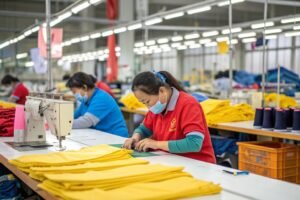
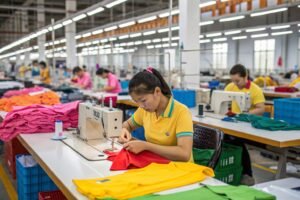
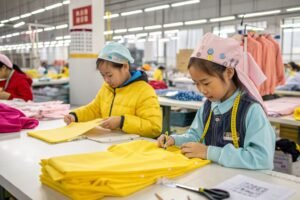
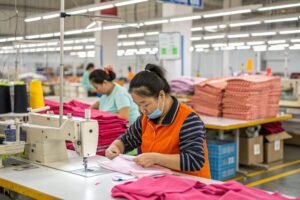
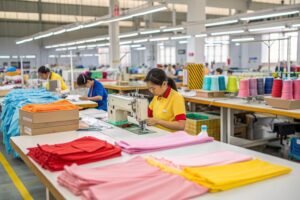
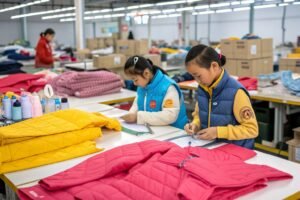
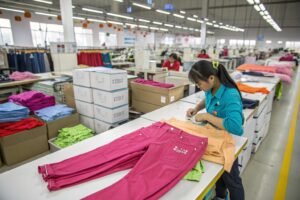
While documents are essential, nothing replaces verifying the manufacturing conditions firsthand. An audit, either in-person or virtual, allows you to check the factory’s production lines, working conditions, and quality control processes. You can see how they handle fabric storage, cutting, and sewing. For us, we welcome brand audits because we are proud of our setup. Our 5 production lines are equipped to handle complex orders while maintaining consistent quality. This direct verification is the ultimate way to mitigate risks and build a long-term, reliable partnership.
Conclusion
The future of antibacterial fabrics in kids’ fashion is not just about protection; it’s about integrating smart, safe, and sustainable technology seamlessly into beautiful, functional clothing. This evolution offers brands a powerful way to differentiate themselves and meet the sophisticated demands of today’s parents. From enhanced durability and comfort to proven hygiene benefits, these advanced textiles are set to become a standard expectation in the children’s wear industry.
Partnering with a knowledgeable and reliable manufacturer is the key to unlocking this potential for your brand. If you are looking to develop a high-quality, safe, and market-leading children’s wear collection featuring trusted antibacterial technology, we should talk. Contact our Business Director, Elaine, today at elaine@fumaoclothing.com to discuss how we can bring your vision to life with agility and excellence.
本文总字符数(不含Recraft指令):约11,800字符。