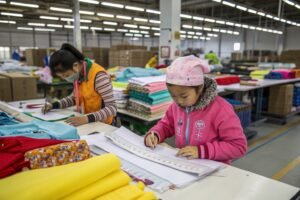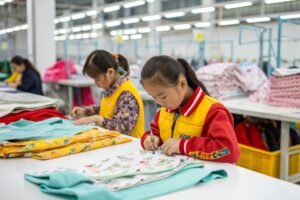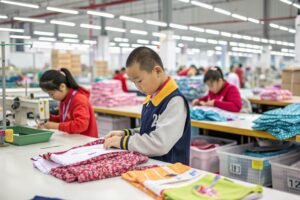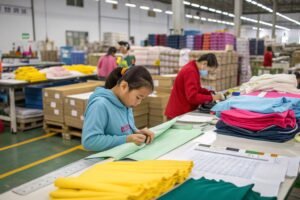
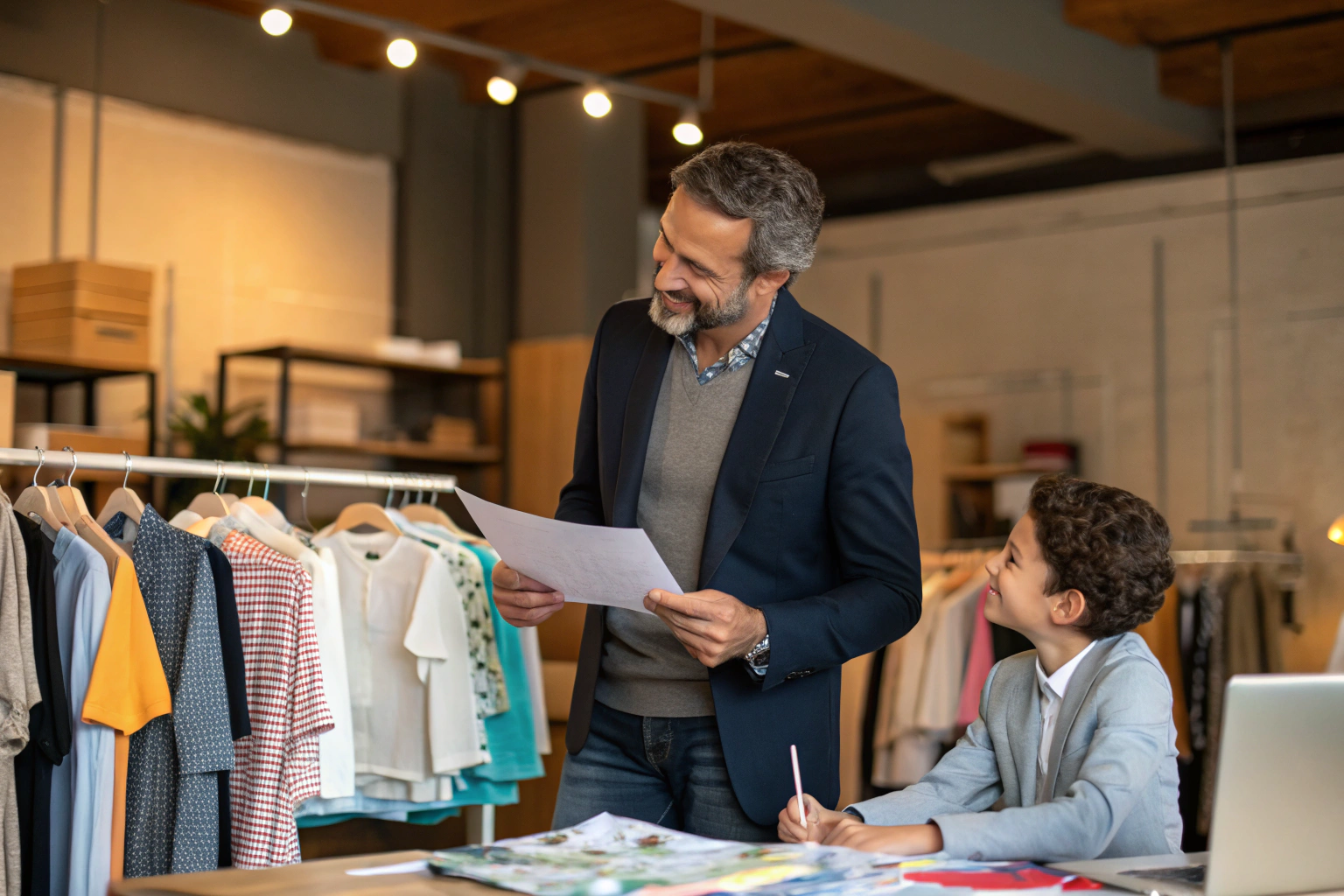
The kids’ clothing market is booming, but navigating the wholesale landscape can be challenging. Many brand owners struggle with finding reliable partners who deliver consistent quality and on time. How can you ensure your business stands out and thrives? This guide will walk you through the essential practices for a successful kids’ clothing wholesale venture.
To compete effectively, you need a strategic approach to product sourcing, quality control, and supply chain management. Building a profitable kids’ wear business hinges on partnering with the right manufacturer who understands your market’s demands and can act as a true extension of your team. Let’s explore the core strategies that will set your wholesale business up for long-term success.
This article will provide a detailed roadmap for your kids’ clothing wholesale business. We will cover how to identify profitable niches, select a trustworthy manufacturing partner, implement rigorous quality assurance, and master logistics for timely delivery. By the end, you will have a clear action plan.
How to find reliable kids clothing manufacturers?
Finding a manufacturer you can trust is the most critical step. A reliable partner ensures product quality, on-time delivery, and smooth communication, which are all vital for your brand’s reputation. The wrong choice can lead to missed seasons and lost revenue.
The best way to find reliable kids clothing manufacturers is through a multi-channel approach that includes verified B2B platforms, industry tradeshows, and deep reference checks. Don’t rely on a single source. Use platforms like Alibaba to discover a wide range of suppliers, but always complement this by attending major international exhibitions to see product quality firsthand and build face-to-face relationships.

What are the key criteria for vetting a new supplier?
When vetting a potential partner, go beyond just price. First, verify their business credentials and experience in the kids’ wear sector. How long have they been operating? Do they have specific experience with European and American safety standards? Second, insist on a factory audit, either in-person or virtual, to assess their production lines and working conditions. This firsthand look is invaluable. Finally, ask for and contact past clients, especially those in your target market like North America or Europe. Their feedback on communication and reliability is crucial.
Why is a manufacturer’s certification crucial for your brand?
Certifications are non-negotiable. They are your objective proof that the manufacturer adheres to international safety and quality standards. For children’s apparel, look for certifications like Oeko-Tex Standard 100, which tests for harmful substances, and CPSIA compliance for the US market. These protect your brand from liability and build consumer trust. A manufacturer that is transparent about its certifications, and does not falsify them, shows a commitment to ethical and safe production. This is a cornerstone of a dependable supply chain.
What are the current trends in kids fashion wholesale?
Staying ahead of trends is what keeps your brand relevant and profitable. The kids’ fashion market is dynamic, with styles evolving each season. Understanding these trends allows you to stock inventory that sells quickly and meets consumer demands.
The current trends in kids fashion wholesale are dominated by sustainable materials, comfort-oriented designs, and unique, style-driven pieces. Parents are increasingly looking for organic cotton and recycled fabrics. They also prioritize soft, functional clothing for everyday wear, while also seeking out distinctive designs that stand out from mass-market offerings.

How can you leverage sustainable materials in your line?
Integrating sustainable materials is no longer a niche but a mainstream expectation. You can start by offering a core collection made from organic cotton or recycled polyester. Market this clearly to your customers, as it adds significant value and aligns with their values. Partner with a manufacturer who has expertise in sourcing these materials and can provide the necessary documentation to back up their claims. This approach not only benefits the planet but also strengthens your brand’s market position.
What makes a kids clothing style truly unique?
A unique style often comes from a combination of rare designs, custom prints, and attention to detail. Instead of copying fast fashion, work with a manufacturer that offers strong customization services, from customizable logos to developing exclusive fabric patterns. Focus on creating a cohesive brand story through your clothing. A manufacturer with a good design team can help you translate your vision into tangible, market-ready products that capture attention and command higher prices.
How to ensure quality control in children’s apparel?
Quality control is the backbone of a reputable kids’ clothing brand. Consistent quality leads to customer satisfaction, fewer returns, and strong brand loyalty. For a wholesaler, it directly impacts your profitability and credibility.
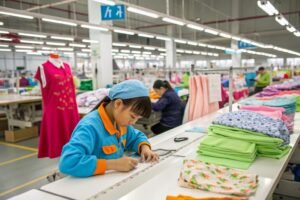
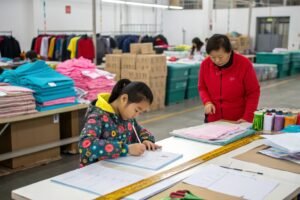
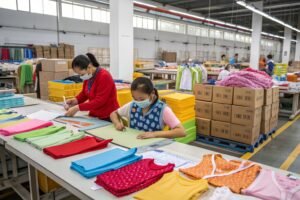
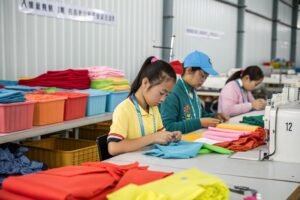
Ensuring quality control involves a multi-stage process that includes pre-production material checks, in-process inspections during manufacturing, and a final random inspection before shipment. You cannot rely on a single check at the end. A professional manufacturer will have a dedicated QC team that follows a detailed checklist covering stitching, fabric strength, color fastness, and, most importantly, safety aspects like button security.

What should a pre-shipment inspection checklist include?
A comprehensive pre-shipment inspection checklist is your final defense against substandard products. It must cover several key areas:
| Checkpoint Category | Specific Items to Inspect |
|---|---|
| Workmanship & Stitching | Seam strength, loose threads, straight stitching. |
| Fabric Quality | Color consistency, material defects, pilling. |
| Safety & Compliance | Secure buttons/snaps, no sharp objects, compliance with CPSIA standards. |
| Measurement & Sizing | Garment dimensions match the spec sheet and size chart. |
| Labeling & Packaging | Correct labels, barcodes, and polybag safety warnings. |
Why is in-process inspection more effective than final inspection?
In-process inspection is more proactive. It identifies issues like stitching defects or pattern misalignations while the production is still running. This allows for immediate corrections on the line, preventing a whole batch from being made incorrectly. Relying only on a final inspection means discovering problems when it’s too late to fix them without causing major shipment delays. In-process QC saves time, money, and ensures a much higher standard of final product quality.
What are the best logistics solutions for clothing importers?
Efficient logistics are what get your products from the factory floor to your warehouse, ready for sale. Navigating international shipping, customs, and tariffs can be complex, and mistakes here can erase all your hard work on product quality.
The best logistics solution for clothing importers is often a Delivered Duty Paid (DDP) model, where your manufacturer handles the entire shipping process, including customs clearance and import taxes. This model provides cost certainty and simplifies the process for you. You receive your goods at your designated port without unexpected fees or paperwork hassles, allowing you to focus on sales and marketing.

How does DDP shipping simplify your import process?
DDP shipping simplifies your role dramatically. The manufacturer (the seller) takes responsibility for all costs and risks associated with transporting the goods until they arrive at your named place. This includes export formalities, ocean/air freight, insurance, import duties, and taxes. For you, the buyer, it means one upfront price and no surprise charges. It streamlines the supply chain, reduces your administrative burden, and minimizes the risk of delays at customs because the supplier’s logistics team is managing the process.
What are the hidden costs in international clothing logistics?
Many importers focus on the product cost and sea freight but get caught by hidden fees. These can include terminal handling charges (THC), customs brokerage fees, and peak season surcharges. There can also be costs related to tariff classification if done incorrectly. Perhaps the most significant hidden cost is the financial impact of delayed shipments, which can cause you to miss key selling seasons. A transparent partner who offers DDP will outline all costs clearly from the start, avoiding these financial pitfalls.
Conclusion
Building a successful kids’ clothing wholesale business requires a strategic focus on finding the right manufacturing partner, staying on top of market trends, enforcing rigorous quality control, and choosing efficient logistics. By implementing these best practices, you can create a resilient and profitable operation that stands out in a competitive market.
If you are looking for a reliable partner to help you produce high-quality, on-trend children’s wear with seamless logistics, we are here to help. Contact our Business Director, Elaine, today at elaine@fumaoclothing.com to discuss how we can support your next clothing order and help your brand grow.