As a children’s clothing manufacturer, I see buyers constantly asking: what’s next in organic cotton? Staying ahead of trends is crucial for brands wanting to capture the market. This article breaks down the latest organic cotton baby clothes trends, from colors to designs, giving you the insider knowledge to make informed sourcing decisions.
The latest organic cotton baby clothes trends focus on earthy tones, gender-neutral designs, and sensory-friendly details. These styles meet modern parent demands for sustainable, safe, and stylish options. Brands that adopt these trends see higher customer satisfaction and increased sales.
The baby clothing market is evolving rapidly. Parents want more than just cute outfits. They seek products that align with their values. Organic cotton fits this need perfectly. It is soft, safe, and sustainable. In this article, we will explore the key trends shaping the organic cotton baby clothes sector. You will learn what styles are popular and why. This knowledge will help you choose the right products for your brand. Let’s dive into the details.
What colors are popular in organic cotton baby fashion?
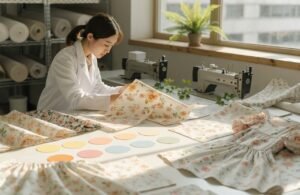
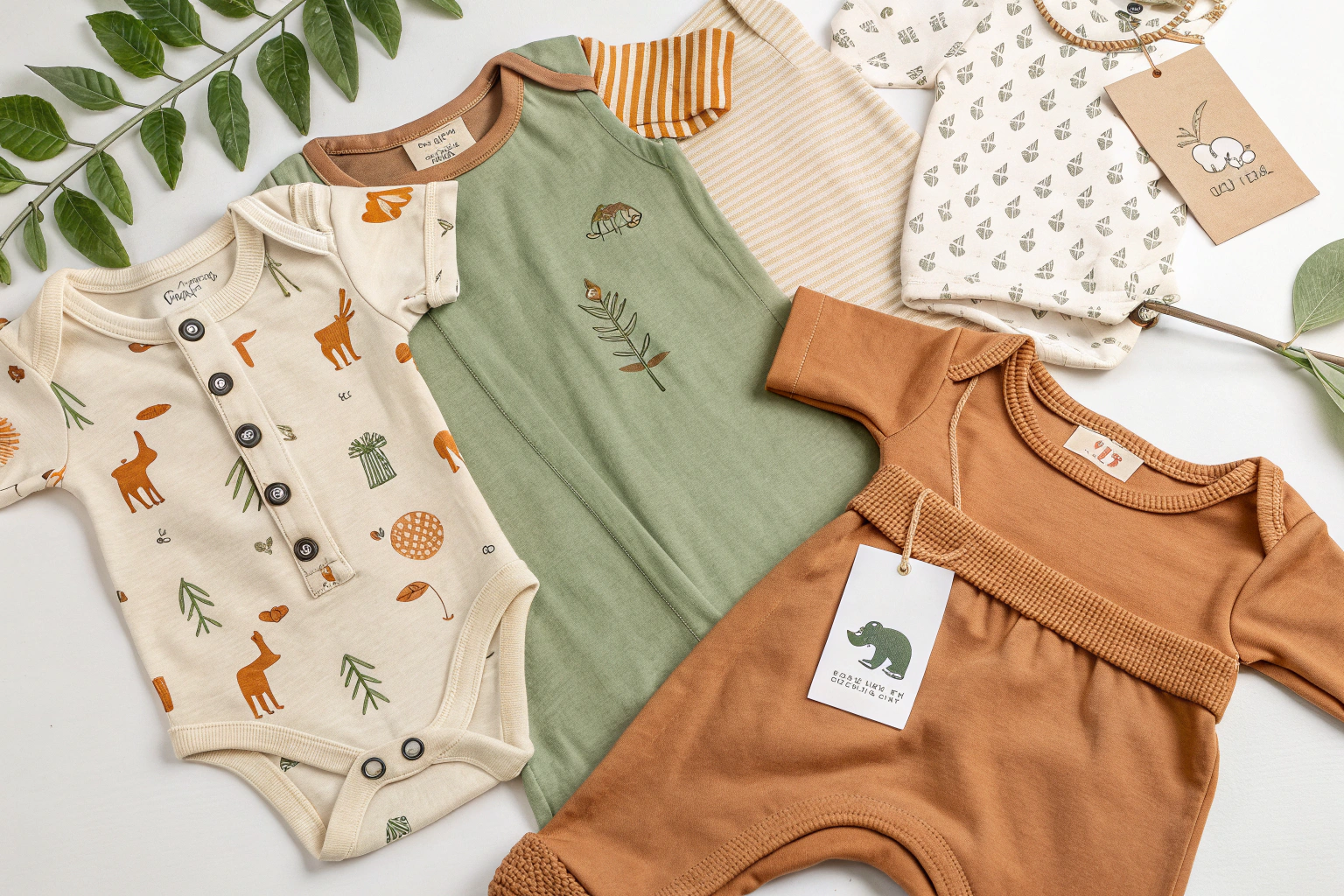
The color palette in organic cotton baby fashion has shifted. Gone are the days of only bright pinks and blues. Today’s trends are all about earthy and muted tones. These colors appeal to modern parents who prefer a natural and calm aesthetic for their little ones.
Earthy tones are dominating the market. Colors like beige, olive green, warm terracotta, and soft brown are highly sought after. These shades are versatile and gender-neutral. They also convey a sense of warmth and comfort, which resonates with the idea of natural and safe products. This shift is a direct response to consumer demand for more subtle and sophisticated baby clothing.

Why are earthy tones replacing traditional pastels?
Earthy tones offer a modern alternative to traditional pastels. Parents today are more design-conscious. They often share pictures of their children on social media. Neutral colors provide a stylish and cohesive look for these photos. Furthermore, these colors are less likely to fade dramatically after multiple washes, maintaining the garment’s premium appearance. From a manufacturing standpoint, using these dyes aligns with the eco-friendly ethos of organic cotton, as they often have a lower environmental impact.
How can brands leverage this color trend?
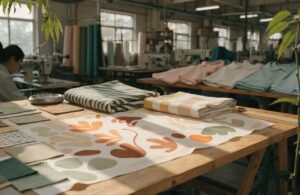
Brands can leverage this trend by building entire collections around these earthy palettes. It is not just about solid colors. Incorporating subtle patterns like minimalist animal prints or geometric shapes in these tones can enhance the collection’s appeal. Offering a cohesive color story makes it easier for retailers to merchandise and for parents to mix and match items. Sourcing fabrics pre-dyed in these popular colors from a reliable organic cotton fabric supplier can streamline production and ensure color consistency across your line.
What design features are trending in organic baby clothes?
Design in organic baby clothes is now focused on practicality, sensory development, and unisex appeal. Modern parents look for clothing that is easy to use, supports their baby’s development, and is not limited by gender stereotypes. These features are becoming standard in top-selling items.
The leading design trends include gender-neutral styles, sensory-friendly elements, and adaptive clothing for easy dressing. Unisex designs expand your market reach, as the same item can be sold for both boys and girls. Sensory features, like varied textures and integrated tags, support a baby’s exploration and learning. Adaptive designs, such as envelope shoulders and magnetic closures, make life easier for parents during diaper changes.

What makes sensory-friendly details so important?
Sensory-friendly details are crucial for infant development. Babies learn about the world through touch. Clothing with different textures—ribbed cuffs, smooth satin appliques, or crinkly labels—provides valuable tactile stimulation. This turns an everyday outfit into a developmental tool. For brands, highlighting these features can be a powerful marketing point, demonstrating a deeper understanding of children’s needs beyond basic aesthetics. Ensuring these garments meet global safety standards for children’s wear is paramount, guaranteeing that all added elements are securely attached and pose no choking hazard.
How does adaptive design improve customer satisfaction?
Adaptive design directly addresses common parent frustrations. Features like magnetic footies or snap-on mittens simplify the process of dressing a wriggling baby. This practical convenience leads to higher customer satisfaction and brand loyalty. When parents find a brand that makes their daily routine easier, they are more likely to become repeat customers. Implementing these designs requires close collaboration with your manufacturer to ensure the functionality is seamless and durable through countless washes and uses.
Why is sustainable certification crucial for organic cotton?
Sustainability is a major purchasing driver, but consumers are increasingly savvy. They look for proof of a brand’s environmental claims. Therefore, having verifiable certifications for your organic cotton products is no longer optional; it’s a necessity for building trust and credibility.
Certifications like GOTS (Global Organic Textile Standard) and OEKO-TEX provide independent verification that the cotton is grown without harmful pesticides and the final product is free from toxic substances. This transparency is highly valued by parents who are willing to pay a premium for guaranteed safety and sustainability. For brands, this certification can be a key differentiator in a crowded market.

What is the difference between GOTS and OEKO-TEX?
Understanding the difference between these certifications is key. GOTS is a comprehensive standard that covers the entire supply chain, from harvesting the cotton to labeling the final product. It ensures both organic status and socially responsible manufacturing. OEKO-TEX Standard 100, on the other hand, focuses specifically on testing the final product for harmful substances. While both are important, GOTS is often seen as the gold standard for organic textiles. Sourcing from a manufacturer that holds these certifications simplifies your own compliance process.
How do certifications impact brand perception and sales?
Certifications directly impact brand perception by providing tangible proof of your commitment to quality and ethics. They reduce the risk for buyers like Ron, who are sensitive to quality and wary of suppliers falsifying documents. By prominently displaying these certifications on your website and marketing materials, you instantly build trust. This can be the deciding factor for a buyer choosing between you and a competitor who lacks such credentials. It demonstrates a commitment to supply chain transparency and ethical production.
How to style organic cotton pieces for different seasons?
Styling organic cotton pieces for seasonal collections is about layering and versatility. The core of the collection remains the same—high-quality organic basics—but you add seasonal pieces and accessories to create fresh, relevant looks throughout the year.
The key is to build a core capsule wardrobe of neutral-colored organic staples. For spring/summer, introduce lighter layers like breathable muslin wraps and sun-protective hats. For fall/winter, add thicker items like ribbed cardigans and thermal leggings. This approach allows parents to get more use out of their core items while giving them a reason to shop each season for complementary pieces.

What are essential pieces for a seasonal capsule collection?
A successful capsule collection revolves around versatile essentials. The core items should include:
- Bodysuits (short and long-sleeve)
- Pants (leggings and joggers)
- Tops
| Season | Key Add-On Pieces | Key Colors |
|---|---|---|
| Spring/Summer | Sun hats, lightweight rompers, short-sleeve pajamas | Sage green, sky blue, soft yellow |
| Fall/Winter | Cardigans, thermal underwear, fleece-lined booties | Mustard, burgundy, charcoal grey |
These add-ons refresh the collection without requiring a complete overhaul, making your product development cycle more efficient and cost-effective.
How can accessories boost average order value?
Accessories are a powerful tool for increasing sales. A parent buying a simple organic cotton onesie might also be interested in a matching beanie or a pair of organic cotton socks. By styling complete outfits on your website and marketing materials, you encourage customers to buy the entire look. This not only increases the average order value but also strengthens your brand’s identity as a source for head-to-toe sustainable style. It’s an effective strategy for children’s fashion brands to maximize revenue from each customer.
Conclusion
The world of organic cotton baby clothes is dynamic and driven by consumer demand for sustainability, safety, and style. The trends are clear: earthy colors, practical and sensory-friendly designs, and verified certifications are what today’s market expects. By understanding and implementing these trends, your brand can stay competitive and meet the needs of modern families.
Ready to bring these trending organic cotton baby clothes to your brand? Partner with us to create high-quality, stylish, and certified collections that your customers will love. For a reliable manufacturing partnership, contact our Business Director, Elaine, at elaine@fumaoclothing.com. Let’s build your next best-selling line together.