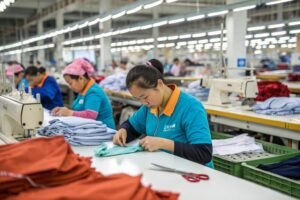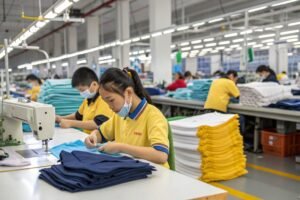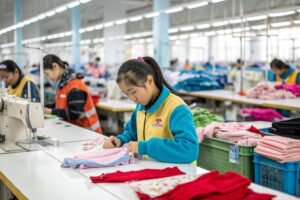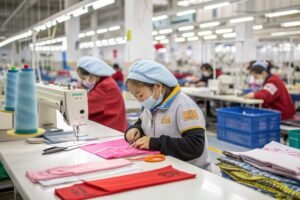

As a children’s clothing manufacturer with decades of experience, I’ve seen the industry evolve, with safety becoming the non-negotiable cornerstone of every garment we produce. For brand owners like you, navigating the complex web of safety standards is not just about compliance; it’s about building trust with your customers and protecting your brand’s reputation. Understanding these factors is your first line of defense in a competitive market.
The key factors for kids clothing safety standards are a combination of regulated material requirements, strict physical and mechanical safety tests, and verified chemical compliance, all backed by credible certifications. These elements work together to ensure that every piece of clothing is safe for a child’s sensitive skin and active lifestyle, preventing risks from choking hazards to toxic exposures. For US and European brands, adhering to standards like the CPSIA and OEKO-TEX® is fundamental to market access and consumer confidence.
Let’s delve into the critical components that define children’s wear safety, ensuring your next sourcing decision is both informed and secure.
What are the essential safety certifications for children’s clothing?
When you’re sourcing kids’ wear, certifications are your quickest visual proof of safety. They are the independent verification that a manufacturer takes safety as seriously as you do. Without them, you are assuming all the risk.
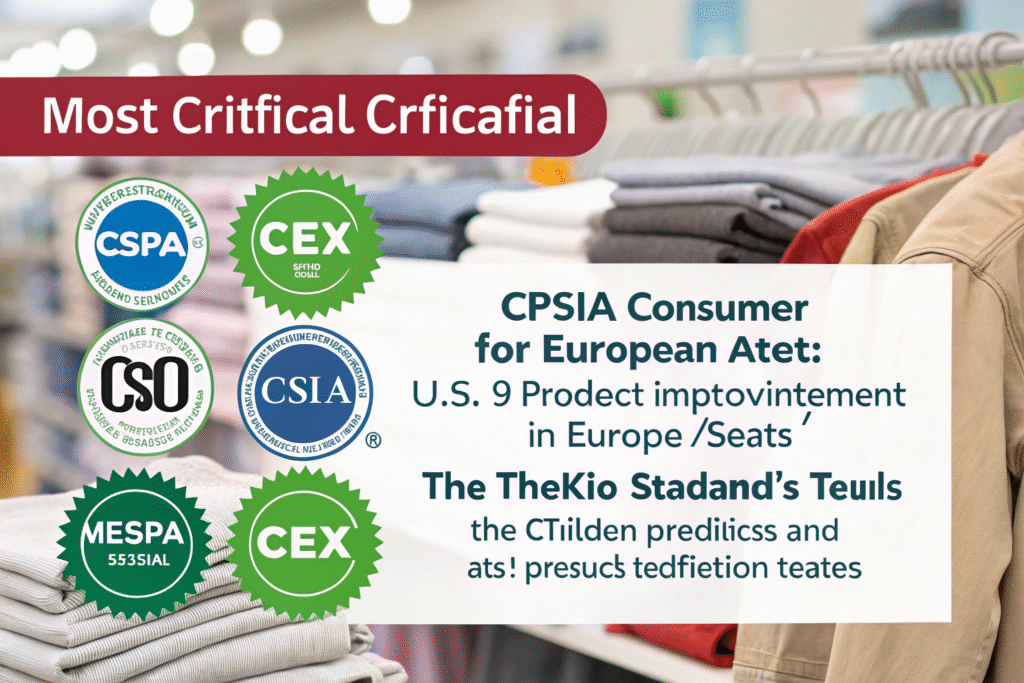
The most critical certifications for the US and European markets are the CPSIA (Consumer Product Safety Improvement Act) for the US and the OEKO-TEX® STANDARD 100 for Europe. The CPSIA regulates lead content and phthalates in children’s products and requires tracking labels. The OEKO-TEX® certification tests for harmful substances, ensuring every component of the garment, from thread to button, is safe for human ecology. Another key standard is the CPSIA tracking label, which helps in product recalls and is a legal requirement in the US.
Why should you insist on OEKO-TEX® certified fabrics?
Insisting on OEKO-TEX® certified fabrics is a direct commitment to chemical safety. This certification is globally recognized and provides assurance that the textiles have been tested for over 100 harmful regulated and unregulated substances. For a children’s wear brand, this means the fabric against a child’s skin is free from allergens, carcinogens, and heavy metals. We ensure all our knitted garments use OEKO-TEX® certified fabrics, giving our partners peace of mind. This is a proactive step beyond basic legal requirements, significantly enhancing your brand’s value proposition to safety-conscious parents. You can learn more about the specific tested substances on the official OEKO-TEX® website.
How does CPSIA compliance protect your business?
CPSIA compliance is not optional; it is a legal shield for your business. It protects you from costly recalls, legal penalties, and brand damage. By sourcing from a CPSIA-compliant manufacturer like us, you ensure that your products meet the strict limits for lead and phthalates. We provide all the necessary CPSIA compliance documentation and tracking labels, making your import process into the US smooth and defensible. This compliance is a fundamental part of our quality assurance process, embedded from the fabric sourcing stage through to the final garment.
How to ensure physical safety in kids’ wear design?
Physical safety in kids’ wear focuses on eliminating choking hazards, entanglement risks, and sharp points. The design phase is where these risks are most effectively mitigated. It requires a deep understanding of both standards and children’s behavior.
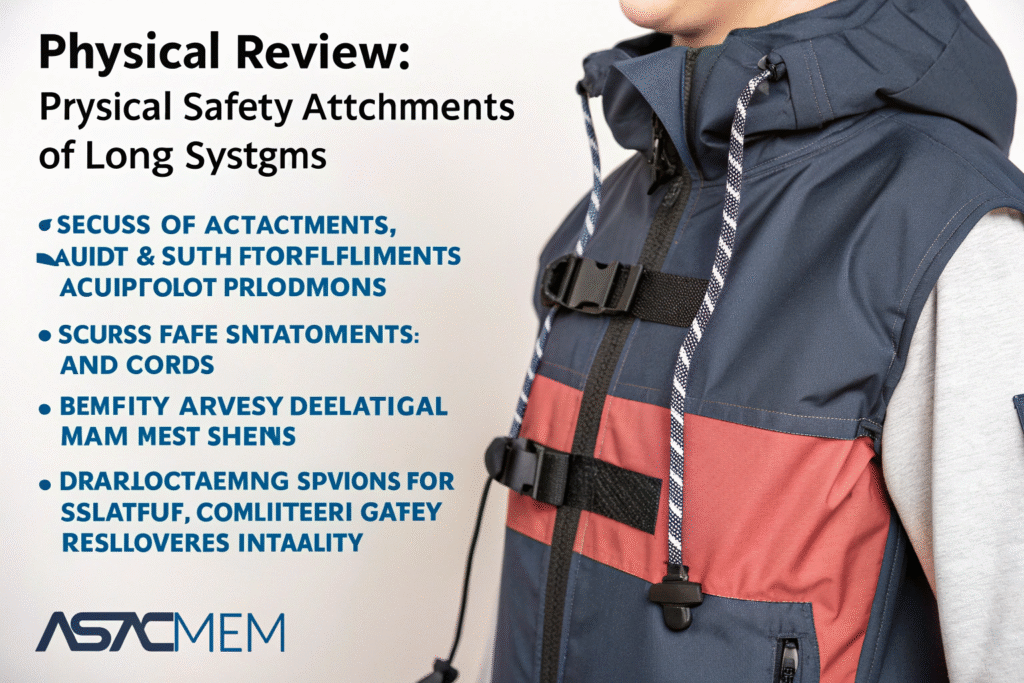
Designing for physical safety involves a meticulous review of every component. This includes the secure attachment of trims, the use of safe closure systems, and the avoidance of long cords or loops, especially around the neck. The ASTM F1816 standard specifically addresses drawstrings on children’s upper outerwear, a common area of concern. Our design team is trained in these standards, ensuring that style never compromises safety.
Are drawstrings and trims safe for children’s clothing?
Drawstrings and certain trims pose significant risks if not managed correctly. Drawstrings on the hood and neck area can lead to entanglement and strangulation. As a rule, we avoid them in designs for younger children. For trims like buttons and sequins, the key is their attachment strength. We perform rigorous pull tests to ensure they cannot be detached easily, preventing them from becoming choking hazards. Adhering to the ASTM International safety standards for trims and closures is a non-negotiable part of our production process.
What is the importance of flammability testing?
Flammability testing is a critical, often legally mandated, safety factor, particularly for children’s sleepwear. The goal is to ensure that fabrics resist ignition and, if they do catch fire, burn slowly to allow a child to escape. In the US, children’s sleepwear must meet the strict criteria of CPSC 16 CFR Part 1615 and 1616. We use inherently flame-resistant fabrics or treat them to meet these standards, providing verified safety for one of the most vulnerable categories of children’s apparel. The U.S. CPSC guidelines on sleepwear clearly outline these requirements.
| Safety Feature | Risk Mitigated | Common Standard/Test |
|---|---|---|
| Secure Attached Trims | Choking Hazard | ASTM F963 – Physical Safety |
| No Neck Drawstrings | Strangulation | ASTM F1816 – Drawstrings |
| Flammability Resistance | Severe Burns | 16 CFR Part 1615 (Sleepwear) |
| Lead & Phthalate Limits | Toxicity & Poisoning | CPSIA (Sections 101 & 108) |
| Fabric Pilling & Abrasion | Irritation & Discomfort | Martindale / Pilling Test |
What material qualities define safe children’s apparel?
The foundation of a safe garment is its material. The right fabric choice ensures comfort, durability, and non-toxicity. It’s the first layer of protection for a child’s sensitive skin.
Safe materials for children are typically soft, breathable, hypoallergenic, and durable. Organic cotton is a prime example, grown without toxic pesticides, making it gentler on skin. Fabrics should also have good colorfastness to prevent dyes from leaching onto skin or other garments. We prioritize GOTS (Global Organic Textile Standard) certified organic cotton and other skin-friendly materials that meet the highest safety benchmarks for our partners.

Why is organic cotton a superior choice for kids?
Organic cotton is superior because its cultivation process prohibits the use of synthetic pesticides and fertilizers. This results in a fabric that is not only better for the environment but also significantly reduces the risk of chemical residue irritating a baby’s delicate skin. For your brand, marketing garments made from GOTS certified organic cotton communicates a powerful message of purity and care. It aligns with the growing consumer demand for sustainable and safe products. You can find detailed information on the benefits of organic cotton from the Textile Exchange.
How does fabric breathability and durability impact safety?
Fabric breathability and durability are directly linked to comfort and physical safety. Breathable fabrics like cotton and bamboo viscose allow air to circulate, regulating body temperature and reducing the risk of overheating. Durability ensures the garment can withstand repeated washing and rough play without wearing thin, pilling excessively, or losing its shape. A durable garment maintains its integrity, preventing seams from splitting or trims from loosening, which could create unexpected hazards. Our fabrics are tested for these qualities to ensure long-lasting safety and comfort.
How to verify a supplier’s commitment to safety standards?
Verifying a supplier’s commitment goes beyond checking a certificate on a wall. It requires a proactive approach to audit their processes, communication, and track record. Your brand’s integrity depends on this due diligence.
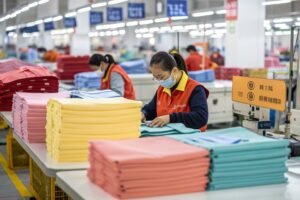
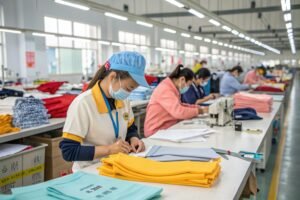
A trustworthy supplier will be transparent and eager to share their compliance documentation and factory audit reports. They will have a dedicated quality control team and will be knowledgeable about the specific standards of your target market. Ask for proof of testing from accredited third-party labs, not just in-house reports. At our factory, we welcome virtual tours and provide full access to our quality control protocols and certification records for potential partners.

What questions should you ask about quality control processes?
You should ask specific, process-oriented questions. "What are your in-line and final inspection procedures?" "How do you test the physical strength of attachments like buttons?" "Can you show me your chemical testing reports for this fabric batch?" "What is your protocol if a failed test occurs?" Their answers will reveal the depth of their commitment. A supplier with a robust system will have clear, documented answers. For instance, our quality control is integrated at every stage, from fabric inspection to pre-shipment audits, ensuring issues are caught and corrected early.
Why are third-party lab tests non-negotiable?
Third-party lab tests are non-negotiable because they provide objective, unbiased verification of safety claims. In-house tests can be useful for internal monitoring, but they lack the credibility of an independent assessment. For you, the importer, these third-party reports are your legal and commercial evidence of compliance. We regularly use internationally accredited labs to test our products, and we provide these reports to our clients, ensuring a transparent and trustworthy partnership from the start. The International Consumer Product Health and Safety Organization is a resource for understanding global safety protocols.
Conclusion
Understanding and implementing these key factors for kids’ clothing safety standards is fundamental to building a successful and responsible children’s wear brand. From verified certifications and thoughtful design to premium material selection and rigorous supplier verification, each element plays a critical role in protecting the end-user and your business. Partnering with a manufacturer who prioritizes these factors from the outset is the most effective strategy to mitigate risk and ensure market success.
We invite you to experience the Fumao Clothing difference. Let us help you produce your next children’s clothing order with the highest safety standards, competitive pricing, and reliable DDP logistics. For a direct conversation about your needs, please contact our Business Director, Elaine, at elaine@fumaoclothing.com. Let’s build a safer future for children’s fashion, together.