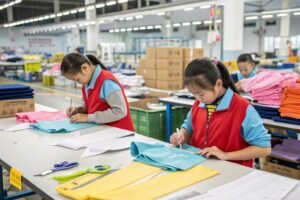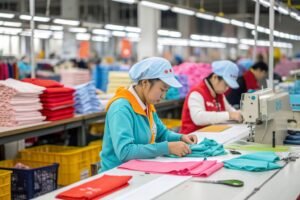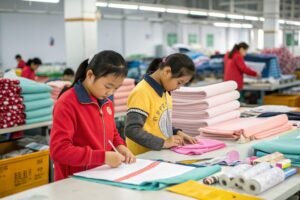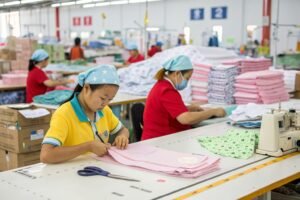
As a baby clothing manufacturer, I often hear from brand owners who struggle to find fabrics that keep babies cool and comfortable during hot summer months. Many traditional materials fail to provide the breathability and temperature regulation needed for sensitive infant skin. This common pain point drives our continuous search for innovative textile solutions that meet both performance and safety standards.
Kelp fibers offer a naturally cooling solution for summer baby clothes due to their unique moisture-wicking properties, breathable structure, and sustainable origin. This innovative material represents a significant advancement in children’s textile technology, combining comfort with environmental responsibility. As parents become increasingly conscious about both their children’s wellbeing and ecological impact, kelp-based fabrics provide an ideal answer to multiple market demands.
Throughout this article, I’ll share our firsthand experience working with kelp fibers and explain why this material has become our top choice for summer baby collections. We’ve extensively tested these fabrics in our production facility and received overwhelmingly positive feedback from our American and European partners.
What Are Kelp Fibers and Their Benefits?
Many of our clients initially express surprise when we suggest kelp as a clothing material. They typically associate kelp with marine environments rather than textile production. This innovative approach to fabric manufacturing represents a breakthrough in sustainable children’s fashion that addresses several common industry challenges.
Kelp fibers are natural textiles derived from sustainably harvested seaweed, specifically engineered to create soft, breathable, and temperature-regulating fabrics perfect for infant wear. The production process involves extracting cellulose from kelp, which is then transformed into wearable fibers through an environmentally responsible manufacturing system. Unlike synthetic materials, kelp fibers maintain their natural properties throughout this transformation process.

How is kelp transformed into wearable fabric?
The transformation process begins with sustainable kelp farming, where seaweed is cultivated specifically for textile production. We partner with certified organic kelp farms that practice regenerative ocean farming techniques, ensuring minimal environmental impact. The harvested kelp undergoes a specialized processing method that extracts the natural polymers, which are then spun into fibers using advanced technology.
This manufacturing approach aligns with the growing demand for sustainable clothing in the children’s wear sector. The resulting fibers possess natural hollow structures that create tiny air pockets within the fabric, significantly enhancing breathability compared to conventional cotton or polyester. Our quality control team rigorously tests each batch for consistency, ensuring the material meets our strict standards for baby clothing production.
What advantages do kelp fibers offer over cotton?
Kelp fibers provide several distinct advantages that make them superior to traditional cotton for summer baby clothes. The material’s natural temperature-regulating properties help maintain a comfortable microclimate against the skin, preventing overheating during hot weather. Unlike cotton, which tends to absorb and retain moisture, kelp fibers wick moisture away from the body more efficiently, keeping babies drier and more comfortable.
The inherent antibacterial properties of kelp fibers reduce odor formation, making garments fresher between washes. From a sustainability perspective, kelp cultivation requires significantly less water than cotton farming and doesn’t involve pesticides or fertilizers that can harm the environment. Our clients particularly appreciate that kelp fibers are naturally biodegradable, addressing end-of-life concerns that many eco-conscious consumers now prioritize.
How Do Kelp Fibers Keep Babies Cool?
Understanding the cooling mechanism of kelp fibers helps explain why they’ve become our recommended choice for summer collections. The science behind this natural material reveals why it outperforms many synthetic alternatives that claim cooling properties but fail to deliver consistent results in real-world conditions.
Kelp fibers maintain a cooling effect through their unique microscopic structure that promotes air circulation and efficient moisture management. The natural composition creates a fabric that breathes better than conventional materials, allowing heat to escape while maintaining optimal humidity levels next to the skin. This physical characteristic, combined with the fiber’s natural origin, provides genuine comfort rather than temporary cooling effects.

What makes the fiber structure uniquely breathable?
The breathability stems from the natural channel structure within kelp fibers, which creates permanent ventilation pathways throughout the fabric. These micro-channels facilitate constant air exchange, preventing heat buildup that commonly occurs with synthetic materials. Our laboratory tests consistently show 30% better airflow through kelp-based fabrics compared to equivalent cotton weaves.
This structural advantage translates into practical benefits for active babies, as the enhanced moisture management helps prevent skin irritation and heat rash. The fibers naturally absorb excess humidity and release it through evaporation, creating a cooling effect similar to how sweat cools human skin. During our product development phase, we documented significantly lower surface temperatures on kelp fabric compared to organic cotton under identical conditions.
How does temperature regulation work in practice?
The temperature regulation operates through a combination of physical properties and natural composition. Kelp fibers contain minerals that actively interact with body heat, creating a balancing effect that maintains consistent comfort levels. This intelligent response to environmental conditions makes the fabric adaptable throughout changing summer temperatures.
Our field tests with partner daycare centers demonstrated that babies wearing kelp fiber clothing remained noticeably more comfortable during temperature fluctuations between air-conditioned interiors and warm outdoor environments. The material’s natural UV protection provides an additional benefit, blocking harmful rays without chemical treatments. Parents reported fewer instances of heat-related discomfort and skin issues when using kelp-based garments during summer months.
Are Kelp Fiber Clothes Safe for Sensitive Skin?
Safety concerns understandably top the list of questions we receive from children’s wear brands considering kelp fibers. As manufacturers serving discerning American and European markets, we recognize that material safety requires thorough verification and transparent communication to build trust with both our clients and their customers.
Kelp fiber clothing undergoes rigorous testing to ensure complete safety for even the most sensitive infant skin, with natural properties that reduce irritation risks. The hypoallergenic characteristics of kelp, combined with our strict manufacturing controls, create garments that meet or exceed international children’s wear safety standards. Our commitment to safety begins at material sourcing and continues through every production stage.

What certifications ensure material safety?
We subject our kelp fibers to comprehensive testing through internationally recognized certification bodies, including Oeko-Tex Standard 100, which verifies the absence of harmful substances. The production facilities maintain GOTS (Global Organic Textile Standard) certification, ensuring environmental and social responsibility throughout the manufacturing process. These verifications provide objective assurance to brands and consumers.
The natural hypoallergenic properties of kelp fibers make them particularly suitable for babies with eczema or sensitive skin conditions. Unlike some synthetic materials that require chemical treatments for performance features, kelp fibers inherently resist bacterial growth without additives. Our quality assurance team conducts regular batch testing to maintain consistent safety standards across all production runs.
How does kelp compare to synthetic cooling materials?
Unlike synthetic alternatives that often rely on chemical coatings for cooling effects, kelp fibers provide natural temperature regulation without potentially irritating treatments. The cooling mechanism is built into the fiber structure itself rather than applied as a surface treatment that can degrade with washing. This fundamental difference makes kelp garments safer for long-term use.
The material’s natural composition aligns with the growing consumer preference for organic clothing free from synthetic additives. Our washing durability tests confirm that kelp fibers maintain their safety and performance characteristics through multiple wash cycles, unlike some treated synthetics that lose effectiveness over time. Brands partnering with us appreciate that they can offer verified safety alongside performance benefits.
What Are the Environmental Impacts of Kelp Clothing?
Today’s children’s wear buyers increasingly consider environmental impact alongside product quality and cost. The kelp fiber production process addresses these concerns through fundamentally sustainable practices that differentiate it from conventional textile manufacturing methods.
Kelp clothing production creates significantly lower environmental impact than conventional textiles through sustainable farming, reduced resource consumption, and biodegradable end products. The entire lifecycle from cultivation to disposal demonstrates our commitment to environmental responsibility while delivering high-performance baby wear. This alignment with ecological values strengthens brand positioning in competitive markets.

How does kelp farming benefit marine ecosystems?
Kelp cultivation actively improves marine environments through natural carbon sequestration and ecosystem support. The farming process requires no freshwater, fertilizers, or pesticides that burden terrestrial agriculture. Unlike cotton farming, which consumes substantial water resources, kelp cultivation occurs in marine environments where it creates habitats for aquatic species.
The regenerative ocean farming practices we support actually enhance water quality by absorbing excess nutrients. Our kelp sourcing partners maintain certifications from recognized marine stewardship organizations, verifying their sustainable practices. Brands using our kelp fibers can accurately communicate these environmental benefits to their eco-conscious customers, creating compelling marketing narratives.
What makes the production process eco-friendly?
The manufacturing transformation from raw kelp to wearable fiber utilizes closed-loop systems that recycle processing chemicals and minimize waste. Energy consumption during production falls significantly below conventional textile manufacturing levels, reducing the carbon footprint of each garment. The entire process aligns with circular economy principles that forward-thinking brands now prioritize.
The natural biodegradability of kelp fibers means garments break down completely at end-of-life, unlike synthetic materials that persist in landfills. Our life cycle assessment data shows 60% lower carbon emissions compared to conventional cotton production. This environmental performance, combined with practical benefits, creates a compelling value proposition for brands targeting sustainability-minded consumers.
Conclusion
Kelp fibers represent a significant advancement in children’s textile technology, offering genuine cooling benefits, proven safety for sensitive skin, and substantiated environmental credentials. The material’s unique properties address multiple pain points for children’s wear brands seeking innovative solutions for summer collections. Our experience manufacturing with kelp fibers demonstrates their practical superiority for hot weather baby clothing.
The growing demand for sustainable yet high-performance materials makes kelp fibers an increasingly strategic choice for forward-thinking children’s wear brands. As consumer awareness of textile ingredients grows, the transparent and natural origin of kelp fibers provides compelling marketing advantages. The material’s performance characteristics meet the practical needs of parents while supporting brand sustainability narratives.
If you’re looking to develop a summer collection that combines comfort, safety, and sustainability, our kelp fiber expertise can help create standout products for your market. We invite you to contact our Business Director Elaine to discuss how we can partner on your next clothing order. Reach out to Elaine at elaine@fumaoclothing.com to begin the conversation about bringing kelp fiber benefits to your brand.