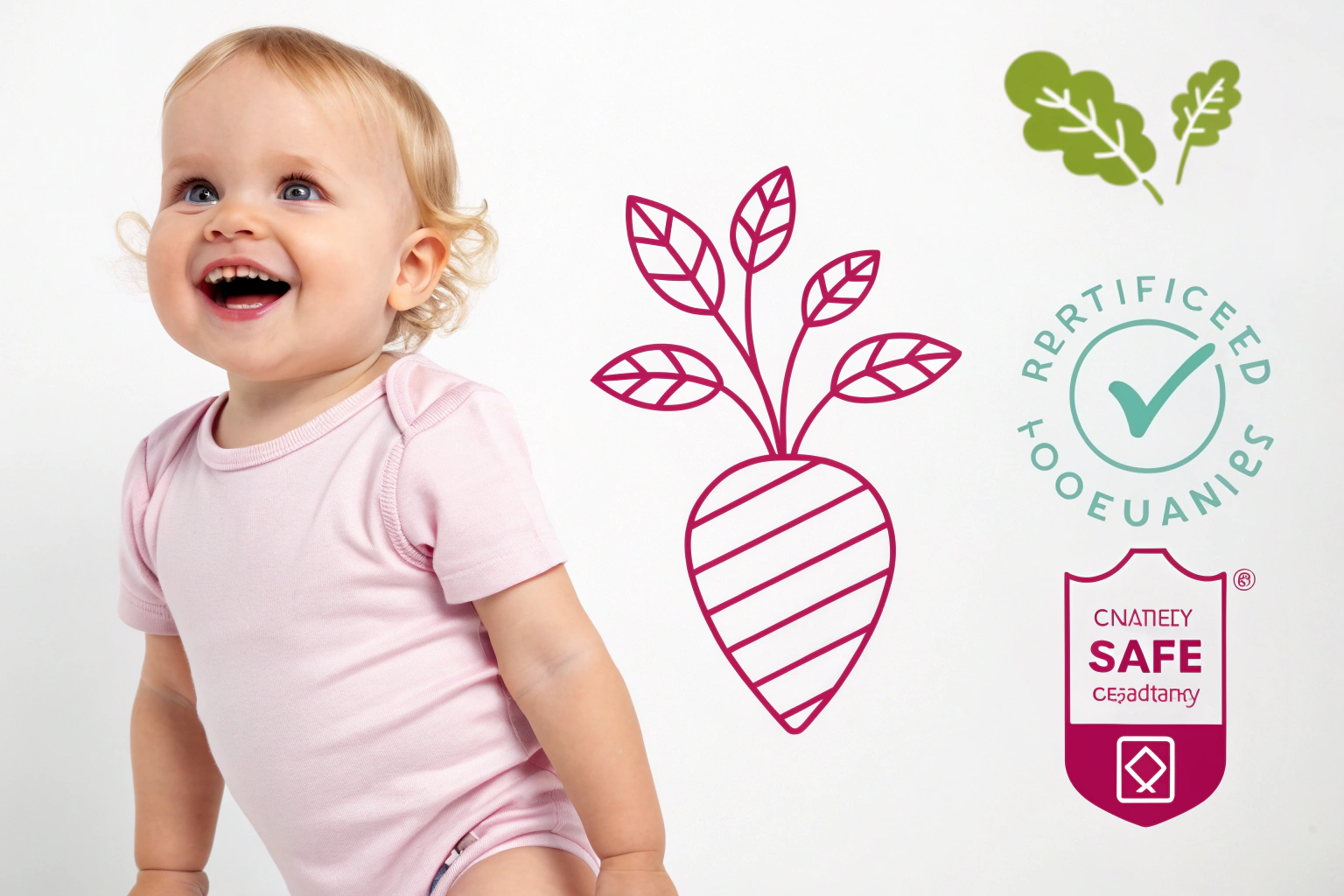
As a parent or a children’s wear brand owner, you want the best for kids. You look for clothes that are soft, cute, and safe. But what about the dyes used to create those beautiful colors? Natural dyes, like those from beetroot, sound appealing. But are they truly safe for a baby’s delicate skin? This question is crucial for anyone involved in bringing children’s apparel to market.
Yes, beetroot dyes are generally safe for baby clothing due to their natural origin. However, safety is not just about the source. It involves a rigorous process of testing and certification to ensure the final garment is non-toxic and hypoallergenic. As a children’s clothing manufacturer with decades of experience, we understand that true safety comes from combining safe materials with strict, verifiable production standards. This article will explore the realities of using natural dyes like beetroot in kids’ fashion.
Keep reading to uncover the full picture. We will separate fact from fiction and provide you with the knowledge to make informed sourcing decisions for your brand.
What are the benefits of using natural dyes in children’s wear?
Many brands are turning to natural dyes for their kids’ lines. The appeal is obvious: a return to simpler, earth-friendly ingredients. But beyond the marketing appeal, what are the tangible benefits for the clothing and the child? Understanding these advantages helps brands communicate true value to their customers.
The primary benefits are enhanced safety profiles and a reduced environmental impact. Natural dyes, derived from plants like beetroot, often have a lower toxicity potential compared to some synthetic alternatives. This is a key selling point for parents who are increasingly concerned about chemical exposure. Furthermore, the production of plant-based dyes can be less polluting, aligning with the growing demand for sustainable fashion.
How do natural dyes improve skin comfort?
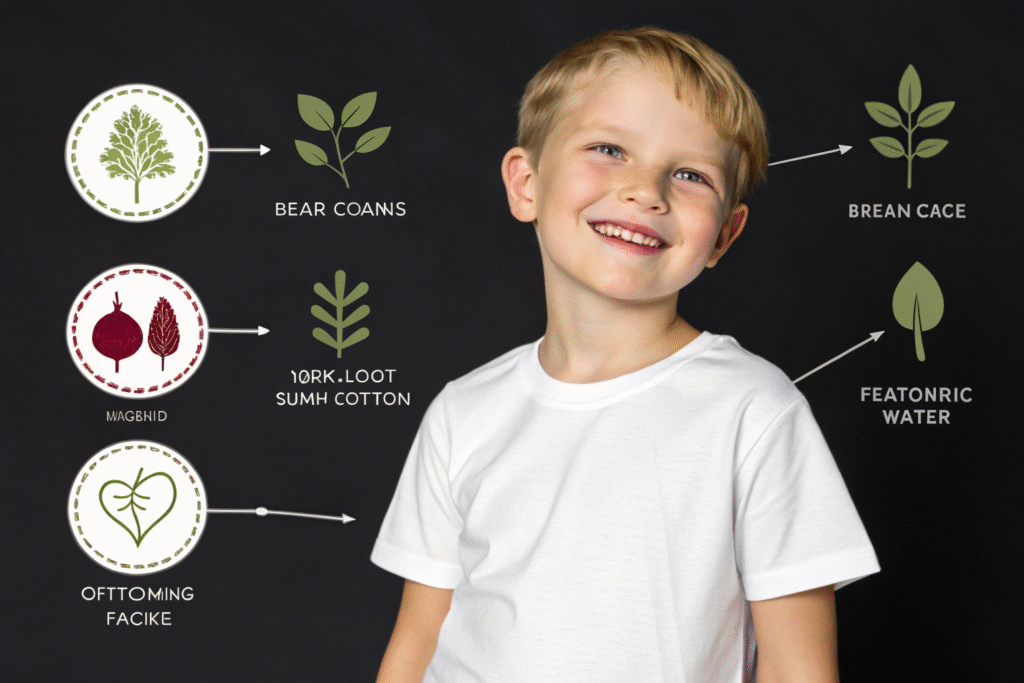
Natural dyes can be gentler on sensitive skin. Babies’ skin is much more permeable and sensitive than adult skin. Synthetic dyes sometimes cause irritation or allergic reactions. Plant-based dyes from beetroot or other vegetables are often milder. We ensure that all our dyed fabrics undergo thorough testing for skin sensitivity. This commitment to safety is part of our broader quality assurance process. We follow strict international safety standards for all our production. Using safer dyes is a core part of our brand promise for premium baby apparel.
What is the eco-impact of natural dye production?
The environmental footprint of natural dyes is often smaller. The process of creating synthetic dyes can involve heavy metals and toxic chemicals. These can pollute water systems. In contrast, natural dye sources are biodegradable. For example, beetroot is a renewable resource. However, it is important to consider the full lifecycle. Large-scale farming for dyes can use a lot of water and land. We are committed to sustainable practices across our supply chain. We partner with suppliers who share our values. Our focus on ethical production extends beyond just the final garment. We aim to provide truly eco-friendly clothing options for our partners.
How safe are beetroot dyes compared to synthetic options?
Safety is the number one priority for children’s clothing. When considering beetroot dyes, it’s natural to wonder how they stack up against the well-established synthetic dyes that dominate the market. Are they a safer choice, or simply a different one with their own set of challenges? This is a critical question for any brand owner.
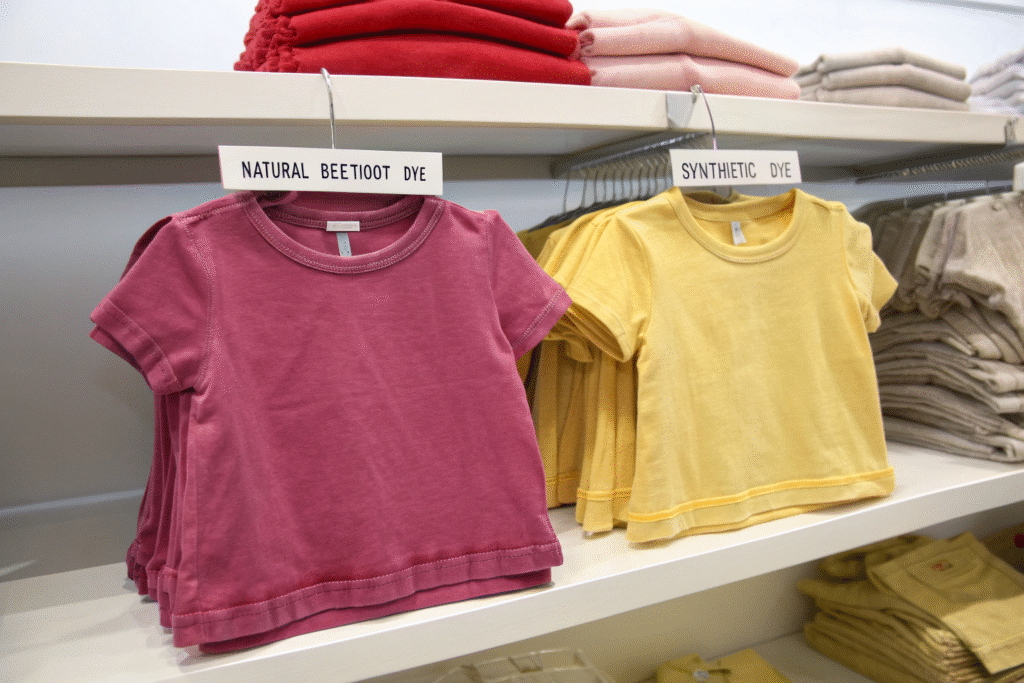
Beetroot dyes are inherently safer in terms of chemical composition, as they are free from known carcinogens and heavy metals that can be present in some synthetic dyes. The real differentiator, however, is certification. A certified natural dye process provides verifiable proof of safety, whereas uncertified synthetic dyes can pose significant risks.
What certifications guarantee dye safety?
Certifications are your proof of safety. They are not just pieces of paper. They are evidence of rigorous third-party testing. For any dye used in children’s wear, look for the Oeko-Tex Standard 100 certification. This global standard tests for harmful substances. It ensures the product is safe for human ecology. Another key certification is the Global Organic Textile Standard (GOTS). It covers both organic fiber status and environmental and social criteria in processing. Our manufacturing facility consistently achieves these certifications. This gives our partners, like brand owners in the USA, absolute confidence. We never falsify certificates; our compliance is transparent and auditable.
Can synthetic dyes cause skin allergies?
Yes, some synthetic dyes can and do cause skin allergies. Certain azo dyes, for example, can release aromatic amines which are known to be allergenic and potentially carcinogenic. This is a well-documented risk in the textile industry. While many harmful synthetics are regulated, the supply chain is not always perfectly controlled. This is why partnering with a reliable manufacturer is crucial. We have deep expertise in欧美童装 standards and proactively avoid any risky materials. Our quality control includes specific tests for allergen residues. This protects the end-consumer and safeguards your brand’s reputation.
What should you look for in a natural dye supplier?
Finding a reliable supplier is the cornerstone of launching a successful natural dye children’s wear line. The wrong partner can lead to inconsistent colors, delayed shipments, and, worst of all, safety issues that threaten your brand. Your supplier must be an extension of your own quality and ethical standards.
You need a supplier with verifiable certifications, transparent communication, and a proven track record in handling natural dyes. The supplier should be an expert not just in dyeing, but in the entire garment production process, ensuring that the dye adheres properly and the final product is durable and safe.
How important is supplier communication?
Efficient communication is vital. Inefficient communication is a major pain point for buyers like Ron. It leads to misunderstandings, errors, and delays. You need a supplier whose sales reps are responsive and clear. They should provide regular updates on your order status. They must be fluent in your language and understand your market needs. At our company, we assign a dedicated project manager to each client. This ensures a single point of contact and streamlined communication. We believe that clear, proactive communication is key to preventing delays and building a strong partnership. This is a core part of our service for our North American and European clients.
Why are logistics capabilities critical?
Logistics capabilities prevent missed selling seasons. A delayed shipment can mean your products arrive too late for the key retail period. This directly impacts your profitability. You need a supplier with robust logistics control. We offer DDP (Delivered Duty Paid) mode to simplify the process for you. We handle the complex parts of international shipping, customs clearance, and final delivery. Our optimized production and logistics systems are designed for on-time delivery. We know that your success depends on having the right products in stock at the right time. Our track record with clients in North America proves our reliability.
How to ensure quality control for dyed baby clothes?
Quality control is the practical system that turns safe materials into safe, reliable products. It’s the series of checks and balances that gives you, the brand owner, peace of mind. For dyed baby clothes, this goes beyond just checking the color. It involves a multi-stage process to guarantee every garment is perfect.
Ensuring quality requires a comprehensive approach that spans from raw material inspection to final pre-shipment audits. It combines technological testing with skilled human oversight to catch any potential issue, whether it’s colorfastness, fabric strength, or a stray thread.
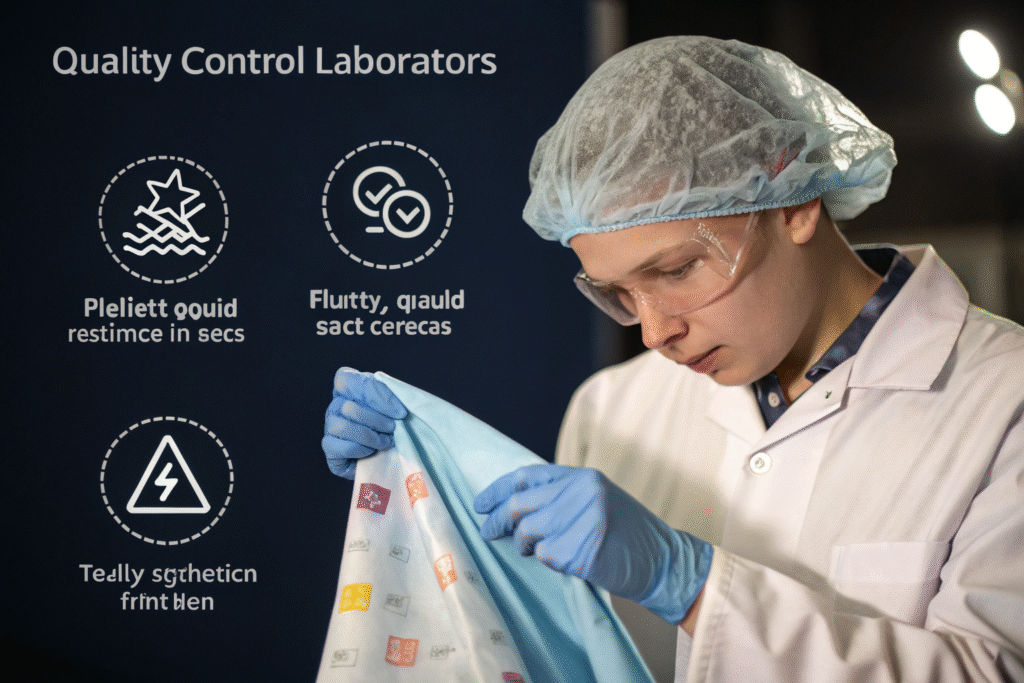
What tests check colorfastness and durability?
| Colorfastness tests are essential for durability and safety. They simulate whether the dye will run when the garment is exposed to sweat, saliva, friction, or washing. A dye that isn’t colorfast is not only poor quality but can also pose a risk if pigments transfer to a baby’s skin. We perform a range of tests in our in-house lab, including: | Test Type | Simulates | Purpose |
|---|---|---|---|
| Rub Fastness | Rubbing and friction | Checks if dye transfers to other surfaces. | |
| Wash Fastness | Machine washing | Ensures color remains vibrant after washes. | |
| Saliva Fastness | Baby chewing on fabric | Verifies safety against dye ingestion. |
These tests are part of our standard procedure for all dyed garments, ensuring the products we deliver are both beautiful and built to last.
How does factory audit prevent quality issues?
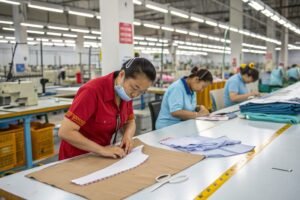
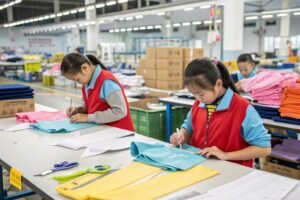
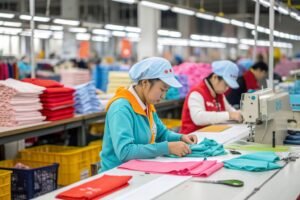
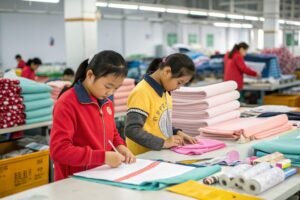
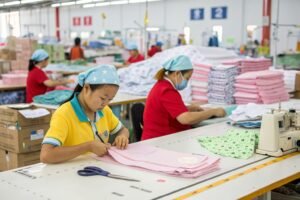
Regular factory audits are a proactive quality measure. They help identify potential problems in the production process before they affect the entire order. An audit checks everything from the storage of raw materials and dyeing equipment calibration to worker training and stitching quality. With our 5 production lines, we have a structured audit system. This includes First Article Inspection (when the first sample comes off the line), In-Process Inspection (during production), and Final Random Inspection (before shipping). This multi-layered approach minimizes the risk of defects and ensures consistent top quality across every batch. It’s how we maintain our reputation as a leading manufacturer for established brands.
Conclusion
Choosing the right dyes for baby clothing is a decision rooted in safety, quality, and responsibility. While natural options like beetroot dyes offer promising benefits, their true value is unlocked only through certified manufacturing processes, rigorous quality control, and a reliable supply partner. It’s the combination of safe materials and dependable execution that builds a trusted children’s wear brand.
Partnering with a manufacturer who understands this balance is key to your success. If you are looking for a dependable partner to produce high-quality, safe, and stylish children’s clothing, let’s talk. Contact our Business Director, Elaine, today at elaine@fumaoclothing.com to discuss how we can help you bring your next collection to life with confidence.