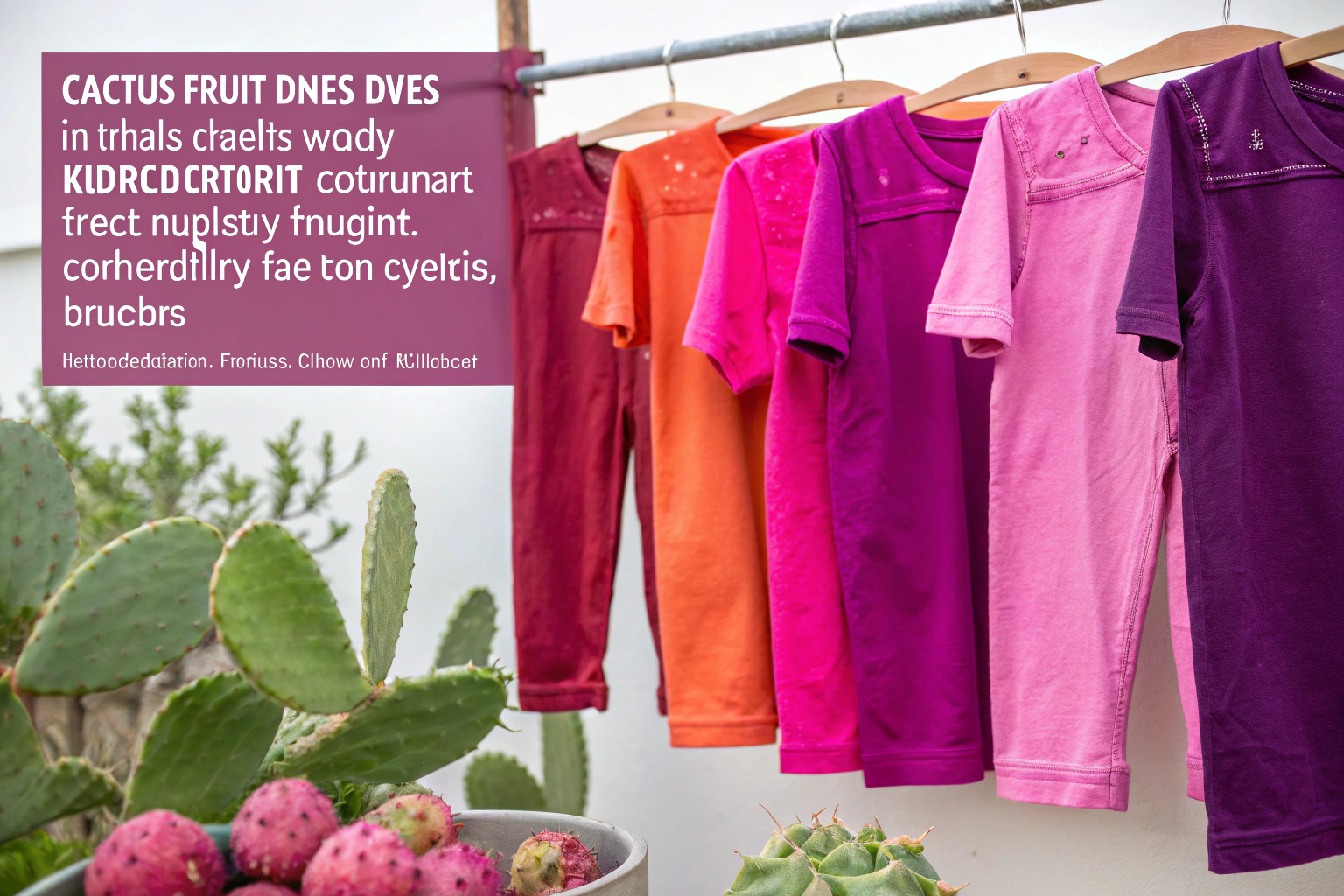
As a children’s clothing manufacturer, I’m constantly exploring new ways to make our garments stand out. Parents and brands want clothing that’s safe, comfortable, and visually appealing. The search for unique, natural dyes has led many in our industry to ask an intriguing question: can cactus fruit provide the vibrant colors we desire for kidswear?
Yes, cactus fruit dyes can produce surprisingly vibrant colors for kidswear, ranging from bright pinks and fuchsias to deep purples. These natural dyes offer a compelling alternative to synthetic colorants, especially for brands targeting eco-conscious parents. The key to their vibrancy lies in the high concentration of betalain pigments in the fruit. However, achieving consistent and long-lasting vibrancy requires expert handling during the dyeing process and proper fabric preparation. As a manufacturer with decades of experience, we’ve found that while cactus fruit dyes can be vibrant, their success depends heavily on the manufacturing expertise and quality control measures in place.
Let’s explore the potential of this unique dye source and what it means for your children’s clothing line.
How durable are cactus fruit dyes on children’s clothing?
Many brands worry about color fastness when considering natural dyes. Will garments dyed with cactus fruit hold up through multiple washes and active play? This is a critical question for any children’s product.
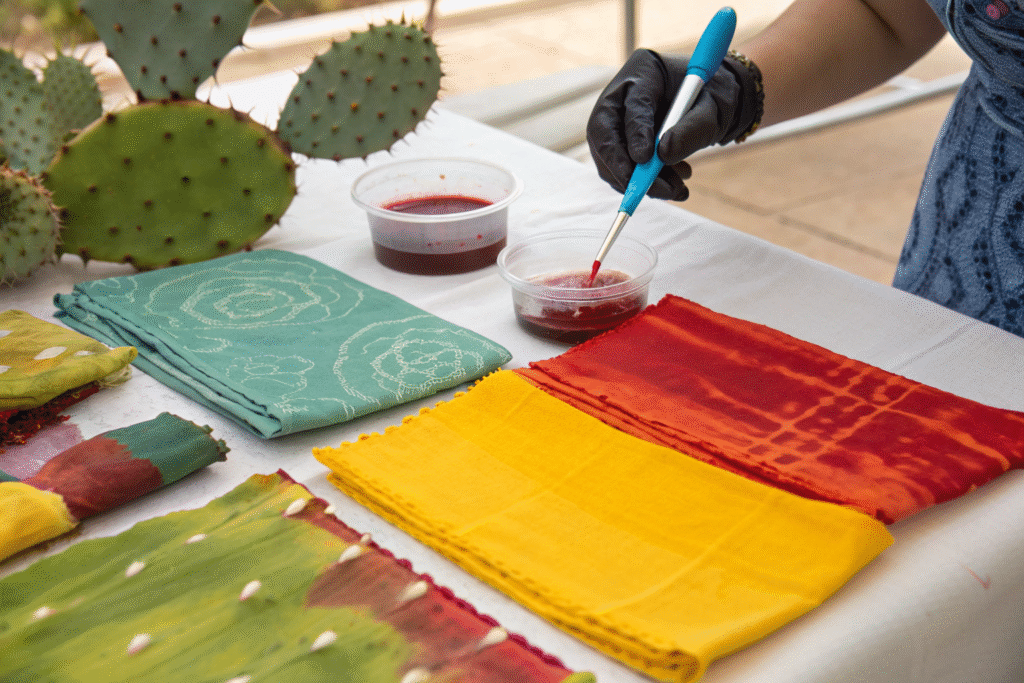
Cactus fruit dyes, when properly applied with modern mordants and fixation techniques, can achieve good durability suitable for children’s clothing. The color fastness largely depends on the fabric type, mordant used, and dyeing process precision. Through our extensive testing at Fumao Clothing, we’ve developed specific protocols that enhance the wash fastness of natural dyes like cactus fruit to meet international standards for children’s apparel.
What factors affect the longevity of cactus fruit dyes?
Several key factors determine how well cactus fruit dyes withstand washing and wear. The type of fabric is crucial – natural fibers like organic cotton and bamboo typically hold these dyes better than synthetic blends. The mordant used (the substance that fixes the dye to the fabric) dramatically impacts color fastness. We’ve found that aluminum-based mordants, which are safe for children’s wear, provide excellent results. The dye concentration and pH balance during the dyeing process also significantly affect durability. Proper after-treatment with appropriate fixatives further enhances wash fastness. At our factory, we conduct rigorous quality control tests on every batch to ensure the dyed fabrics meet the strict durability standards required by our American and European clients.
How does cactus fruit dye compare to synthetic alternatives?
When comparing cactus fruit dyes to synthetic colorants, there are trade-offs in durability but advantages in sustainability. Synthetic dyes generally offer slightly better color fastness in laboratory conditions, particularly for darker shades. However, advances in natural dye technology have narrowed this gap significantly. The vibrant hues from cactus fruit can maintain their appeal through approximately 30-40 washes when processed correctly, which is sufficient for most children’s clothing given their growth patterns. Many parents purchasing mid-to-high end children’s wear actually prefer the subtle fading characteristics of natural dyes, viewing it as part of the garment’s authentic character. From a manufacturing perspective, the growing consumer demand for eco-friendly clothing makes the slightly different durability profile a worthwhile consideration for brands targeting this market segment.
What are the safety benefits of natural dyes for kids’ clothing?
Safety is the foremost concern for any children’s product. The move toward natural dyes isn’t just about aesthetics – it’s about creating safer clothing for sensitive young skin.
Cactus fruit dyes offer significant safety advantages for children’s wear because they’re free from the heavy metals, toxic chemicals, and potential allergens often found in synthetic dyes. The betalain pigments in cactus fruit are naturally non-toxic and biodegradable, making them ideal for children with sensitive skin or chemical sensitivities. As a manufacturer adhering to strict international safety standards, we’ve documented fewer skin reaction incidents in our naturally dyed collections compared to conventional options.
How do natural dyes reduce chemical exposure for children?
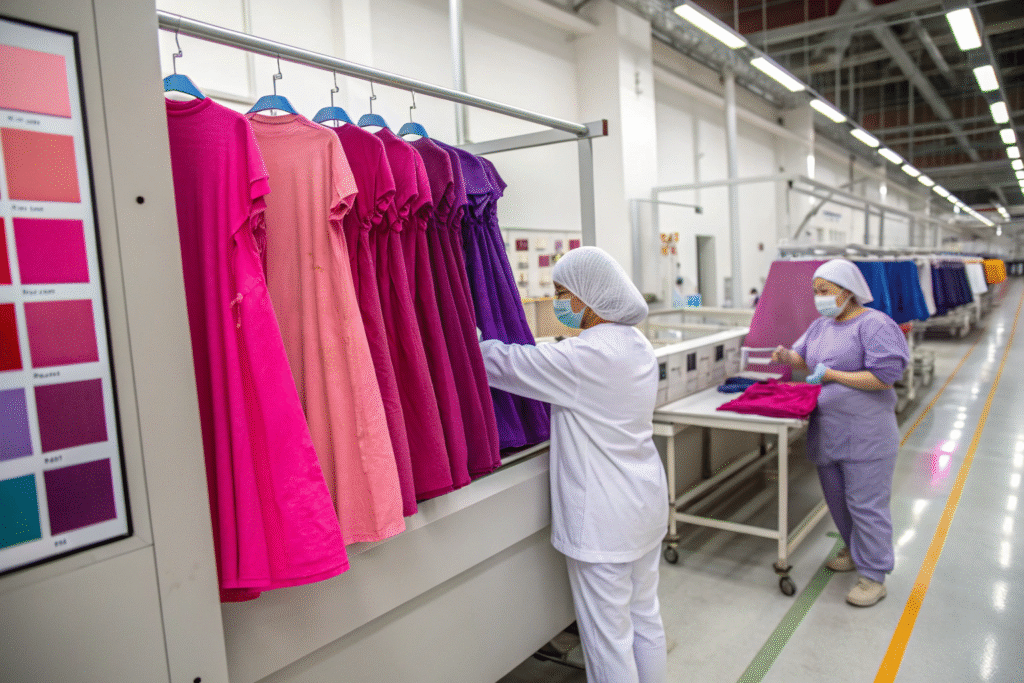
Conventional synthetic dyes sometimes contain residual chemicals that can be absorbed through children’s more permeable skin. Cactus fruit dyes eliminate concerns about azo dyes and other synthetic colorants that have raised health questions in recent years. The natural composition means there’s no risk of heavy metal contamination, which is particularly important for clothing that children might occasionally chew on. Our manufacturing process for natural dye applications includes thorough rinsing and testing to ensure no residual mordants remain on the finished garments. We voluntarily test our naturally dyed collections against even stricter parameters than required by CPSC standards to provide additional assurance to brands and parents.
What certifications should buyers look for with naturally dyed clothing?
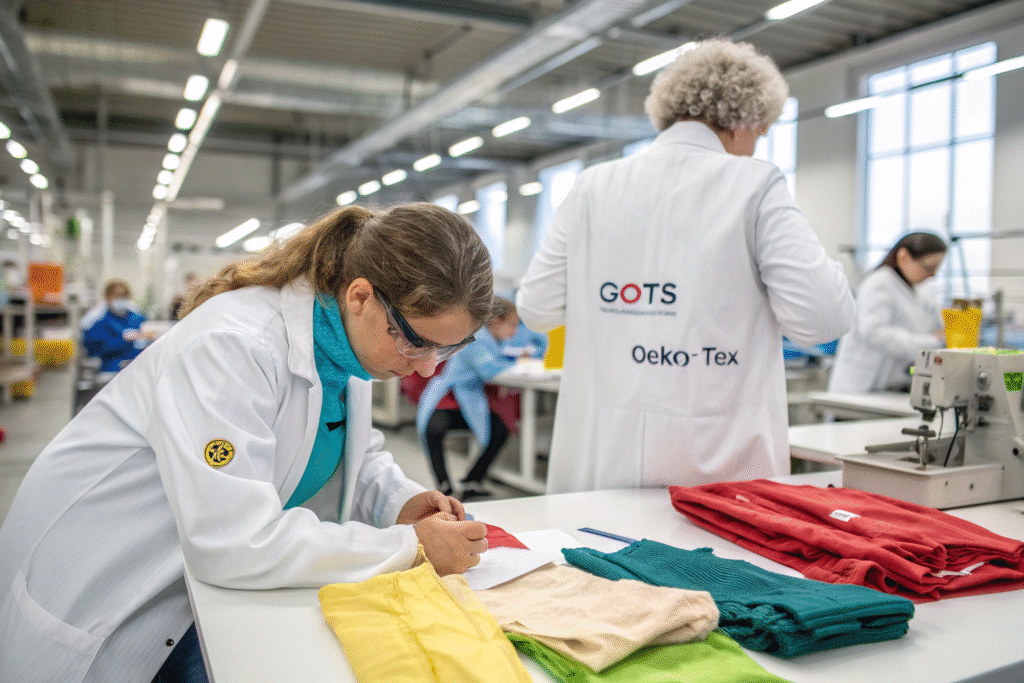
When sourcing naturally dyed children’s wear, reputable manufacturers should provide specific certifications that verify safety claims. The Global Organic Textile Standard (GOTS) certification covers both the organic fiber content and environmentally responsible processing, including dyeing methods. OEKO-TEX Standard 100 certification is equally important, as it tests for harmful substances in the final product. At our factory, we maintain both certifications for our natural dye collections, providing third-party validation of our safety claims. Additionally, we document our entire natural dye supply chain to ensure transparency from cactus fruit source to finished garment. This level of certification and documentation gives brand partners like Ron the verified safety information they need to confidently market to quality-conscious American consumers.
How cost-effective is cactus fruit dye for bulk production?
Switching to natural dyes often raises concerns about production costs and scalability. Brands need to know if cactus fruit dyeing is feasible for larger orders without compromising profitability.
While cactus fruit dyes are generally more expensive than synthetic alternatives, their cost-effectiveness improves significantly at production scale and provides measurable marketing advantages. Through optimized sourcing and efficient processing methods, we’ve reduced the cost premium for cactus fruit dyes to approximately 15-25% above conventional dyes for bulk orders. This increased cost is often offset by the higher retail prices that eco-conscious consumers are willing to pay for naturally dyed children’s wear.
What factors influence the production costs of naturally dyed garments?
Several variables affect the final cost of cactus fruit-dyed clothing. The seasonal availability of cactus fruit can impact raw material costs, though we’ve established relationships with reliable suppliers to stabilize pricing. The dye extraction process requires additional steps compared to synthetic dyes, adding to labor costs. However, through production innovations like batch optimization and water recycling in our dyeing facilities, we’ve significantly improved cost efficiency. The table below breaks down the typical cost structure for a medium-sized production run of cactus fruit-dyed children’s tops:
| Cost Component | Percentage of Total | Notes |
|---|---|---|
| Raw Materials | 45% | Organic fabric + cactus fruit dye |
| Dye Extraction & Application | 25% | Labor, energy, mordants |
| Quality Assurance | 15% | Additional testing for natural dyes |
| Logistics & Overhead | 15% | Similar to conventional production |
Can brands command premium pricing for naturally dyed kidswear?
Absolutely. The market for premium, naturally dyed children’s clothing has grown substantially in North America and Europe. Brands working with us on natural dye collections typically achieve 20-30% higher retail price points while maintaining strong sell-through rates. The unique story of cactus fruit dyes – sustainable, non-toxic, and vibrantly colored – provides compelling marketing content that resonates with modern parents. For distributors like Ron who rebrand our garments for the American market, this natural dye story becomes a powerful differentiator in competitive retail environments. The slightly higher production cost translates into significantly better margins at retail, making it a strategically sound investment for brands targeting the growing segment of eco-conscious families.
What is the environmental impact of cactus fruit dye production?
Today’s consumers and brands are increasingly concerned about the ecological footprint of their products. Understanding the environmental implications of cactus fruit dyes is essential for making informed sourcing decisions.
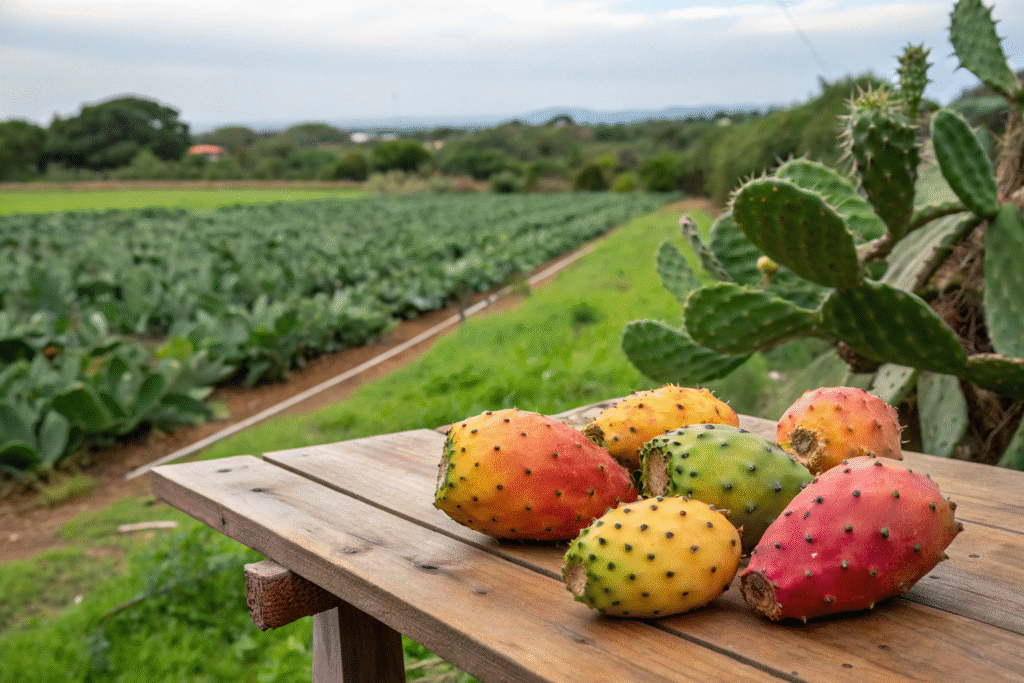
Cactus fruit dye production offers significant environmental advantages over synthetic dyes, particularly in water conservation and pollution reduction. The cultivation of cactus fruits requires minimal water and no pesticides, making it an environmentally sustainable crop. Most importantly, the dye extraction and application process generates biodegradable waste rather than the toxic runoff associated with synthetic dye production. At our manufacturing facilities, we’ve implemented closed-loop water systems that further minimize the environmental impact of our natural dye operations.
How does water usage compare between natural and synthetic dyes?
The water footprint of cactus fruit dyeing is substantially lower than conventional synthetic dye processes. Synthetic dyeing typically requires multiple rinsing cycles and chemical treatments that consume 100-150 liters of water per kilogram of fabric. Our cactus fruit dyeing process, utilizing modern water-recirculation technology, reduces this to approximately 50-70 liters per kilogram. The wastewater from natural dyeing is also far less problematic to treat and can often be safely returned to water systems after basic filtration. This reduced water consumption aligns perfectly with the sustainability expectations of American and European brands who are increasingly auditing their suppliers’ environmental practices as part of their own corporate responsibility initiatives.
Are cactus fruit dyes truly biodegradable and sustainable?
Yes, the betalain pigments in cactus fruit are completely biodegradable, breaking down naturally without leaving persistent chemical residues in the environment. The entire lifecycle of cactus fruit dyes – from cultivation to application to disposal – has a lower ecological impact than petroleum-based synthetic dyes. We’ve further enhanced the sustainability of our natural dye operations by implementing solar heating for dye baths and utilizing the pulp residue from dye extraction as compost for local agricultural use. This comprehensive approach to sustainable manufacturing not only reduces environmental impact but also provides brand partners with verified green credentials they can highlight to their customers. For business owners like Ron who are building brands in competitive markets, these authentic sustainability stories create meaningful connections with environmentally conscious consumers.
Conclusion
Cactus fruit dyes offer a viable, vibrant, and valuable option for children’s clothing brands seeking to differentiate themselves in competitive markets. While requiring specific expertise to maximize color fastness and manage production costs, these natural dyes provide compelling benefits in safety, sustainability, and consumer appeal. The vibrant pinks and purples derived from cactus fruit, combined with their non-toxic properties, make them particularly suitable for the mid-to-high end children’s wear segment that values both aesthetics and responsibility.
If you’re looking to develop a naturally dyed children’s collection that combines vibrant color with rigorous safety standards and reliable delivery, our team has the expertise and production capacity to bring your vision to life. We invite you to contact our Business Director Elaine at elaine@fumaoclothing.com to discuss how we can partner to create exceptional children’s wear that stands out in today’s market.