As a children’s clothing manufacturer with decades of experience, I’ve seen countless fabric trends come and go. But when it comes to sensitive infant skin, one material consistently stands out for its remarkable properties. Parents and brands alike are increasingly seeking out garments that are not just cute, but fundamentally kinder to a baby’s delicate ecosystem.
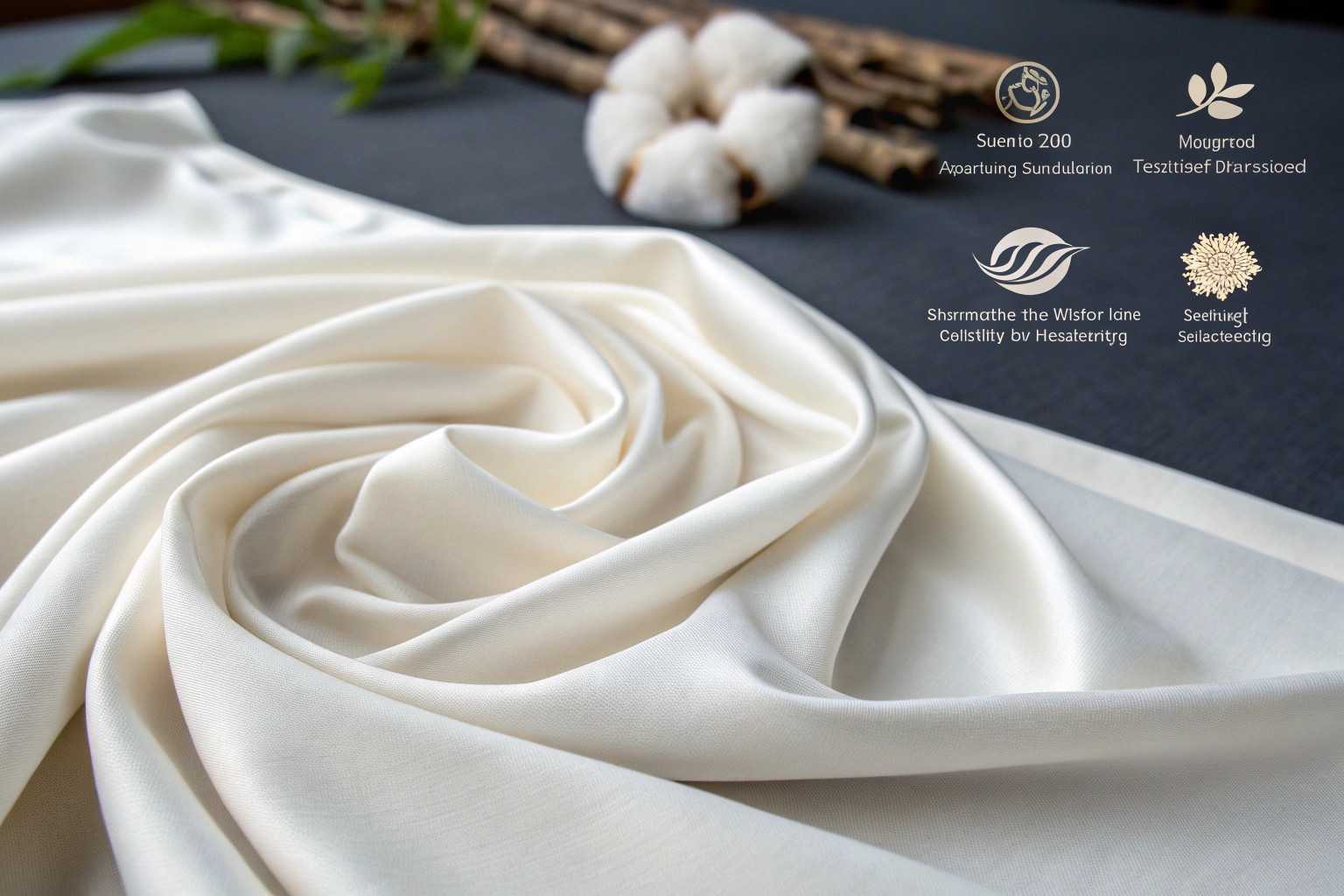
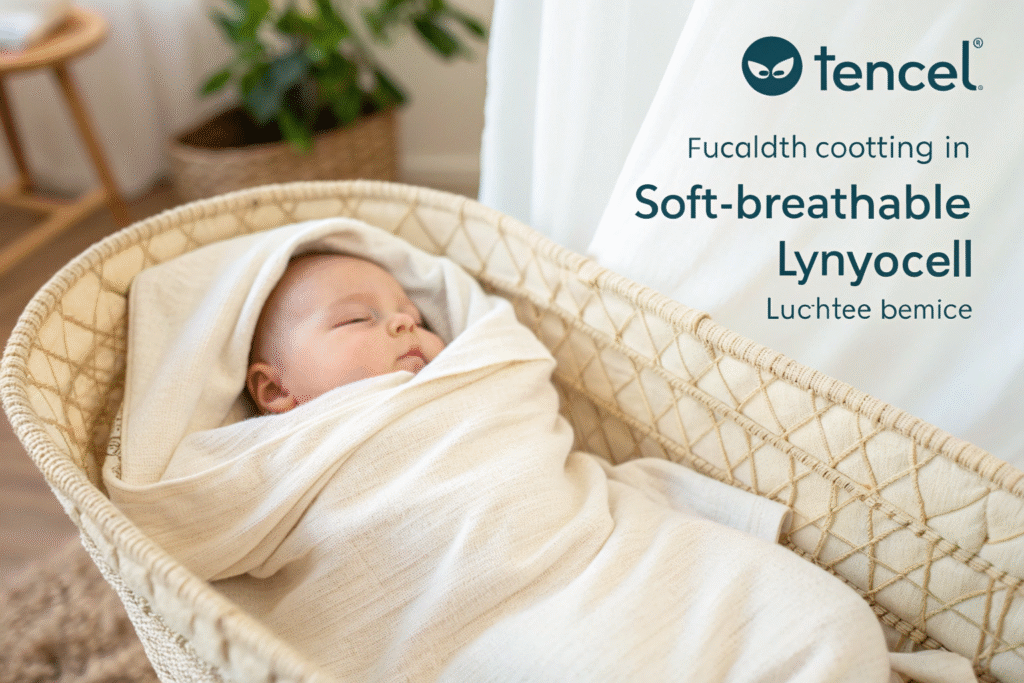
Lyocell, specifically TENCEL™ Lyocell, is an excellent choice for sensitive infant skin because it is derived from sustainably sourced wood pulp, offering a unique combination of ultra-softness, superior breathability, high moisture-wicking capability, and exceptional biodegradability. Its closed-loop production process ensures minimal environmental impact, making it a responsible choice for both baby’s health and the planet’s future.
For brand owners like Ron, who are navigating the complex landscape of sourcing high-quality, safe, and marketable infant wear, understanding the "why" behind material choices is crucial for making informed decisions and communicating value to end consumers.
What makes lyocell fabric so gentle on baby skin?
The gentleness of lyocell is not an accident; it’s a result of its fundamental structure and production. Unlike some synthetic fibers or even some natural fibers that can be rough or treated with harsh chemicals, lyocell is inherently smooth and requires less processing to achieve a luxuriously soft hand-feel.
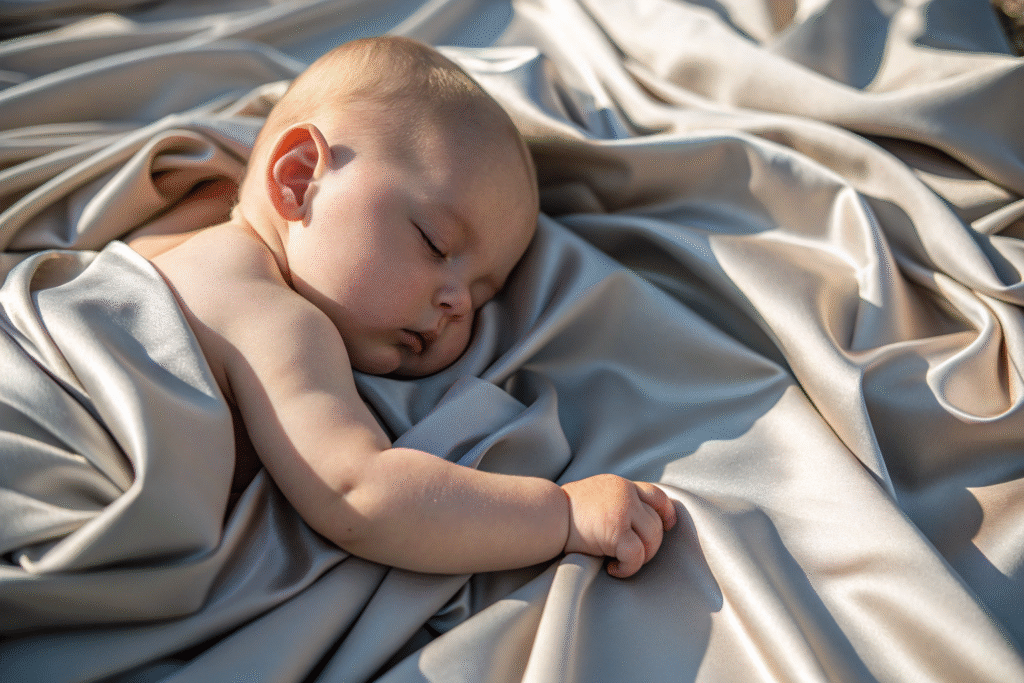
Lyocell fibers are extremely fine and smooth, creating a fabric surface with very low friction. This means less chafing and irritation against a baby’s delicate skin, which is much more prone to redness and discomfort than adult skin. Furthermore, lyocell is a cellulose fiber, making it naturally hygienic and resistant to bacteria growth.
How does lyocell’s smoothness prevent skin irritation?
The secret lies in the fiber’s physical properties. Lyocell fibers are produced using an advanced solvent spinning process that results in fibers with a perfectly round and incredibly smooth cross-section. This structural smoothness translates directly to the fabric’s surface. When this smooth surface glides against skin, it minimizes mechanical irritation. For conditions like eczema or general skin sensitivity, this reduction in friction is a major benefit. In contrast, some other natural fibers can have scaly or irregular surfaces that, while natural, can sometimes aggravate tender skin with repeated contact.
Why is lyocell’s breathability crucial for infant sleepwear?
Breathability is a non-negotiable safety and comfort feature in infant sleepwear. A baby’s body is less efficient at regulating temperature, making them susceptible to overheating. Lyocell excels in this area due to its ability to manage moisture effectively. The fiber is highly hydrophilic, meaning it readily absorbs moisture. However, unlike cotton which can feel damp and cold once saturated, lyocell absorbs moisture and then efficiently releases it into the air. This continuous process of absorption and vaporization helps maintain a dry, comfortable microclimate between the fabric and the baby’s skin, preventing the clamminess that can disrupt sleep and lead to discomfort.
How does lyocell’s moisture control benefit infants?
Moisture control is arguably lyocell’s superpower. For infants who cannot verbalize their discomfort from dampness, a fabric that actively works to keep them dry is a significant advantage. This goes beyond simple comfort; it’s a primary line of defense against common skin problems.
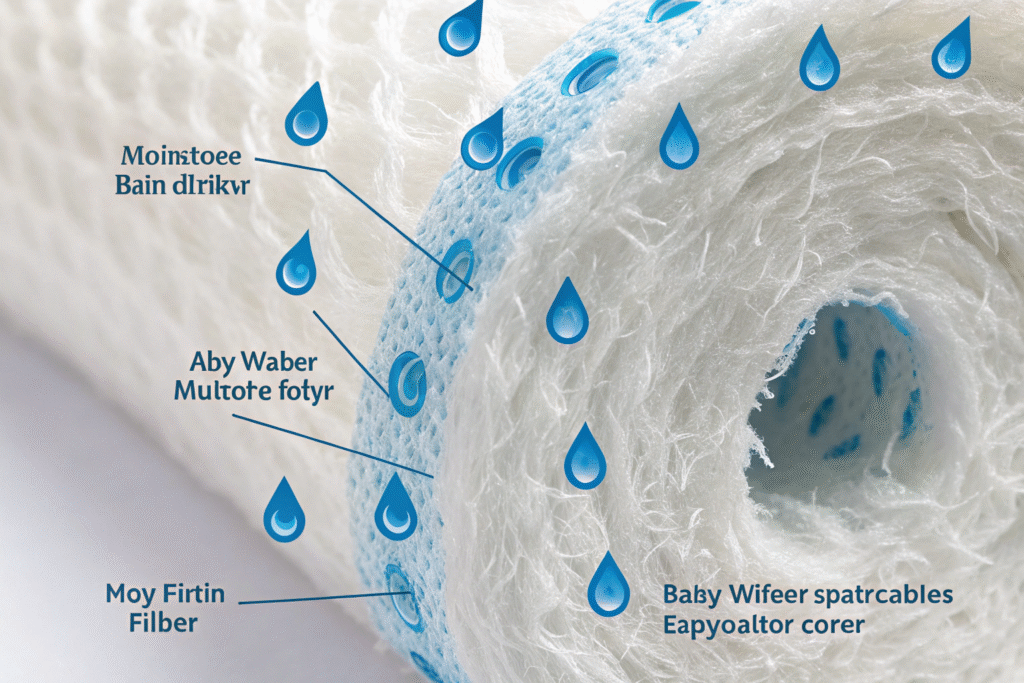
Lyocell can absorb up to 50% more moisture than cotton, and it does so much faster. This rapid absorption pulls perspiration away from the skin’s surface almost instantly. But the real magic is in its drying power. Because the moisture is held within the fiber’s structure and then released as vapor, the fabric itself remains drier to the touch. This creates an environment where bacteria, which thrive in damp conditions, are less likely to multiply.
What is the science behind lyocell’s superior absorbency?
The high absorbency of lyocell is rooted in its cellular structure. As a fiber made from wood pulp, it contains a vast network of tiny nano-fibrils. These microscopic channels create a massive internal surface area, acting like a sponge that can draw and hold a significant amount of water molecules within the fiber itself. This is a different mechanism from some synthetic fibers like polyester, which are hydrophobic and merely transport moisture to the surface without absorbing it, often leaving a damp feeling. Lyocell’s innate ability to lock moisture away from the skin’s surface is what makes it so effective at maintaining dryness and comfort.
Can lyocell fabric help prevent diaper rash?
Absolutely. While no single fabric can completely eliminate diaper rash, lyocell is exceptionally well-suited to help prevent it. Diaper rash is primarily caused by prolonged exposure to moisture, friction, and the resulting bacterial or fungal growth. Lyocell directly counteracts these factors. Its high absorbency and quick-drying nature reduce moisture contact time with the skin. Its unparalleled smoothness minimizes friction in a high-contact area. Finally, its natural resistance to bacterial growth, due to its smooth surface and moisture-wicking properties, creates a less hospitable environment for the microbes that can exacerbate the condition.
Is lyocell an eco-friendly choice for baby clothing?
In today’s market, a product’s environmental footprint is a significant purchasing factor for many families. Lyocell doesn’t just meet expectations for infant comfort; it excels in sustainability, offering a compelling story for brands like yours. The eco-friendly credentials of lyocell, particularly the TENCEL™ brand, are a major part of its value proposition.
The production of lyocell is based on a closed-loop process. This means that over 99% of the water and non-toxic solvent used to dissolve the wood pulp are continuously recycled and reused. This drastically reduces water waste and chemical effluent compared to conventional viscose or even cotton processing, which is notoriously water-intensive. The wood pulp itself is sourced from sustainably managed forests, primarily eucalyptus, which grow quickly without pesticides or excessive irrigation.
How does the closed-loop production process work?
The closed-loop process is the cornerstone of lyocell’s environmental appeal. It begins with wood pulp being dissolved in a non-toxic organic solvent to create a viscous solution. This solution is then forced through fine nozzles (spinnerets) into a bath, which reforms the cellulose into fibers. The key differentiator is that the solvent-water mixture used in the bath is almost entirely recovered. It is purified and recycled back into the production process repeatedly. This system minimizes the release of harmful chemicals into the environment and dramatically reduces water usage. This process is certified by leading international bodies and provides a transparent, verifiable story that you can share with your customers.
Is lyocell biodegradable and compostable?
Yes, lyocell is fully biodegradable and compostable. Because it is made from natural cellulose, it can break down completely in soil, water, and even in home composting systems within a matter of weeks under the right conditions, returning organic matter to the earth. This is a significant advantage over synthetic petroleum-based fibers like polyester or nylon, which can persist in the environment for hundreds of years. For parents concerned about the environmental legacy of the products they choose for their children, and for brands like Ron’s that are building a long-term sustainable strategy, this end-of-life characteristic is a powerful asset.
What should brands look for in a lyocell supplier?
Choosing the right manufacturing partner for lyocell garments is as critical as choosing the fabric itself. The potential benefits of lyocell can only be fully realized with high-quality production, consistent quality control, and reliable supply chain management. As a brand owner, you need a supplier that is more than just a factory; you need a solutions partner.
Key criteria include the supplier’s access to certified lyocell fibers (like TENCEL™), their expertise in knitting or weaving with this specific material, and their commitment to ethical production standards. It is crucial to verify certifications that validate the authenticity of the fiber and the responsible nature of the manufacturing process. Furthermore, a reliable supplier will have a proven track record of managing the logistics for lyocell garment production.
Which certifications verify sustainable lyocell?
When sourcing lyocell, you should insist on seeing specific certifications that provide third-party verification. The most important one is the license for TENCEL™ or Lenzing Lyocell, which guarantees the fiber’s origin and closed-loop production. Beyond that, look for OEKO-TEX® STANDARD 100 which certifies that the final textile product has been tested for a wide range of harmful substances. Forest Stewardship Council® (FSC®) certification ensures the wood pulp comes from responsibly managed forests. The EU Ecolabel indicates reduced environmental impact throughout the product’s life cycle. These certifications are your assurance of quality and sustainability.
How to ensure quality control in lyocell garment production?
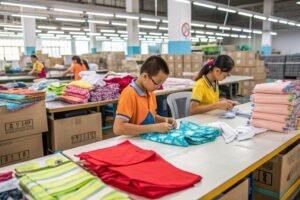
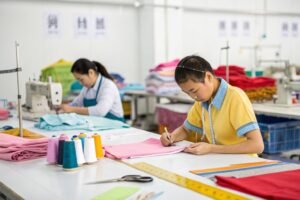
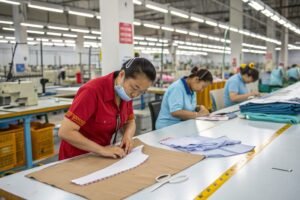
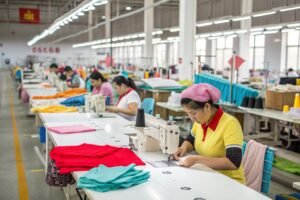
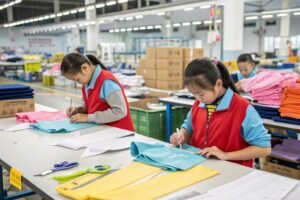
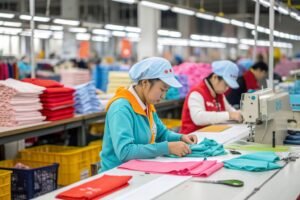
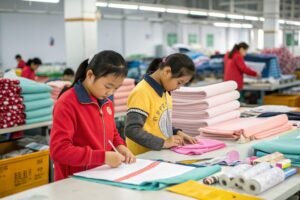
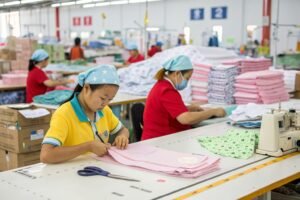
Robust quality control is essential when working with specialized fabrics like lyocell. Your chosen supplier should have a multi-stage QC process integrated into their production line. This includes incoming fabric inspection checking for defects before cutting, in-process control monitoring during cutting and sewing, and final random inspection of finished garments. A professional supplier will provide detailed inspection reports and be transparent about their processes. They should also understand the specific care instructions for lyocell to ensure the finished product performs as promised for the end-consumer.
Conclusion
Lyocell presents a compelling case for being one of the best fabric choices for sensitive infant skin. Its unique combination of ultra-softness, superior moisture management, breathability, and strong environmental credentials makes it a standout material that meets the dual demands of modern parents. For children’s wear brands, integrating lyocell into your collections is a powerful strategy to enhance product value and build a brand known for responsibility and quality.
If you are a brand owner or buyer looking to develop a high-quality, market-leading infant wear line with lyocell, we invite you to experience the Fumao difference. Our expertise in sourcing certified materials, coupled with our rigorous quality control and dependable logistics, ensures a seamless and successful partnership. Let’s create beautiful, safe, and comfortable clothing for the littlest ones together. For a personal consultation on your next order, please contact our Business Director, Elaine, at elaine@fumaoclothing.com.