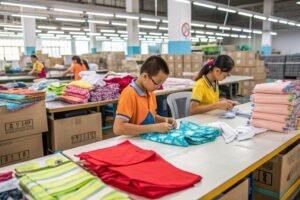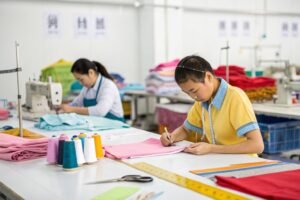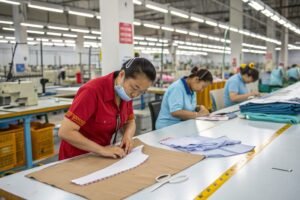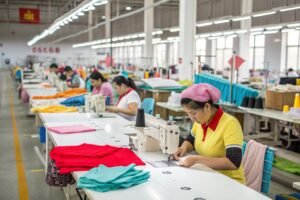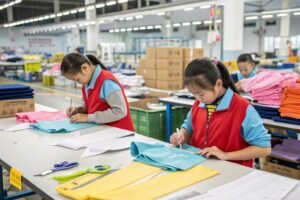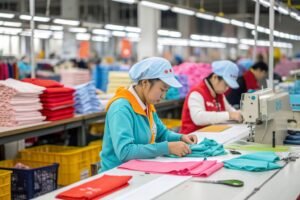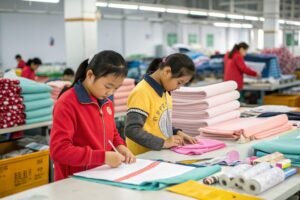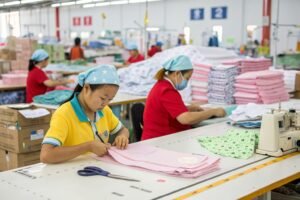
As a children’s clothing brand owner, you’re always looking for the next big thing to set your collection apart. Have you considered the growing demand for air-purifying children’s clothing? This innovative category combines fashion with functionality, offering parents something truly valuable – added protection for their children in today’s urban environments. At Fumao Clothing, we’ve seen firsthand how this niche market is expanding, and we understand the complexities of sourcing these advanced garments correctly.
Air-purifying children’s clothing integrates specialized fabrics with technology that helps neutralize certain airborne pollutants, providing an extra layer of protection for kids. To source it effectively, you need reliable manufacturers with proven expertise in functional textiles, verifiable certifications for the claimed technologies, and a transparent supply chain that ensures consistent quality and performance.
Navigating this emerging market can be challenging. You need a partner who not only manufactures clothing but also understands the technical aspects of these innovative fabrics. Let’s explore how you can successfully source these high-demand garments and integrate them into your product line.
What is air-purifying clothing technology?
The world of children’s apparel is evolving beyond cute prints and comfortable fabrics. Air-purifying clothing represents a significant leap forward, merging textile innovation with wellness. For brand owners like you, understanding this technology is the first step toward tapping into a profitable and socially responsible market. This isn’t just another trend; it’s a response to growing parental concerns about environmental pollutants.
Air-purifying clothing utilizes textiles treated with or woven from materials that can help break down common airborne pollutants when exposed to light or air. The most common technology involves photocatalysts, like titanium dioxide nanoparticles, which react with light to neutralize pollutants. Another approach uses special mineral-based compounds integrated into the fibers during the spinning process. These technologies don’t create a protective bubble around the child but work on the surface of the fabric to reduce contaminants that come into contact with the garment.

How does the purification process work in fabrics?
The purification process is primarily a surface-level chemical reaction. When light photons hit the treated fabric, they excite electrons in the photocatalytic particles, creating reactive oxygen species that break down organic pollutants and some inorganic compounds. This process is continuous as long as there’s adequate light exposure, making it particularly effective for outdoor wear where children are active. The technology is designed to target common urban pollutants like nitrogen oxides (NOx), sulfur oxides (SOx), and volatile organic compounds (VOCs) that can adhere to clothing surfaces. The effectiveness varies based on fabric density, treatment concentration, and environmental conditions, but reputable manufacturers provide testing data from independent laboratories to verify performance claims. Understanding this process helps you communicate the real benefits to your customers, setting realistic expectations about what the technology can and cannot do.
What certifications verify air-purifying claims?
When sourcing these specialized garments, verification is everything. Reputable certifications provide the credibility your brand needs to market these products effectively. The most recognized certification for photocatalytic textiles is the International Organization for Standardization (ISO) 22197, which specifically measures the removal of nitric oxide (NO) by photocatalytic materials. For broader air purification claims, look for suppliers who can provide test results from accredited laboratories following American Association of Textile Chemists and Colorists (AATCC) Test Method 183, which assesses air-purifying properties of textiles. Additionally, the OEKO-TEX Standard 100 certification is crucial as it verifies that the textiles are free from harmful substances, ensuring that the purifying technology itself doesn’t introduce new toxins. At Fumao Clothing, we insist on these verifications for all our functional garments, providing our partners with documented proof of performance and safety.
How to identify reliable air-purifying clothing manufacturers?
Finding a manufacturer who can consistently deliver on both quality and technological promises is perhaps your biggest challenge in this space. The market has seen an influx of suppliers making bold claims, but verification separates the credible partners from the opportunists. Your brand reputation depends on choosing a manufacturer with proven expertise, not just persuasive sales representatives.
The most reliable manufacturers have transparent supply chains and willingly share their testing protocols and results. They understand that you’re risking your brand reputation with every order and act accordingly. Look for partners who educate you about the limitations of the technology as well as its benefits, setting realistic expectations from the beginning. The best manufacturers view your success as their success and build relationships accordingly, rather than focusing solely on moving production volumes.

What questions should you ask potential suppliers?
When vetting manufacturers for air-purifying clothing, come prepared with specific questions that go beyond standard manufacturing inquiries. Ask for detailed information about how the purifying technology is applied to the fabric – is it embedded in the fibers, applied as a coating, or incorporated through a finishing process? Request to see third-party test results specifically for the air-purifying claims, not just general safety certifications. Inquire about the durability of the effect – how many washes does the technology remain effective, and what washing instructions must accompany the garments? Ask for references from other brands they’ve supplied, specifically in the functional clothing space. At Fumao Clothing, we welcome these questions and maintain a comprehensive documentation package that addresses each of these concerns, demonstrating our commitment to transparency and verifiable quality.
How to verify manufacturer certifications and claims?
Verification requires more than just seeing certificate copies; it demands active confirmation. Cross-reference certification numbers with the issuing organizations’ databases to ensure they’re current and valid. For air-purifying claims specifically, request test results from internationally recognized laboratories that follow standardized testing protocols. Be wary of suppliers who only provide "internal testing" results without third-party validation. Check if the manufacturer has appropriate Social Responsibility Compliance certifications, which often indicates a more professional operation overall. Contact their existing clients directly when possible to inquire about their experiences with consistency, communication, and problem-resolution. Our clients at Fumao Clothing appreciate our open-book approach to verification – we connect them directly with our testing laboratories and encourage due diligence, knowing that our processes withstand scrutiny.
What are the benefits of air-purifying children’s wear?
Understanding the market advantages of this innovative product category helps you position it effectively within your collection. Beyond the obvious health implications, air-purifying children’s wear offers distinct business benefits that can strengthen your brand’s market position and profitability. These garments typically command premium pricing while addressing genuine consumer concerns.
The primary benefit is the clear differentiation from competitors in a crowded marketplace. While most children’s clothing competes on design, price, or comfort, air-purifying garments compete on functionality – a much stronger value proposition for concerned parents. This differentiation allows for higher profit margins while actually providing additional value, rather than just perceived value. Additionally, these products position your brand as innovative and responsive to contemporary environmental health concerns, building brand loyalty among health-conscious families.

How does this technology protect children’s health?
The protection offered by air-purifying clothing operates on a simple principle: reducing pollutant exposure during everyday activities. Children are particularly vulnerable to air pollutants because they breathe more air relative to their body weight and spend more time engaged in physical activity outdoors. While these garments don’t replace proper masks in severely polluted conditions, they provide continuous, passive protection during normal wear, particularly targeting pollutants that contact skin and can be inhaled from clothing surfaces. The technology helps break down common irritants that can trigger respiratory issues like asthma or skin conditions like eczema. By integrating this protection into everyday clothing, you’re offering parents a practical solution that doesn’t require changing their children’s behavior or adding another item to their daily routine.
What marketing advantages does functional clothing offer?
Functional clothing like air-purifying garments provides compelling marketing narratives that go beyond fashion trends. You’re not just selling clothing; you’re selling peace of mind, innovation, and responsive parenting solutions. This positions your brand as forward-thinking and genuinely concerned with children’s wellbeing, not just aesthetics. The technology provides tangible talking points for your marketing materials, social media content, and retail staff training. It generates press interest more easily than standard seasonal collections, potentially earning valuable media coverage that money can’t buy. Additionally, functional clothing typically has longer lifecycle relevance since the technology benefits aren’t season-dependent, allowing for extended sales periods and reduced markdowns. At Fumao Clothing, we work with our partners to develop integrated marketing support that highlights these technological benefits while maintaining fashion appeal.
How to ensure quality in air-purifying garment production?
Maintaining consistent quality in functional garment production requires more rigorous oversight than standard apparel manufacturing. The integration of technology adds another dimension where things can go wrong, making robust quality control processes non-negotiable. Your manufacturer should have established protocols specifically for verifying the performance and durability of the functional aspects throughout production.
Quality assurance begins with raw material verification and continues through every production stage. Reputable manufacturers conduct incoming fabric testing to confirm purifying agent concentration and distribution before cutting. During production, they monitor application consistency if the technology is applied during manufacturing rather than pre-treated in the fabric. Post-production, they should test random samples from each batch to verify that the purifying function meets specified standards and that the treatment withstands the manufacturing process.

What quality control checks are essential?
Beyond standard apparel quality checks, air-purifying clothing requires specialized verification protocols. Essential checks include:
- Pre-production verification of purifying technology concentration
- Even application assessment across garment panels
- Post-wash functionality testing (after 5, 10, 20 washes)
- Seam integrity in relation to technology application
- Colorfastness of treated fabrics
- Verification that purifying treatment doesn’t affect breathability
- Packaging requirements to maintain efficacy before retail
We implement a comprehensive quality management system at Fumao Clothing that includes both standard apparel checks and specialized functional verification, documented through detailed reports for our clients.
How to test durability of air-purifying effects?
The durability of the air-purifying effect is arguably as important as its initial efficacy. Proper testing should simulate real-world conditions, including multiple wash cycles, light exposure, and abrasion. Standardized testing protocols include measuring purification efficacy after accelerated washing cycles following International Organization for Standardization (ISO) 10528 standards for commercial laundering. Additionally, xenon-arc testing simulates extended light exposure to ensure the photocatalytic elements don’t degrade prematurely. Reputable manufacturers conduct these tests regularly and can provide historical data showing consistency across production batches. At Fumao Clothing, we maintain a quality laboratory specifically for functional garments where we continuously test our products throughout their lifecycle, providing our partners with empirical data on performance durability.
Conclusion
Sourcing air-purifying children’s clothing represents a significant opportunity for forward-thinking brands ready to meet growing consumer demand for functional apparel. Success in this niche requires partnering with manufacturers who combine technical expertise with rigorous quality control and verifiable certifications. The most reliable partners transparently share their processes, testing results, and limitations, enabling you to make informed decisions and market these innovative products effectively. By understanding the technology, verification processes, and quality requirements, you can confidently expand your product line with garments that offer genuine added value.
If you’re ready to explore how air-purifying children’s clothing can enhance your brand’s offerings, we invite you to contact our Business Director Elaine at elaine@fumaoclothing.com. With our specialized production lines and technical expertise in functional children’s wear, Shanghai Fumao Clothing is uniquely positioned to help you develop this promising product category with confidence. Let’s discuss how we can partner to bring innovative, air-purifying children’s clothing to your market.