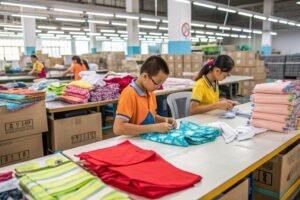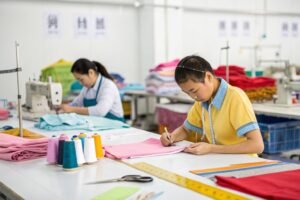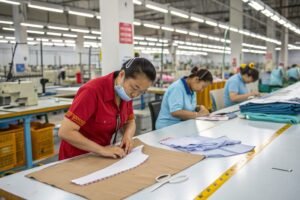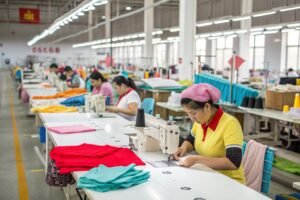

As a children’s clothing manufacturer, I see new materials come and go. But one trend has caught my attention and held it: cork trims. You might be wondering why this natural material is suddenly appearing on children’s garments everywhere. Is it just a passing fad, or is there something more substantial driving this shift in kidswear design?
Cork trims are trending in eco kidswear because they offer a unique combination of sustainability, durability, and aesthetic appeal that aligns perfectly with modern consumer values. This natural material meets the growing demand for eco-friendly children’s products while providing practical benefits for manufacturers and parents alike. The rise of cork represents a fundamental shift toward genuinely sustainable materials in children’s fashion.
The cork trend isn’t accidental. It’s a response to market demands for better, safer, and more environmentally responsible materials. In this article, I’ll share why cork has become our go-to choice for trims and how it can benefit your brand too.
What makes cork a sustainable choice for children’s clothing?
Parents today want more than just cute designs. They’re looking for clothing that aligns with their values, especially when it comes to the environment. Cork delivers on this promise in ways that synthetic materials simply cannot match.
Cork is sustainable because it’s harvested from the bark of cork oak trees without cutting down the trees themselves. This renewable harvesting process allows trees to continue growing and absorbing carbon dioxide, making it one of the most environmentally friendly materials available. The cork oak forests, primarily located in Mediterranean regions, support incredible biodiversity and prevent desertification, creating a positive environmental impact beyond just the material itself.

How does cork compare to conventional trim materials?
When we compare cork to conventional trim materials like plastic or synthetic leather, the differences are striking. Cork harvesting is a centuries-old practice that actually helps the environment, whereas producing synthetic materials typically involves petroleum extraction and significant carbon emissions. The cork oak tree’s bark regenerates every nine years, creating a truly renewable resource that doesn’t deplete the tree’s health or the forest’s ecosystem.
The production process for cork trims uses minimal water and energy compared to synthetic alternatives. At our factory, we’ve observed that working with cork generates less waste than plastic-based materials. The leftover cork pieces can be ground and reused for other products, creating an efficient circular system that aligns with our commitment to reducing environmental impact throughout our supply chain.
What certifications should you look for in cork trims?
For brands concerned about authenticity and sustainability, certifications provide crucial verification. The Forest Stewardship Council (FSC) certification ensures that cork comes from responsibly managed forests that provide environmental, social, and economic benefits. This certification has become increasingly important to our North American and European clients who need to verify their sustainability claims to environmentally conscious consumers.
Another key certification is Cradle to Cradle, which assesses materials across five categories of sustainability. While not specific to cork, this certification indicates a thoroughly vetted, safe, and circular material. We also recommend looking for OEKO-TEX certification, which verifies that materials are free from harmful substances – particularly important for children’s clothing where safety is paramount. These certifications have become essential components of our quality assurance process for all natural materials we source.
How durable are cork trims for active children?
When I first considered using cork trims, durability was my biggest concern. Children are rough on their clothes – they play hard, spill things, and generally put their clothing through extreme testing. After two years of incorporating cork trims into our collections, I can confidently say they’ve surpassed our durability expectations.
Cork trims are surprisingly durable because of their natural cellular structure. The honeycomb-like composition of cork makes it compressible yet resilient, allowing it to bounce back to its original shape after compression. This natural shock absorption is perfect for children’s clothing where trims often undergo stretching, pulling, and general wear and tear. Our quality tests show that properly applied cork trims maintain their integrity through multiple seasons of use.

What testing proves cork’s longevity in kidswear?
We subject our cork trims to rigorous testing that simulates real-world conditions children create. The abrasion resistance tests, conducted using Martindale rub testing equipment, demonstrate that high-quality cork can withstand over 100,000 rubs without significant wear – far exceeding the requirements for children’s clothing. This testing methodology aligns with international standards for textile durability, giving us and our clients confidence in the material’s performance.
Water resistance testing has been equally impressive. The natural suberin in cork cells creates a moisture-resistant barrier that protects against spills and stains. Unlike many synthetic materials that degrade with repeated exposure to moisture, cork maintains its integrity. Our accelerated aging tests, which simulate years of use in a condensed timeframe, show minimal degradation in cork’s appearance or functionality, making it an excellent long-term investment for children’s clothing brands.
Can cork trims withstand repeated washing?
This was perhaps our most important question when we began working with cork. After extensive testing in our quality control lab and feedback from our clients, we can confirm that high-quality cork trims withstand repeated washing when proper care instructions are followed. We recommend gentle cycle washing with mild detergents and air drying, which preserves both the cork and the garment it adorns.
The key to washable cork trims lies in the finishing process. Our manufacturing partners use specialized sealants that protect the cork’s surface while maintaining its natural texture and appearance. Through our partnership with the International Association for Textile Care Labelling, we’ve developed care instructions that ensure longevity. Brands that include these simple care instructions with their garments report excellent customer satisfaction with cork trim durability through multiple wash cycles.

Why are parents choosing cork-trimmed clothing?
The ultimate test of any trend is consumer acceptance. In the case of cork trims, parent response has been overwhelmingly positive across our North American and European markets. Today’s parents are more educated about materials and their environmental impact, and they’re actively seeking out brands that share their values.
Parents choose cork-trimmed clothing because it represents a conscious choice that balances aesthetics, functionality, and sustainability. The natural, tactile quality of cork appeals to parents looking for alternatives to synthetic materials. Many tell us they appreciate the unique visual texture that cork adds to clothing, creating a distinctive look that stands out in a crowded marketplace while aligning with their environmental values.

How does cork align with modern parenting values?
Modern parenting increasingly emphasizes conscious consumption – buying fewer, better things that are made responsibly. Cork perfectly embodies this philosophy as a natural, renewable material with a compelling environmental story. Parents who are concerned about their children’s future are drawn to materials that don’t contribute to plastic pollution or resource depletion. This alignment with values has become a powerful marketing tool for our clients who incorporate cork into their collections.
The safety aspect of cork cannot be overstated. As naturally hypoallergenic and antimicrobial material, cork reduces concerns about skin irritation and bacterial growth. This is particularly important for baby and toddler clothing where sensitive skin is common. The Global Organic Textile Standard certification that many cork suppliers maintain provides additional assurance to health-conscious parents who are wary of chemical treatments in children’s products.
What aesthetic advantages does cork offer?
Beyond sustainability, cork brings unique aesthetic qualities to children’s fashion. The natural variations in grain and color create visual interest that synthetic materials cannot replicate. Each cork trim is subtly unique, giving garments a distinctive character that mass-produced items lack. This natural variation has proven particularly appealing in the mid-to-high segment of the children’s wear market where uniqueness and quality are valued over uniformity.
Design flexibility is another significant advantage. Cork can be laser-cut into intricate patterns, embossed with logos, or dyed to match specific color palettes. This customization potential has been invaluable for our brand clients looking to create signature looks. The warm, tactile nature of cork complements various fabrics from organic cotton to linen, creating sophisticated combinations that resonate with design-conscious parents and set brands apart in a competitive marketplace.
How to incorporate cork trims into your collection?
For brands considering cork trims, the implementation process requires thoughtful planning but isn’t fundamentally different from incorporating other specialty trims. Based on our experience helping numerous brands make this transition, I can share practical insights that will streamline your integration process.
Start with accent pieces rather than complete overhauls of your existing designs. Cork works exceptionally well as a contrasting element on collars, cuffs, pocket flaps, and appliques. This approach allows you to test market response without committing to full cork integration. Many of our most successful clients began with small capsule collections featuring cork elements before expanding based on customer feedback and sales performance.

What design considerations matter most?
Successful cork integration requires attention to both aesthetics and functionality. The thickness and flexibility of the cork substrate affect how it interacts with the garment fabric. We’ve found that thinner cork veneers backed with fabric offer the best balance of visual impact and practical wearability for most children’s clothing applications. The placement of cork elements should consider areas of potential stress and friction to ensure long-term durability.
Color coordination is another crucial consideration. Natural cork has warm, neutral tones that complement most color palettes, but it can also be dyed to match specific brand colors. When working with our design team, we consider how the cork will age naturally over time – developing a richer patina that many customers appreciate. This aging process becomes part of the product’s story, contrasting with synthetic materials that typically show wear as deterioration rather than character development.
What production adjustments are necessary?
Incorporating cork trims does require some production adjustments, though none are particularly disruptive. Sewing techniques may need modification as cork behaves differently than fabric under needle pressure. We’ve developed specialized techniques that prevent cracking or tearing during assembly, including appropriate needle selection, tension adjustments, and stitch length optimization. These adaptations have become standard in our manufacturing process for cork-trimmed garments.
Supplier coordination becomes more important when working with cork. Unlike standard trims that can be sourced quickly, cork often requires longer lead times due to its natural harvesting and processing timeline. Through our established relationships with certified cork suppliers, we’ve developed inventory strategies that ensure consistent supply while accommodating the seasonal nature of fashion production. This reliable supply chain has been essential for our clients who cannot risk production delays during crucial selling seasons.
Conclusion
Cork trims represent more than just a passing trend in children’s fashion. They embody a shift toward genuinely sustainable materials that don’t compromise on aesthetics or functionality. From its renewable harvesting to its durability in active wear, cork offers compelling advantages that align with modern manufacturing capabilities and consumer values. As we continue to innovate in eco-friendly children’s fashion, materials like cork will play an increasingly important role in shaping the industry’s future.
The success we’ve seen with cork trims across our North American and European markets demonstrates that quality and sustainability can coexist profitably. Brands that embrace these materials position themselves for growth in an increasingly conscious marketplace. If you’re ready to explore how cork trims can enhance your children’s collection, we have the expertise and manufacturing capability to bring your vision to life while maintaining your quality standards and delivery timelines.
Contact our Business Director Elaine today to discuss how we can partner on your next clothing order. Reach her at elaine@fumaoclothing.com to begin the conversation about incorporating cork trims or other sustainable materials into your brand’s offerings.