As a baby clothing manufacturer, I constantly explore fabrics that offer comfort and sustainability. Parents today seek the best for their children, especially during hot summer months. The quest for a material that is soft, breathable, and eco-friendly leads us to innovative solutions. Pineapple fiber emerges as a standout choice, blending natural benefits with modern textile technology. This article dives into why this unique fiber is revolutionizing summer baby wear.
Pineapple fiber offers a superior alternative for summer baby clothes due to its exceptional breathability, moisture-wicking properties, and sustainable origin. It provides a soft, hypoallergenic fabric that keeps babies cool and comfortable while aligning with eco-conscious values, making it an ideal choice for hot weather.
Choosing the right fabric is crucial for your baby’s comfort and health. We will explore the key benefits of pineapple fiber, compare it with other natural materials, and guide you on sourcing high-quality sustainable baby clothes. Understanding these aspects will help you make an informed decision for your brand’s next summer collection.
What are the benefits of pineapple fiber for infant wear?
Pineapple fiber, known as Piñatex in its commercial textile form, is derived from the leaves of the pineapple plant. This process creates a natural, luxurious, and durable material. For babies, its benefits are numerous, directly addressing common concerns parents have during summer.
The primary advantage is its incredible breathability. The fiber’s structure allows air to circulate freely, preventing heat from getting trapped against the baby’s sensitive skin. This natural ventilation helps regulate body temperature, reducing the risk of overheating and heat rash. Furthermore, pineapple fiber is highly absorbent. It wicks moisture away from the skin much more effectively than many synthetic fabrics. This keeps the baby dry and comfortable, even on humid days, which is vital for preventing diaper rash and skin irritations.

How does pineapple fiber enhance baby skin health?
Baby skin is delicate and prone to irritation. Pineapple fiber is naturally hypoallergenic and free from harsh chemicals often used in processing synthetic fabrics. This makes it an excellent choice for babies with sensitive skin or conditions like eczema. The fiber is exceptionally soft, providing a smooth texture that doesn’t chafe or irritate. Its moisture-wicking capability ensures that sweat is quickly absorbed and evaporated. This maintains a dry environment, discouraging the growth of bacteria and fungi that can cause infections and rashes. By choosing garments made from materials like pineapple fiber or organic cotton, you prioritize a healthy skin barrier for the child.
Is pineapple fiber more sustainable than cotton?
Sustainability is a key concern for modern brands. Pineapple fiber presents a compelling case. It is a by-product of pineapple harvesting, meaning no extra water, land, or pesticides are dedicated to its production. This contrasts sharply with conventional cotton farming, which is notoriously water-intensive and relies heavily on pesticides. The production of pineapple fiber upcycles agricultural waste, contributing to a circular economy. While organic cotton is also a sustainable option, pineapple fiber often has a lower environmental footprint in terms of water and land use. Brands looking to strengthen their eco-friendly credentials will find value in incorporating this innovative material into their lines, alongside other sustainable fabrics.
How does pineapple fiber compare to other natural fabrics?
When selecting fabrics for baby wear, it’s essential to weigh the options. Pineapple fiber, organic cotton, and bamboo are all popular choices, but they have distinct characteristics. Understanding these differences helps in making the best sourcing decision for your specific needs.
| Feature | Pineapple Fiber | Organic Cotton | Bamboo Viscose |
|---|---|---|---|
| Breathability | Excellent | Very Good | Good |
| Moisture-Wicking | Excellent | Good | Excellent |
| Softness | Luxuriously Soft | Very Soft | Silky Soft |
| Sustainability | High (by-product) | High (less pesticides) | Medium (chemical processing) |
| Durability | Strong and Durable | Durable | Less Durable (can pill) |
As the table shows, pineapple fiber excels in breathability and moisture-wicking, crucial for summer clothing. Its sustainability story is also unique, as it utilizes existing waste.

Which fabric is more breathable for hot weather?
Breathability is the ability of a fabric to allow air to pass through it. In direct comparison, pineapple fiber’s porous structure often gives it an edge over densely woven organic cotton and bamboo viscose. This superior airflow is paramount for a baby’s comfort in summer. It ensures that body heat is efficiently released, preventing the clammy feeling associated with less breathable synthetics. While linen is also highly breathable, it can be too rough for a baby’s skin. Pineapple fiber, therefore, strikes a perfect balance, offering maximum breathability with a soft, gentle touch against the skin.
What are the cost implications for brands?
Initially, pineapple fiber can be more expensive per meter than mass-produced organic cotton. This is due to its relatively novel extraction process and smaller scale of production. However, this cost can be justified. The unique properties and strong sustainability narrative allow brands to position their products in the premium segment. Consumers are increasingly willing to pay more for high-quality, eco-conscious products. Furthermore, the durability of pineapple fiber means the garments maintain their shape and quality over time, leading to higher customer satisfaction and fewer returns. Investing in a unique material like this can differentiate your brand in a crowded market.
How to source high-quality sustainable baby clothes?
Sourcing reliable manufacturers for innovative materials like pineapple fiber requires a strategic approach. It’s not just about finding a supplier; it’s about finding a partner who understands quality control and sustainable practices from the ground up.
The first step is to identify factories with proven expertise in handling specialty natural fibers. Look for manufacturers who are transparent about their supply chain. They should be able to trace the origin of their raw materials. Certifications are critical here. For instance, a manufacturer holding an OEKO-TEX® STANDARD 100 certification ensures that the textiles have been tested for harmful substances. Similarly, checking for GOTS (Global Organic Textile Standard) certification for any organic cotton blends is a good practice. Always ask for sample swatches and finished product samples to personally verify the fabric’s hand-feel, weight, and quality.

What certifications should you look for?
Certifications are your safeguard against false claims. When sourcing sustainable baby clothes, prioritize suppliers who can provide verifiable certifications. The OEKO-TEX® STANDARD 100 is one of the most important, as it guarantees the product is free from over 100 harmful chemicals, making it safe for baby’s skin. For overall environmental and social responsibility, GOTS certification is a gold standard for organic fibers. If a manufacturer claims to use pineapple fiber, inquire about the specific standards their processes meet. A reputable supplier will be happy to provide this documentation, ensuring you that their claims about material quality and product safety are genuine.
How to ensure consistent quality and timely delivery?
Communication and clear agreements are key. Once you’ve chosen a supplier, establish rigorous quality control (QC) protocols. This includes pre-production sample approvals, during-production inspections (DPI), and final random inspections (FRI) before shipment. Discuss production timelines openly and ensure they have a track record of on-time delivery. Understand their logistics partnerships. A manufacturer offering comprehensive DDP (Delivered Duty Paid) services can simplify the process, handling everything from production to delivery at your warehouse. This reduces the risk of delays and miscommunication, ensuring you receive your high-quality summer collection in time for the selling season.
Is pineapple fiber the future of eco-friendly baby fashion?
The fashion industry is rapidly evolving, with sustainability at its core. Pineapple fiber is not just a trend; it represents a shift towards innovative, waste-based materials that do not compromise on luxury or performance.
Its potential is immense. As technology advances, production costs are likely to decrease, making it more accessible. Consumer awareness is also growing, driving demand for unique and environmentally responsible products. For brands, adopting pineapple fiber early can establish them as leaders in the eco-luxury children’s wear segment. It tells a powerful brand story—one of innovation, care for the planet, and utmost care for children’s well-being. While other fibers like recycled polyester have their place, the fully biodegradable and natural origin of pineapple fiber gives it a distinct advantage for the future of conscious fashion.

What is the market demand for innovative materials?
Market demand for sustainable and innovative baby clothes is surging. Modern parents are better informed and actively seek out brands that align with their values. They are looking beyond traditional cotton and are fascinated by new materials with compelling backstories. A fabric made from pineapple leaves is not only conversation-starting but also demonstrates a brand’s commitment to cutting-edge sustainability. This demand is particularly strong in our main export markets, North America and Europe, where the mid-to-high segment is eager for premium, value-driven products. Incorporating such materials can directly translate to a competitive edge and increased market share.
How can brands leverage this trend effectively?
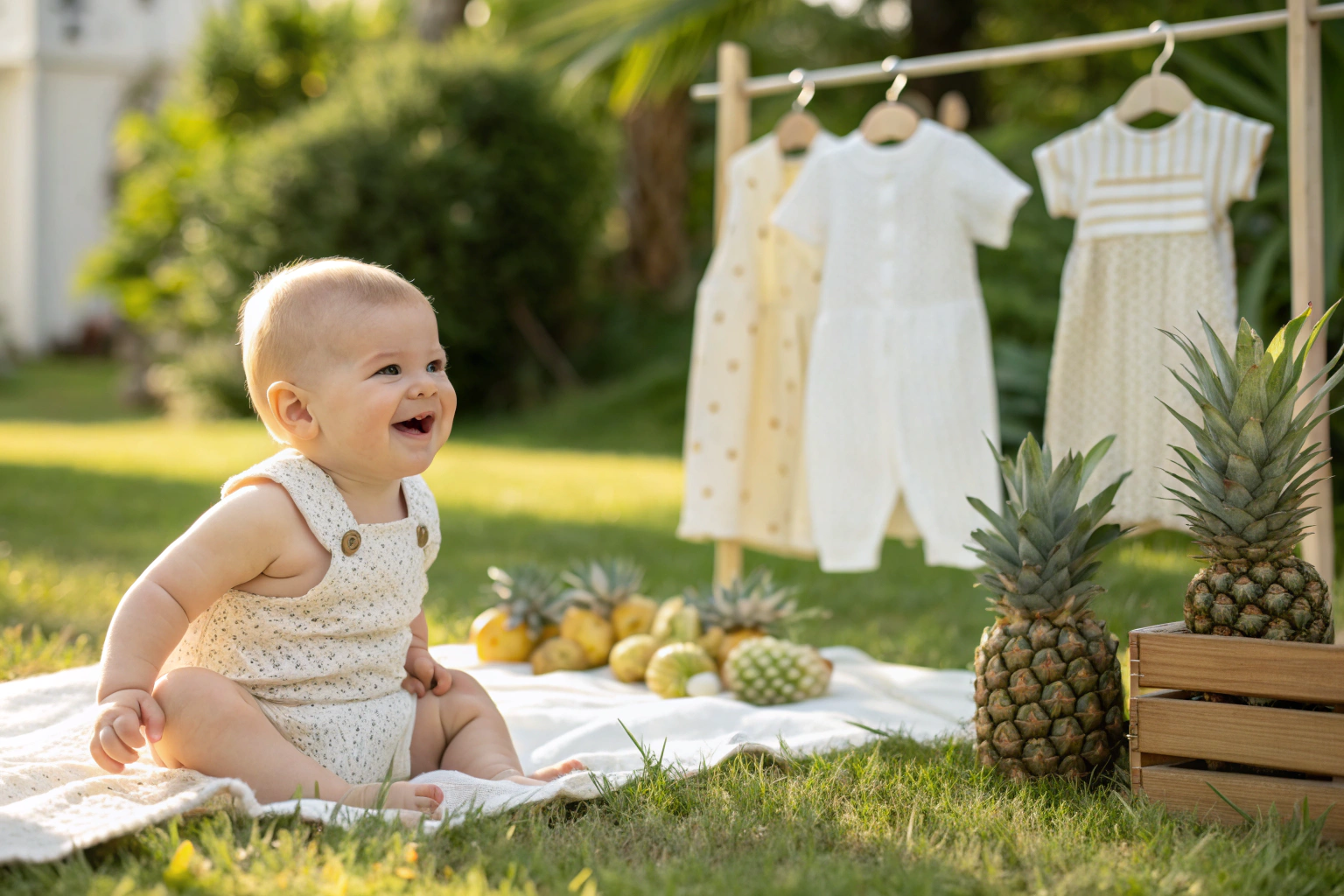
To leverage this trend, brands should focus on transparent storytelling. Educate your customers about the benefits and origin of pineapple fiber through your marketing channels. Highlight its comfort, sustainability, and uniqueness. Start by introducing it in core summer pieces like rompers, onesies, and lightweight dresses. Collaborate with a manufacturer, like us at Fumao Clothing, who has experience in bringing such innovative concepts to life at a commercial scale. We can guide you on fabric blending (e.g., pineapple fiber with organic cotton) to optimize cost and functionality, ensuring your collection is both desirable and deliverable.
Conclusion
Pineapple fiber stands out as a premier choice for summer baby clothes, masterfully combining comfort, health benefits, and environmental responsibility. Its superior breathability and moisture-wicking properties keep babies cool and dry, while its sustainable origin resonates with the values of today’s conscious consumers. For brands, it represents an opportunity to lead in the innovative and eco-friendly children’s fashion market.
We have explored its advantages, compared it with other fabrics, and provided a roadmap for sourcing. The future of baby fashion is green, soft, and smart—and pineapple fiber is undoubtedly a part of that future.
If you are ready to develop a stunning and comfortable summer collection using innovative materials like pineapple fiber, partner with a manufacturer that prioritizes quality and reliability. Contact our Business Director, Elaine, at elaine@fumaoclothing.com to discuss how we can help you create best-selling, high-quality baby wear. Let’s build the next trend in children’s fashion together.