In today’s competitive children’s wear market, brand owners like you are facing a new challenge. Consumers are increasingly demanding sustainable products. They want to know that the clothes they buy for their children are not only safe and high-quality but also kind to the planet. This shift is making "climate-positive" a key differentiator. But how do you, as a busy buyer, navigate this complex sourcing landscape? The process can seem overwhelming, filled with vague claims and uncertain costs.
Sourcing climate-positive infant collections is no longer a niche trend but a core business strategy. It involves a deliberate shift in your supply chain, focusing on partners who can verify their use of sustainable materials like organic cotton, implement energy-efficient manufacturing, and maintain transparent, ethical practices from raw material to finished garment. This approach not only meets consumer demand but also future-proofs your brand against tightening environmental regulations.
Transitioning to a climate-positive supply chain requires a reliable partner. At Fumao Clothing, we have spent years integrating sustainable practices into our production for American and European brands. Let’s explore the key steps to successfully source these collections.
What are the key certifications for climate-positive baby clothes?
When you hear "climate-positive," your first question might be about proof. Certifications are the unbiased verification that your claims are credible. For infant apparel, where safety is paramount, these certifications are non-negotiable. They protect your brand and give your customers confidence.
The most critical certifications for climate-positive baby clothes validate the materials and the production process. Relying solely on a supplier’s word is a significant risk. Third-party certifications provide the concrete evidence you need to market your collections authentically and avoid accusations of greenwashing.

How do material certifications like GOTS ensure authenticity?
The Global Organic Textile Standard (GOTS) is the gold standard for organic fibers. It doesn’t just check the cotton field. GOTS tracks the entire supply chain. It ensures strict environmental and social criteria are met from harvesting to labeling. This includes prohibiting toxic chemicals and ensuring fair labor practices. When you source GOTS-certified organic cotton, you are getting a product that is truly sustainable from start to finish. For any brand serious about climate-positive infant wear, insisting on GOTS certification is the first and most crucial step. It is a recognized standard that resonates strongly with environmentally conscious consumers in North America and Europe.
Why is OEKO-TEX STeP important for the manufacturing process?
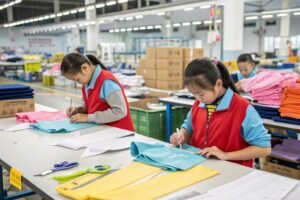
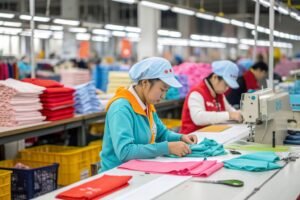
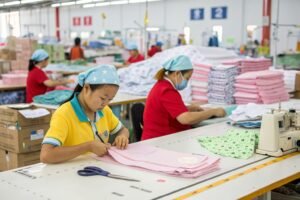
While GOTS focuses on the material, the OEKO-TEX STeP certification assesses the manufacturing facility itself. STeP stands for Sustainable Textile Production. It evaluates a factory’s performance in six key areas: environmental management, chemical management, social responsibility, quality management, and health and safety. For a buyer, this certification is a clear signal that the factory, like ours at Fumao, is committed to reducing its environmental footprint. It means the water and energy used to make your baby clothes are managed responsibly. Partnering with a STeP-certified manufacturer minimizes your risk and ensures your products are made in a facility that aligns with your brand’s values. This is especially important when sourcing from countries like China, as it provides an international benchmark for sustainability.
How to verify a supplier’s true environmental commitment?
Finding a supplier who claims to be sustainable is easy. Verifying that claim is where the real work lies. Many buyers have been disappointed by suppliers who overpromise and underdeliver, especially on complex issues like carbon footprint. This verification process is critical to protecting your brand’s reputation.
True environmental commitment goes beyond a certificate PDF. It requires a proactive and transparent partner. You need a supplier who is willing to open their doors, share data, and engage in honest conversations about their challenges and improvements. This level of transparency is what separates true partners from simple vendors.

What questions should you ask about their supply chain transparency?
Do not be afraid to ask direct questions. Start by asking for a detailed map of their supply chain. Where do they source their raw materials? A credible supplier will know their yarn spinner and their fabric mill. Ask for their energy sources: do they use renewable energy in their production? Inquire about their waste management and water recycling systems. At Fumao, we welcome these questions. We provide documented evidence of our material sources and our factory’s environmental initiatives. This direct inquiry is the most effective way to gauge a supplier’s actual commitment and avoid those who might falsify information.
Can you request a life cycle assessment (LCA) report?
A Life Cycle Assessment (LCA) report is a comprehensive analysis of a product’s environmental impact from cradle to grave. It quantifies carbon emissions, water usage, and other factors. While not every factory can provide one, requesting it shows you are a serious buyer. A supplier genuinely invested in climate-positive production will either have LCA data for their key products or be willing to collaborate on generating one. This report provides the hard data you need to make accurate marketing claims about the reduced environmental impact of your infant collections. It transforms vague sustainability talk into measurable, actionable insights.
What are the best sustainable fabrics for infant apparel?
The choice of fabric is the foundation of any climate-positive infant collection. The right material ensures comfort, safety, and a lower environmental impact. However, with so many options available, selecting the best one for your specific product line can be confusing.
The best fabrics balance sustainability with the practical needs of infants and their parents. They must be exceptionally soft, hypoallergenic, durable enough for multiple washes, and of course, have a verifiably low environmental footprint. The trend in欧美童装 is moving decisively towards these advanced materials.
| Fabric Type | Key Benefits | Ideal For | Considerations |
|---|---|---|---|
| GOTS Certified Organic Cotton | Soft, breathable, no toxic pesticides; strict social compliance. | Everyday wear, bodysuits, pajamas. | The benchmark for quality and sustainability. |
| Recycled PET (rPET) | Diverts plastic bottles from landfills; durable and versatile. | Outerwear, fleece items, accessories. | Shows a strong commitment to circular economy. |
| TENCEL™ Lyocell | Made from sustainable wood pulp; biodegradable; extremely soft. | Premium collections, sensitive skin. | Offers a luxurious feel and excellent moisture-wicking. |

Why is GOTS organic cotton the industry benchmark?
GOTS-certified organic cotton remains the top choice for a reason. It addresses the major environmental issues of conventional cotton farming, which is notorious for its high water and pesticide use. By choosing GOTS organic cotton, you directly support farming that protects soil health and biodiversity. For infant clothing, its guaranteed freedom from harmful chemicals is a paramount safety feature. It is a trusted, well-understood fiber that consumers recognize and value, making it a safe and responsible choice for your core infant collection.
How do innovative fabrics like TENCEL™ Lyocell add value?
While organic cotton is essential, innovation drives brand leadership. Fabrics like TENCEL™ Lyocell, derived from sustainably sourced wood, offer unique benefits. The closed-loop production process recycles water and reuses solvents, minimizing waste. The resulting fabric is softer than cotton, highly absorbent, and biodegradable. Using TENCEL™ in your infant collections allows you to market a premium, technologically advanced product. It signals to your customers that your brand is at the forefront of sustainable fashion, justifying a higher price point and building brand loyalty.
How does DDP shipping model support your green goals?
You might wonder how logistics, the final step, connects to being climate-positive. The truth is, the shipping method you choose has a significant impact on your carbon footprint and operational efficiency. An inefficient shipping process can undermine all the sustainable efforts made during production.
The Delivered Duty Paid (DDP) Incoterm is not just a pricing model; it’s a strategy for streamlined, transparent, and often more environmentally efficient logistics. It gives you, the buyer, complete control and predictability, which is crucial for managing your brand’s overall environmental impact.

How does consolidated shipping reduce carbon emissions?
Under a DDP model, the supplier consolidates shipments from multiple clients. Instead of sending numerous small, half-empty containers, we can fill entire containers. This consolidation dramatically reduces the number of voyages required, leading to lower fuel consumption and carbon emissions per garment. For you, this means your infant collections are not only shipped reliably but also in a manner that aligns with your climate-positive goals. It is a practical example of how a strong partnership with your manufacturer can yield both economic and environmental benefits.
Why does supply chain control prevent delays and waste?
A DDP model means the supplier manages the entire logistics chain until the goods arrive at your warehouse. This end-to-end control eliminates communication gaps between factories, freight forwarders, and customs brokers. Fewer delays mean your goods reach you on time, perfectly aligned with your selling season. This reliability prevents a major source of waste in our industry: missed seasons that lead to discounted, unsold inventory. By ensuring timely delivery, the DDP model supports a lean, demand-driven business model that is inherently more sustainable.
Conclusion
Sourcing climate-positive infant collections is a multifaceted journey. It requires a focus on verifiable certifications, deep supplier verification, intelligent fabric selection, and a logistics model that prioritizes efficiency. This approach is no longer just about ethics; it’s a smart business decision that builds brand trust, meets consumer demand, and ensures long-term profitability.
We understand the challenges you face, from quality control to on-time delivery. At Shanghai Fumao Clothing, we have built our business on solving these problems for brand owners like you. We invite you to experience the difference a truly committed partner can make. Let’s discuss how we can help you develop a profitable and planet-friendly infant collection. Please contact our Business Director, Elaine, at elaine@fumaoclothing.com to start the conversation.