In today’s competitive children’s wear market, brand owners like you are constantly seeking that critical edge. You’re not just selling clothes; you’re selling trust, safety, and a promise to parents. But how can you tangibly prove your commitment to these values, especially when sourcing from overseas manufacturers? The answer lies in a powerful, verifiable credential that goes beyond a simple "eco-friendly" label.
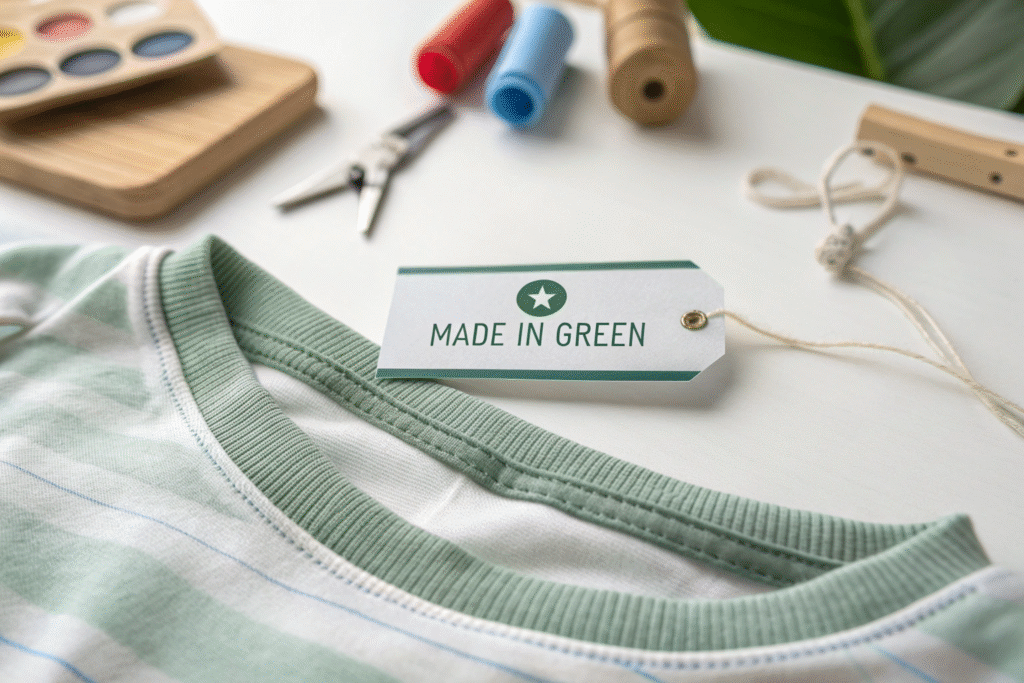
Choosing OEKO-TEX MADE IN GREEN certification is a strategic business decision for kids’ wear brands aiming to validate product safety, sustainable production, and transparent supply chains directly to consumers. This label acts as a unique, scannable trust signal, differentiating your brand in a crowded marketplace and directly addressing the growing consumer demand for verified responsibility. It transforms your sourcing choices into a compelling marketing asset.
For over two decades, we have navigated the complexities of manufacturing for the American and European markets. We’ve seen firsthand how certifications can make or break a brand’s reputation. Let’s explore why this particular certification should be a cornerstone of your quality assurance strategy.
What Exactly is the OEKO-TEX MADE IN GREEN Label?
You may have heard of OEKO-TEX standards, but the MADE IN GREEN label is a distinct and more comprehensive achievement. It’s not just a badge; it’s a story of your product’s journey from raw material to finished garment.
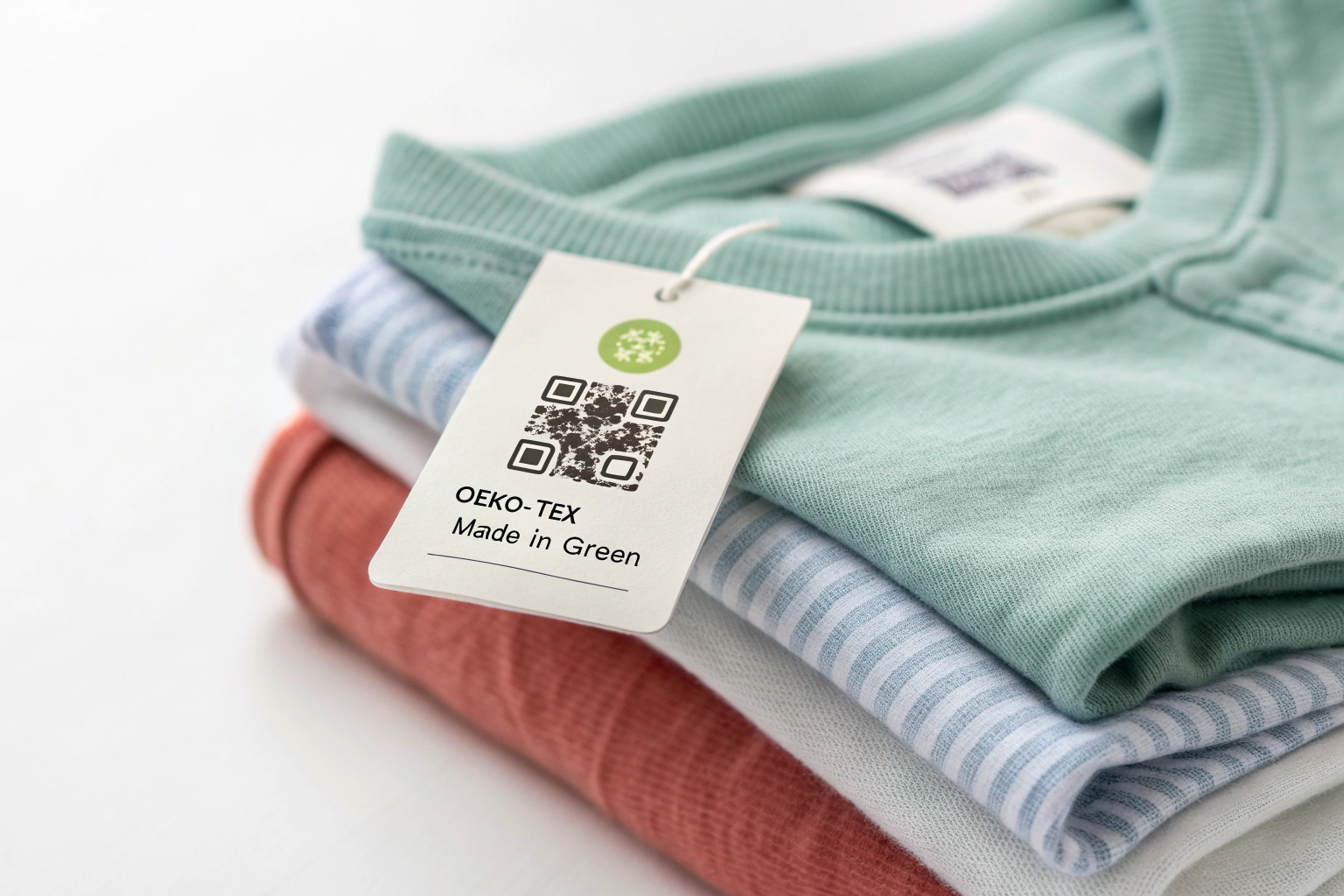
At its core, the OEKO-TEX MADE IN GREEN label is a traceable product label for all types of textiles that confirms the item has been tested for harmful substances and manufactured in sustainable facilities under socially responsible working conditions. Think of it as a triple guarantee. It combines the requirements of STANDARD 100 (product human-ecological safety) and STeP (Sustainable Textile Production) into one consumer-facing mark. Each label has a unique ID or QR code that your customers can scan to see the specific factories where the product was made, adding a layer of transparency that is rare in our industry.
This transparency directly addresses a common pain point for buyers like you: the fear of suppliers falsifying certificates. With MADE IN GREEN, the verification is built into the label itself, making it incredibly difficult to counterfeit. This provides you with undeniable proof of your supply chain’s integrity.

How does MADE IN GREEN differ from other OEKO-TEX certifications?
Many manufacturers claim OEKO-TEX certification, but it’s crucial to understand the differences. The well-known OEKO-TEX STANDARD 100 certification only tests the final product for harmful substances. It’s a vital first step, but it doesn’t address how the product was made. The MADE IN GREEN label is more comprehensive. It requires the product to first meet STANDARD 100 criteria. Then, it adds two critical layers: the factory must be certified under OEKO-TEX STeP for environmentally friendly and socially responsible manufacturing, and the supply chain must be fully transparent and traceable. This multi-layered approach makes MADE IN GREEN the pinnacle of OEKO-TEX certifications, offering a story you can confidently share with your customers.
Why is supply chain transparency a game-changer for brands?
For a brand owner, transparency is no longer a nice-to-have; it’s a business imperative. The MADE IN GREEN label provides a tool for this. When a parent scans the QR code on your garment’s label, they are taken to a webpage showing the production facilities. This level of openness builds immense trust. It proves you have nothing to hide about your manufacturing partners. It also simplifies your own quality control processes. You can be assured that every step of production, from the fabric mill to the sewing factory, has been independently audited for safety and sustainability. This mitigates risk and protects your brand’s reputation before a product even hits the shelves.
How Can MADE IN GREEN Certification Boost Your Brand’s Market Position?
Beyond risk mitigation, this certification is a powerful commercial tool. It directly influences purchasing decisions and enhances your brand’s perceived value.
In an era where consumers are increasingly skeptical of greenwashing, a verifiable label like MADE IN GREEN cuts through the noise. It provides a clear, understandable reason for parents to choose your brand over a competitor’s. This certification allows you to command a premium price point because it validates the higher quality and ethical standards you are paying for during sourcing. It’s not just a cost; it’s an investment in your brand equity. By aligning your brand with internationally recognized standards, you strengthen your position in the competitive North American and European children’s wear markets.
Can this certification help me reach new customers?
Absolutely. The modern consumer, especially the millennial parent, actively seeks out brands that align with their values. They read labels and research brands online. By featuring the MADE IN GREEN label prominently in your marketing materials, on your website, and on product tags, you are speaking their language. It serves as a quick, visual cue that your brand is safe and responsible. This can be a key differentiator on platforms like Alibaba or in B2B meetings, showing serious buyers that you are a professional partner who understands end-consumer demands. It makes your sales pitch more compelling and fact-based.
Does it provide a tangible return on investment (ROI)?
Viewing certification as an ROI question is smart business. The return comes in several forms. First, it can reduce liability and the costs associated with product recalls or negative publicity. Second, it can increase sales conversion rates by building consumer trust. Third, it can streamline your own sourcing and quality control efforts, as the certification provides a reliable framework for assessing your supplier’s practices. While there is an upfront cost for the manufacturer to obtain the certification, for a brand, it primarily enhances value and mitigates risk, leading to stronger long-term profitability and brand loyalty.
What Are the Practical Requirements for a Manufacturer to Achieve This Certification?
Understanding what goes into the certification process helps you, the buyer, evaluate potential suppliers more effectively. It separates credible partners from those making empty claims.
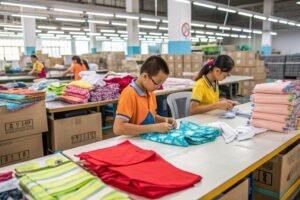
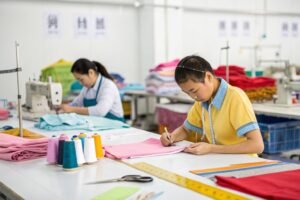
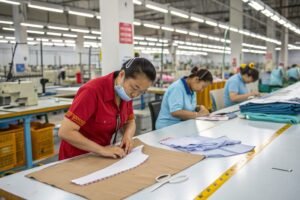
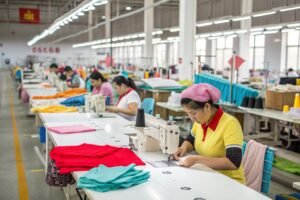
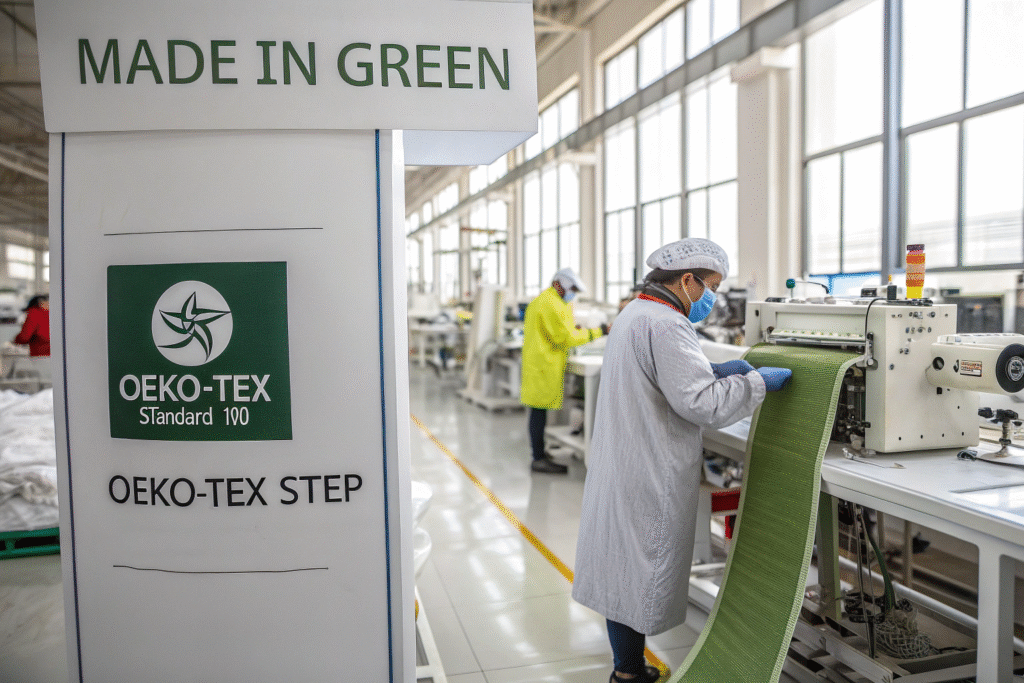
For a factory like ours to be authorized to apply the MADE IN GREEN label to your orders, we must undergo a rigorous two-part process. First, the specific textiles or garments must be certified according to OEKO-TEX STANDARD 100 through independent laboratory tests. Second, every production facility involved in the manufacturing process (from spinning and weaving to dyeing, finishing, and sewing) must be certified according to the OEKO-TEX STeP standard. STeP assesses critical areas like chemical management, environmental performance, quality management, and social responsibility, including fair working conditions. This ensures the entire creation process is sustainable.
How does the STeP certification benefit my orders directly?
The STeP certification for sustainable production is not just about ethics; it has direct implications for your order’s quality and reliability. A factory that manages chemicals properly will produce garments with better color fastness and consistency. A facility focused on environmental efficiency often has more advanced machinery, leading to higher precision in cutting and sewing. Strong social responsibility practices reduce worker turnover, resulting in a more skilled and consistent workforce paying better attention to detail. This comprehensive approach to manufacturing directly translates to a superior final product for your brand and a more stable supply chain.
What should I ask a potential supplier about their certification?
To avoid miscommunication and ensure authenticity, ask pointed questions. Don’t just ask, "Are you OEKO-TEX certified?" Instead, ask: "Can you produce a valid OEKO-TEX MADE IN GREEN license for the specific products I am ordering?" and "Can you provide the unique QR code for me to test scan?" Also, inquire about the scope of their STeP certification—does it cover the entire production process under one roof? Their ability to provide clear, immediate answers and evidence is a strong indicator of a trustworthy partner who has invested in legitimate certifications.
How Does Partnering with a MADE IN GREEN Certified Factory Simplify Your Sourcing?
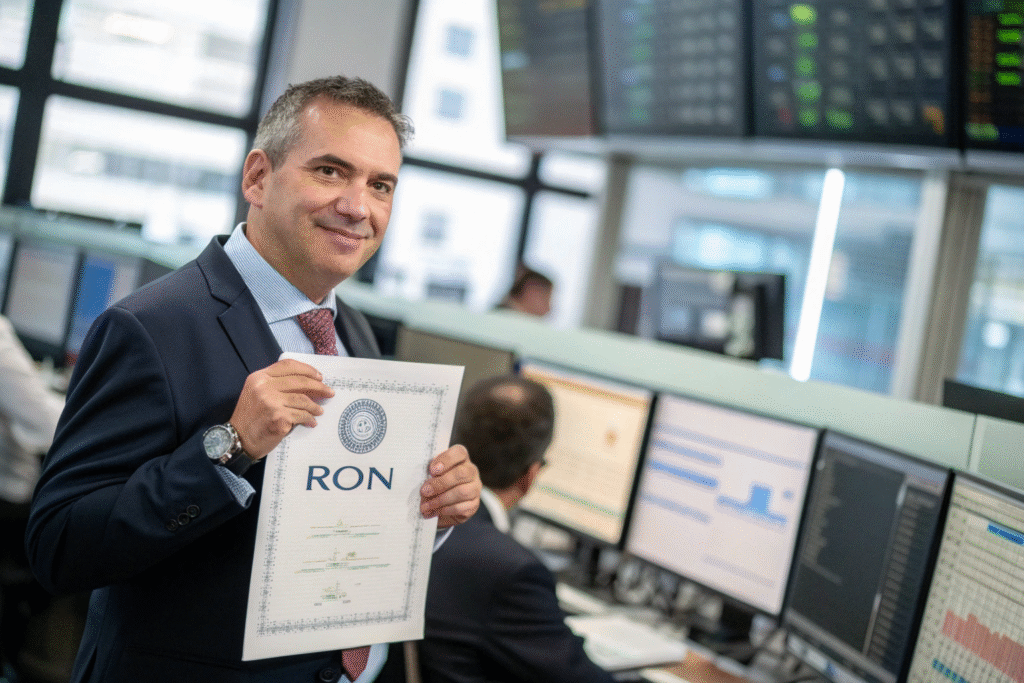
The ultimate value of this certification for a brand owner like Ron is the simplification of complex supply chain management. It outsources critical verification to a globally recognized third party.
When you choose a manufacturer already certified for MADE IN GREEN production, you are effectively leveraging their investment in quality and sustainability. It eliminates your need to conduct deep, on-the-ground audits of every factory, saving you significant time and resources. You can be confident that issues like logistics of material sourcing, chemical usage, and worker welfare are being monitored to a high standard. This allows you to focus on what you do best: designing, marketing, and selling your brand. Furthermore, using a certified factory significantly de-risks your DDP (Delivered Duty Paid) shipments, as the standardized processes reduce the likelihood of delays or rejections at customs due to non-compliant materials.
How does this address common pain points like delayed shipments?
Many delayed shipments stem from quality issues discovered late in the process, such as failed safety tests or inconsistent dye lots. A MADE IN GREEN certified factory has proactive systems in place to prevent these problems. Their certified quality management system ensures consistent checks throughout production, catching defects early. The environmental requirements of STeP often lead to better resource planning and more predictable production timelines. This reliability is crucial for hitting your selling seasons and maintaining profitability.
Is the certification a guarantee of overall manufacturing quality?
While OEKO-TEX MADE IN GREEN focuses heavily on safety, sustainability, and social responsibility, it is an excellent indicator of a high-quality manufacturer. A factory committed to this level of investment and transparency is typically also committed to excellence in craftsmanship and on-time delivery. The discipline required to maintain STeP certification often spills over into all aspects of their operations, including quality control for stitching, fit, and finish. It signals a professional partner who understands the demands of international brands.
Conclusion
In conclusion, the OEKO-TEX MADE IN GREEN certification is far more than a label; it is a comprehensive supply chain solution. It validates product safety, ensures environmentally and socially responsible manufacturing, and provides the transparency that modern consumers and savvy buyers demand. For children’s wear brands, it is a powerful tool to build trust, enhance market position, and de-risk the global sourcing process.
By prioritizing partnerships with certified manufacturers, you invest in your brand’s long-term credibility and success. You gain a partner whose processes are aligned with international standards, ensuring quality and reliability from the ground up.
If you are looking for a dependable partner to produce high-quality, OEKO-TEX MADE IN GREEN certified children’s clothing, we are here to help. Our factory is committed to these standards, ensuring your orders meet the highest levels of safety and sustainability. Contact our Business Director, Elaine, today to discuss your specific needs and how we can support your brand’s growth. Reach out at elaine@fumaoclothing.com to start a conversation.