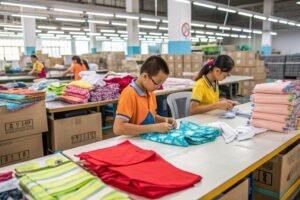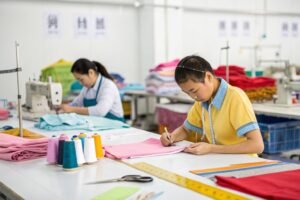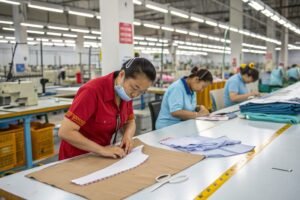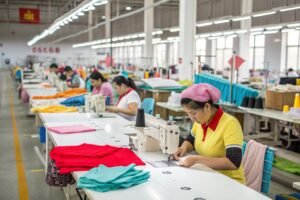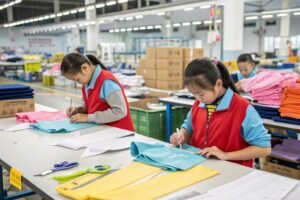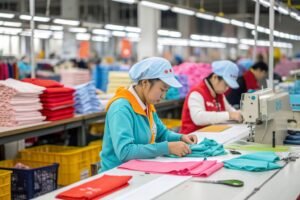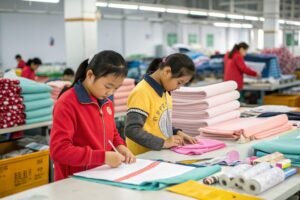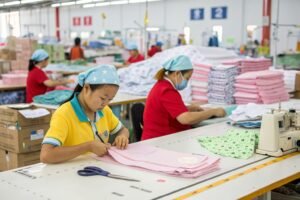
As a children’s clothing manufacturer, we are constantly exploring ways to make our products better and more sustainable. Parents today are increasingly conscious about the origins of the materials in their children’s clothes. They ask us: is this fabric safe? Is it environmentally friendly? This leads us to a crucial question about one of our primary materials: cotton. Traditional cotton farming often involves heavy water usage and pesticides. But there is a better way. Understanding the source of our materials is not just a trend; it’s a responsibility. We believe that the best children’s clothing starts with the best raw materials, grown in a way that heals the planet.
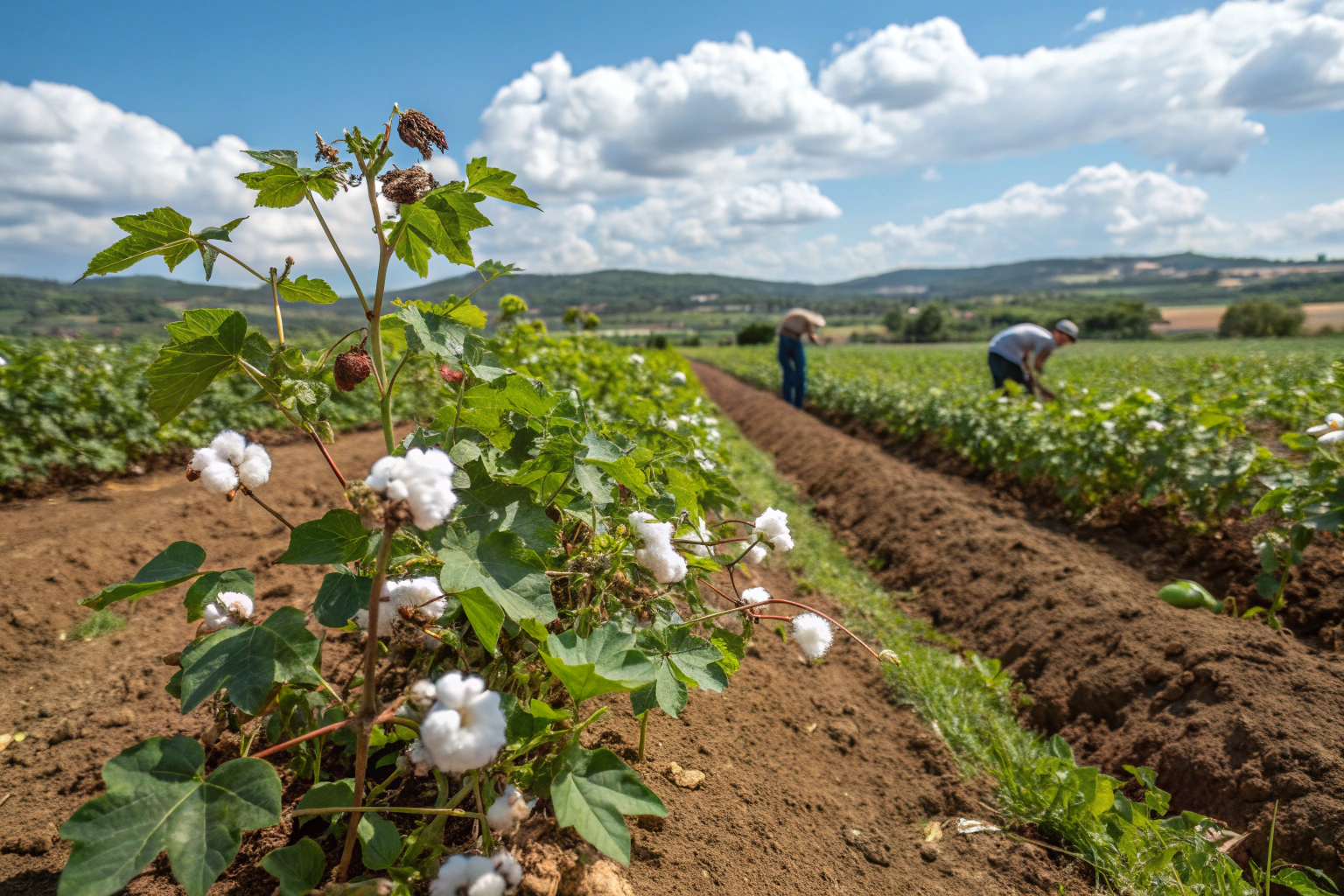
Regenerative agriculture cotton refers to cotton grown using farming principles that aim to restore and enhance soil health, biodiversity, and ecosystem resilience. It goes beyond sustainability by actively improving the land rather than just minimizing harm. For clothing manufacturers like us, sourcing this type of cotton means investing in a supply chain that is better for the environment and produces superior, cleaner raw materials. This approach is fundamental for brands that want to offer genuine, verifiable eco-friendly products to their customers.
Let’s delve into the specifics of regenerative cotton, why it matters for your brand, and how it differs from other eco-friendly options.
What are the key principles of regenerative cotton farming?
The term "regenerative" can seem complex, but its core principles are based on working with nature, not against it. For us as manufacturers, understanding these principles is the first step to verifying authentic regenerative sources. It’s about the how, not just the what.
The key principles focus on soil health and ecosystem dynamics. Farmers minimize soil disturbance, often through no-till practices. They keep the soil covered with plants year-round. They promote biodiversity by growing a variety of crops together. They integrate livestock into their fields in a managed way. And they focus on the natural water cycle. Together, these practices create a resilient farming system.

How does regenerative agriculture improve soil health?
Conventional farming can deplete soil organic matter, turning it into mere dirt. Regenerative practices reverse this. By reducing tillage, the soil structure remains intact. This protects the complex ecosystem of fungi and bacteria crucial for plant health. Cover crops, like legumes, add natural nutrients back into the earth, reducing the need for synthetic fertilizers. Healthier soil acts like a sponge, absorbing more water and making farms more resilient to droughts and floods. This directly impacts the cotton fiber, often resulting in stronger and more consistent strands. For businesses concerned with sustainable sourcing, this method provides a clear, environmental benefit that can be communicated to end-consumers.
What is the difference between organic and regenerative cotton?
Many of our clients ask about this distinction. While both are positive choices, they are not the same. Organic cotton certification primarily restricts the use of synthetic pesticides and fertilizers. It is a vital standard for reducing harmful chemical inputs. However, regenerative agriculture is a broader, outcome-based framework. A farm can be organic but may not actively focus on improving soil organic matter or enhancing biodiversity. Regenerative farming includes organic practices but adds the crucial goal of ecosystem restoration. Think of organic as "do no harm" and regenerative as "actively make better." This is a key point for brands developing their corporate social responsibility strategy, as regenerative outcomes are often measurable, such as through increased soil carbon levels.
Why should clothing brands source regenerative cotton?
For business owners like Ron, decisions are driven by both values and value. Sourcing regenerative cotton isn’t just an ethical choice; it’s a strategic business decision with tangible benefits. In a crowded market, it provides a powerful point of differentiation.
Brands that invest in regenerative materials are future-proofing their supply chains. Healthier soils are more resilient to climate change, reducing risks associated with crop failure. Furthermore, this commitment builds deep trust with a growing segment of eco-conscious consumers. It tells a compelling story that goes beyond the final product, connecting the customer to a positive environmental impact.

How can regenerative cotton enhance brand reputation?
Today’s consumers, especially in the mid-to-high segment, are savvy. They seek authenticity and are skeptical of greenwashing. By sourcing verifiable regenerative cotton, you can make a specific, credible claim. You’re not just saying "eco-friendly"; you’re saying "we support farming that rebuilds our planet." This strengthens brand loyalty and can justify a premium price point. It aligns your brand with forward-thinking environmental action. Communicating this story effectively through marketing and on your product labeling can create a significant competitive advantage.
Does regenerative cotton offer supply chain advantages?
Absolutely. From a manufacturing perspective, resilience is key. Regenerative farms are often more biodiverse and less reliant on external inputs like synthetic fertilizers, whose costs can be volatile. This can lead to more stable long-term pricing. Also, as regulations around environmental reporting tighten (like the EU’s strategy for sustainable textiles), having a supply chain already built on verifiable regenerative principles positions your brand ahead of the curve. It simplifies compliance and demonstrates proactive supply chain management to investors and partners.
How to verify authentic regenerative cotton sources?
The biggest challenge in this space is verification. Without robust standards, any supplier could claim their cotton is "regenerative." For a serious buyer, due diligence is non-negotiable. You need proof, not just promises.
Verification relies on third-party certifications and direct supplier relationships. Look for certifications that go beyond input restrictions and actually measure on-farm outcomes. Ask suppliers for transparent documentation about their farming partners and the specific practices used. The most credible claims are backed by data.

What certifications should brands look for?
While a single universal standard for regenerative agriculture is still evolving, several robust frameworks exist. The Regenerative Organic Certification (ROC) is a leading example. It combines high standards for soil health, animal welfare, and social fairness. Another key program is the Soil Carbon Initiative, which focuses directly on measuring carbon sequestration in the soil—a primary indicator of regenerative success. Brands should also consider fibers verified by the Textile Exchange, which promotes standards across the sustainable raw materials landscape. These certifications provide a critical layer of trust and simplify the sourcing process for busy buyers.
What questions should you ask your supplier?
Your relationship with your manufacturer is key. Don’t hesitate to ask us direct questions. Inquire about our traceability systems: Can you trace the cotton back to specific farm groups? What regenerative practices do those farmers employ? Can you provide annual impact reports showing metrics like soil organic matter increase? A reputable manufacturer, like our company, will be transparent and proud to share this information. This level of inquiry is part of effective quality control and ensures that your investment in sustainability is genuine.
Is regenerative cotton more expensive for bulk orders?
Cost is always a primary concern, and rightly so. The perception is that regenerative cotton must carry a significant premium. While there can be an initial cost difference, the total value equation often tells a different story.
Yes, regenerative cotton typically costs more than conventional cotton. This reflects the more labor-intensive and knowledge-rich practices of the farmers. However, when you factor in the brand value, supply chain resilience, and risk mitigation it offers, the long-term return on investment becomes clear. It’s an investment in quality and stability.

How does the price compare to organic cotton?
Generally, regenerative cotton may have a similar or slightly higher price point than certified organic cotton. This is because the farming practices are often more comprehensive. However, the market is maturing. As demand grows and supply chains become more efficient, we are seeing prices become more competitive. For bulk B2B orders, we work to optimize costs through efficient logistics and long-term partnerships with farm cooperatives, making competitive pricing achievable without sacrificing our principles.
Can the cost premium be justified to consumers?
Many successful brands find that consumers are willing to pay a premium for products with a verified, positive impact. The key is effective communication. Instead of framing it as a "higher cost," present it as a "value choice." Explain that by choosing this garment, the customer is directly contributing to soil restoration and carbon drawdown. This transforms the purchase from a simple transaction into a meaningful action. This strategy is central to modern brand marketing and can effectively justify the price difference while building a loyal customer base.
Conclusion
Understanding regenerative agriculture cotton sources is no longer a niche interest but a critical consideration for forward-thinking children’s wear brands. It represents a shift from simply reducing damage to actively participating in environmental healing. The journey involves understanding the principles, recognizing the business benefits, diligently verifying sources, and appreciating the long-term value.
For brands ready to lead with authenticity and quality, regenerative cotton offers an unparalleled opportunity. It ensures that the clothes we make for the next generation also help protect the world they will inherit.
If you are looking for a manufacturing partner who understands these priorities and can reliably source high-quality regenerative materials, let’s talk. We have the experience and supply chain connections to bring your sustainable collection to life. For a direct conversation about your next order, please contact our Business Director, Elaine, at elaine@fumaoclothing.com. We are here to help you build a better product.