As a children’s clothing manufacturer, I see brands constantly seeking an edge. Parents today demand more than just cute designs; they want products that align with their values. This shift is pushing the kidswear industry toward sustainable innovation. One of the most exciting areas is the use of upcycled materials. But what exactly are these materials, and why are they becoming a game-changer for brands targeting the modern family?
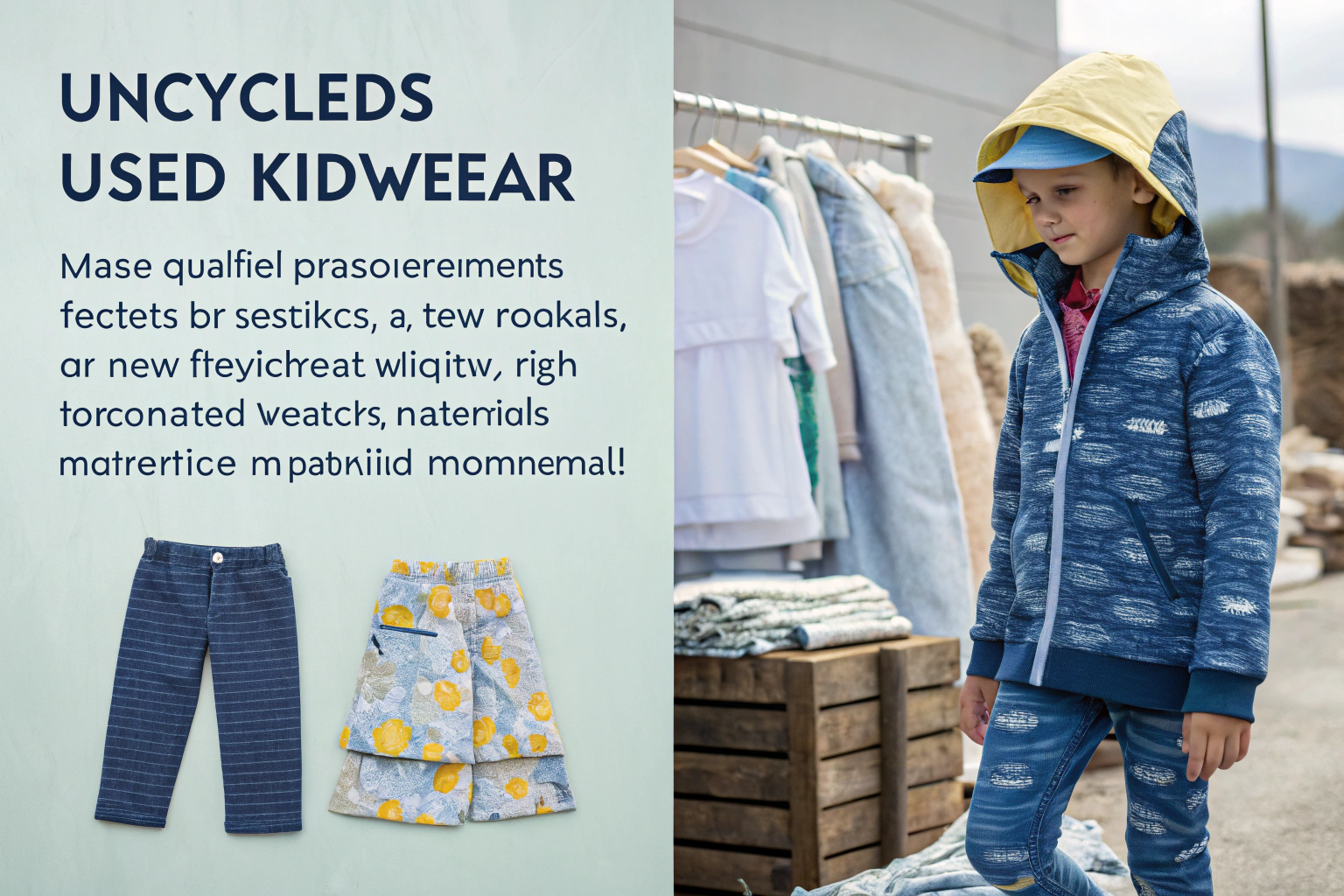
Upcycled materials for kidswear are waste products transformed into new, high-quality textiles. They offer a sustainable alternative to virgin materials without compromising on style or performance. For brands, this innovation meets growing consumer demand for eco-conscious products while supporting a circular economy. From recycled polyester derived from plastic bottles to regenerated cotton from fabric scraps, these materials are redefining what’s possible in children’s fashion.
The journey toward sustainable manufacturing is not just a trend; it’s the future. Let’s explore the key innovations that can set your brand apart in a competitive market.
How Can Recycled Polyester from PET Bottles Enhance Kidswear?
The idea of turning trash into treasure is powerful. Recycled polyester, often called rPET, is a leading example. It starts with discarded plastic bottles. These bottles are cleaned, shredded into flakes, and processed into polyester fibers. This process gives a second life to plastic waste that would otherwise pollute our environment.
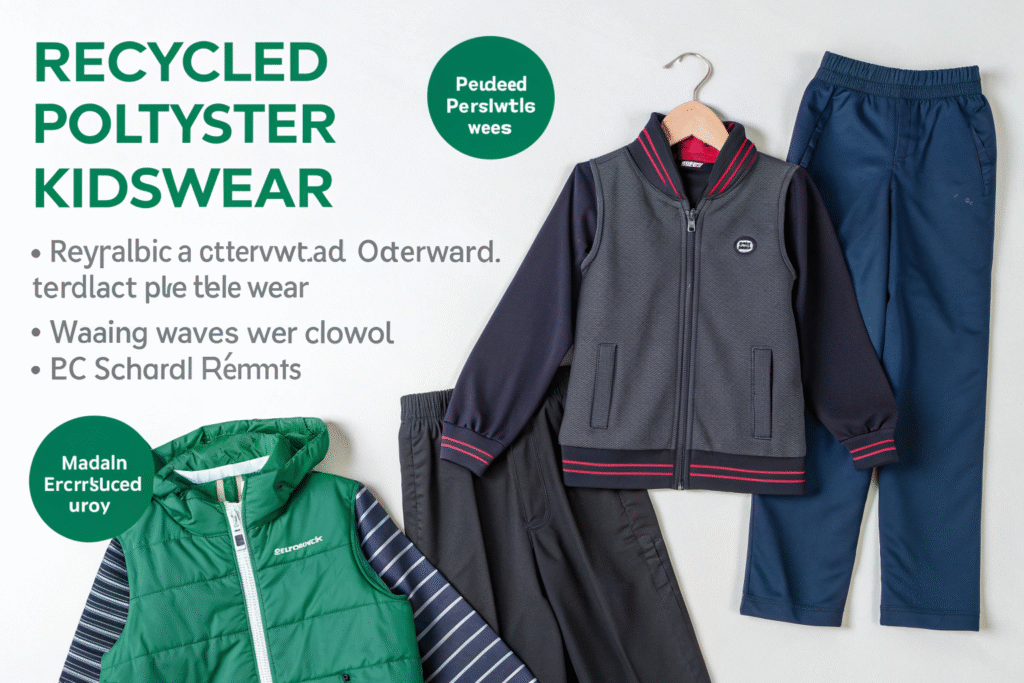
Recycled polyester offers significant benefits for kidswear. It provides the same durability and easy-care properties as virgin polyester but with a much lower environmental impact. This makes it ideal for activewear, outerwear, and school uniforms that need to withstand frequent washing and wear. By choosing rPET, brands can directly reduce their reliance on petroleum-based virgin materials and appeal to eco-aware consumers.
The production of rPET consumes less energy and water compared to its virgin counterpart. This is a crucial factor for brands aiming to lower their overall carbon footprint. We ensure that the rPET fabrics we use meet the same high standards for quality and safety as any other material in our collection.
What Are the Performance Advantages of rPET?
rPET is not just an eco-friendly choice; it’s a performance-driven one. The material is highly durable, resisting tears and abrasion. This is essential for children’s clothing, which must endure playground adventures and repeated laundering. The fibers can be engineered to be exceptionally soft, making them comfortable against a child’s sensitive skin. Furthermore, rPET offers excellent moisture-wicking properties. This helps keep children dry and comfortable during physical activity. Many leading sports brands utilize rPET for these functional benefits. For instance, the Global Recycled Standard (GRS) certifies the recycled content, giving brands and consumers confidence in the product’s claims.
How Does Sourcing rPET Support a Circular Economy?
Sourcing rPET is a tangible step toward a circular economy. It creates a market for post-consumer plastic waste. This helps divert plastic from landfills and oceans. Our partners provide traceability, so we know the origin of the materials. This transparent supply chain is increasingly important to brands like yours. It also reduces the need for new petroleum extraction. Using rPET can significantly lower a product’s carbon footprint. The Sustainable Apparel Coalition provides tools like the Higg Index to help measure this impact. By integrating rPET into your collections, you are not just selling clothes; you are promoting a sustainable system that benefits the planet.
Is Regenerated Cotton a Viable Alternative to Conventional Cotton?
Conventional cotton farming is notoriously thirsty, requiring vast amounts of water. Regenerated cotton, also known as recycled cotton, presents a solution. It is made by converting cotton fabric scraps or post-industrial waste back into new fibers. This process breathes new life into textile waste that would typically be discarded.
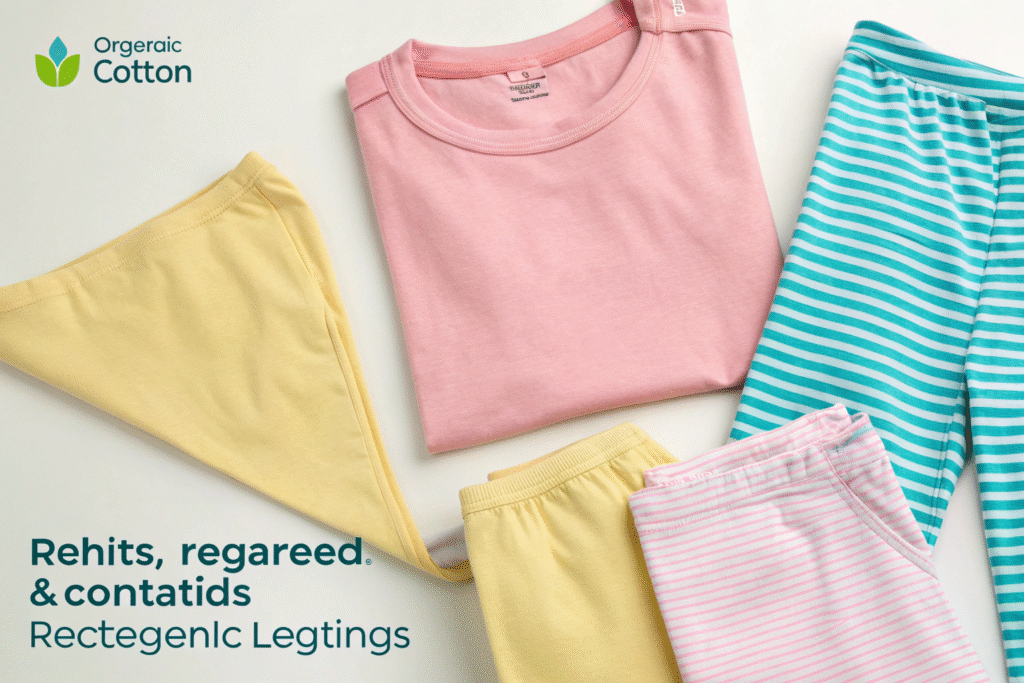
Regenerated cotton is a viable and sustainable alternative. It drastically reduces water and energy consumption compared to growing new cotton. While the fiber length may be shorter, blending it with other fibers like organic cotton creates a durable and soft fabric perfect for everyday kidswear. T-shirts, pajamas, and leggings made from regenerated cotton offer the familiar, breathable comfort of cotton with a compelling environmental story.
Using regenerated cotton helps close the loop in the fashion industry. It addresses the critical issue of textile waste. We work with suppliers who specialize in this regeneration process, ensuring the resulting yarn meets our quality expectations for strength and consistency.
How is Regenerated Cotton Produced?
The production of regenerated cotton is a mechanical process. First, cotton waste fabrics are sorted by color. This reduces the need for re-dyeing, saving water and chemicals. Next, the fabrics are shredded back into a fibrous state. These fibers are then cleaned and spun into new yarns. Because the shredding process shortens the fibers, the resulting yarn may not be as strong as virgin cotton yarn. To overcome this, it is often blended with longer, stronger fibers. This ensures the final fabric is robust enough for active children. The Recycled Claim Standard (RCS) provides verification for the recycled content in these blends.
What Are the End Uses for Regenerated Cotton in Kidswear?
Regenerated cotton is incredibly versatile. Its softness and breathability make it ideal for a range of children’s clothing. Common end uses include everyday basics like t-shirts, hoodies, and sweatpants. It is also excellent for delicate babywear, such as rompers and pajamas, where comfort is paramount. Because the fabric feels broken-in from the start, it offers immediate comfort without the need for multiple washes. Blending it with a small percentage of elastane creates comfortable stretch for active play. By choosing garments made from this material, brands can offer parents a sustainable choice for their children’s most-loved wardrobe staples.
Can Food Waste Be Transformed into Luxury Kidswear Fabrics?
This might sound like science fiction, but it’s a reality. Innovators are now turning food waste into beautiful, biodegradable textiles. Examples include fabric made from orange peels, leftover grapes from wine production, and even mushrooms. These materials represent the cutting edge of sustainable innovation.
Food waste can indeed be transformed into luxurious, soft fabrics suitable for kidswear. These materials are often biodegradable and require far fewer resources than conventional textile production. They offer a unique, high-end story for brands targeting the premium market. While currently more niche and costly, they point the way toward a future where waste is viewed as a valuable resource, opening doors for truly unique brand positioning.
Adopting these materials positions your brand as a forward-thinking leader. It shows a deep commitment to exploring every possible avenue for sustainability. We are actively monitoring these developments to offer our partners access to the latest material innovations.
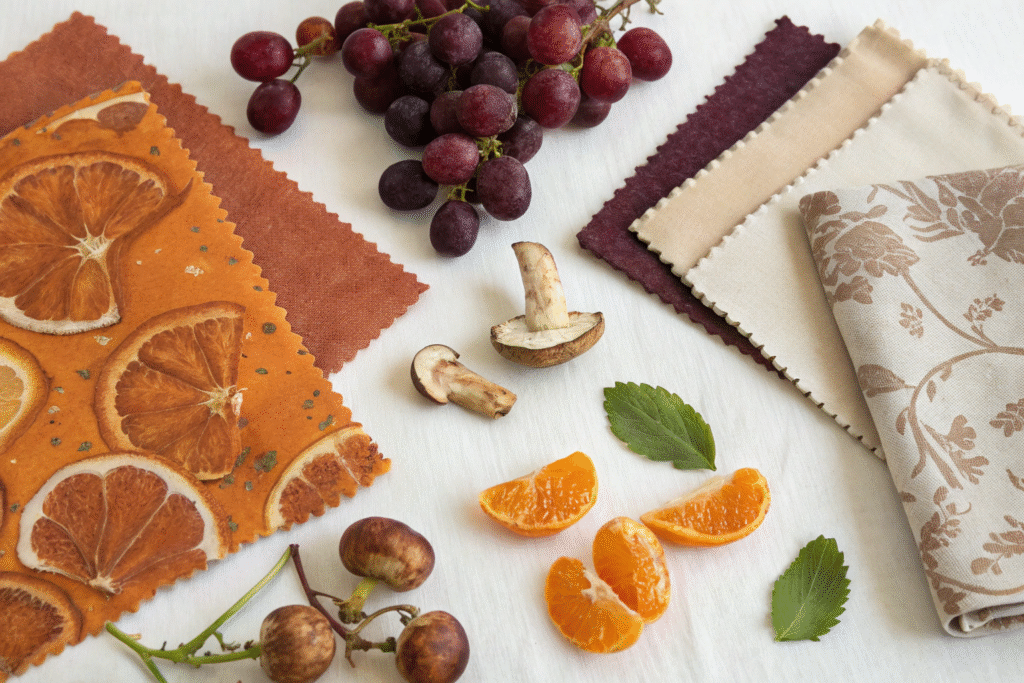
What are Some Examples of Fabrics from Food Waste?
One prominent example is fabric made from orange peels. The peels, a byproduct of juice production, are processed to extract a cellulose polymer. This polymer is then spun into a silky, soft fiber. Similarly, leftover grape skins, seeds, and stalks from winemaking can be transformed into a vegan leather alternative. Mushroom-based leather, or mycelium leather, is another rapidly advancing material. These innovations are gaining traction in the luxury fashion sector. While scaling production for the kidswear market is an ongoing challenge, early adopters can create a powerful narrative around innovation and circularity.
Why Should Brands Consider These Emerging Materials?
Brands should consider these materials for their high storytelling value. In a crowded market, a unique origin story can capture consumer attention and media interest. It demonstrates a brand’s commitment to pushing boundaries and investing in a sustainable future. Although the costs are higher now, early investment helps drive demand and scale production, ultimately making these materials more accessible. Partnering with a manufacturer like us, who is knowledgeable about these novel fabrics, ensures that your venture into this space is supported by expertise in quality control and production logistics. Exploring these options can future-proof your brand.
What Certifications Guarantee Authentic Upcycled Kidswear?
With growing interest in sustainability, greenwashing is a real concern. Certifications provide third-party verification, ensuring that claims about recycled content are authentic. They build trust with consumers and protect your brand’s reputation.
Key certifications that guarantee authentic upcycled kidswear include the Global Recycled Standard (GRS) and the Recycled Claim Standard (RCS). These standards track the recycled content throughout the supply chain, from source to final product. They also include strict environmental and social criteria. For brands, insisting on these certifications mitigates risk and provides a clear, marketable proof point for your sustainability efforts.
We understand that trust is paramount. That’s why we prioritize sourcing materials with these certifications and can guide you through the documentation process, ensuring full transparency for your customers.
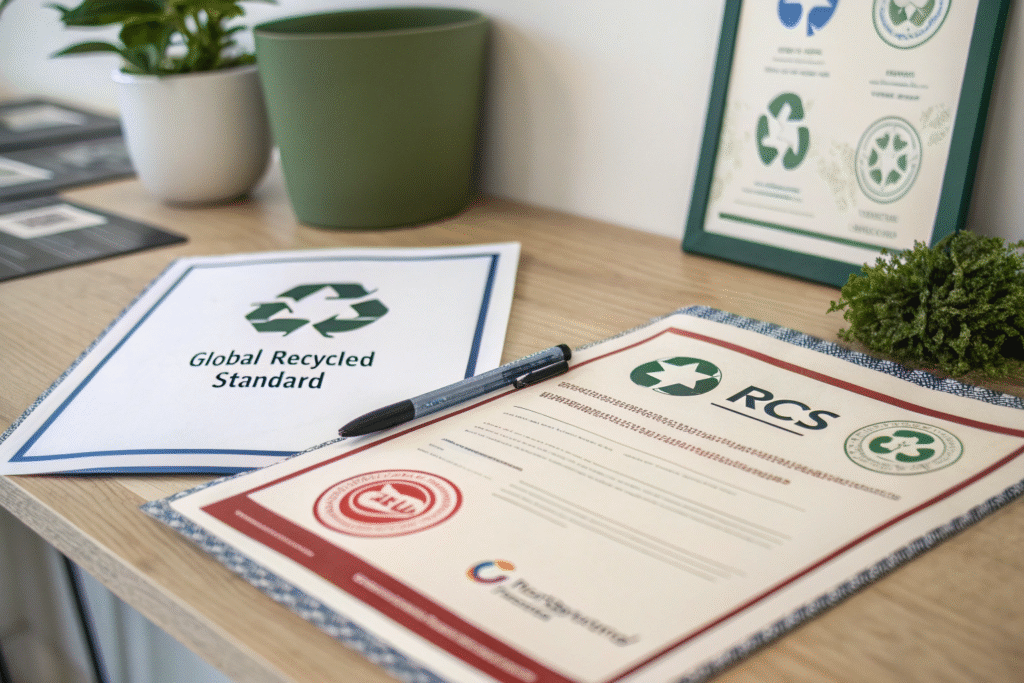
How Do the GRS and RCS Certifications Work?
The Global Recycled Standard (GRS) is more comprehensive. It verifies the recycled content in a product and also sets requirements for environmental processing and social responsibility at the manufacturing level. The Recycled Claim Standard (RCS) is simpler, focusing solely on tracking and verifying the recycled content. Both standards require a chain of custody certification. This means every supplier that handles the material, from the recycler to the spinner, knitter, dyer, and final garment manufacturer, must be certified. This system prevents fraud and ensures the integrity of the claim. You can learn more about these standards through Textile Exchange, the organization that manages them.
Why are Certifications Critical for Brand Trust?
Certifications are critical because they replace claims with proof. They offer an objective, verifiable seal of approval that consumers and retailers recognize. This is especially important when selling online, where customers cannot physically inspect the product. Displaying a certification logo on your hangtag or product page immediately communicates your commitment to authenticity. It differentiates your brand from those making vague "eco-friendly" claims without substantiation. In an era where consumers are increasingly skeptical, certifications provide the credibility needed to build long-term loyalty and justify a potential price premium for your sustainable products.
Conclusion
The world of upcycled materials for kidswear is vibrant and full of potential. From recycled polyester and cotton to innovative fabrics from food waste, these options allow brands to create high-quality, desirable products with a significantly reduced environmental footprint. Embracing these materials is no longer just an ethical choice; it’s a strategic business decision that aligns with evolving consumer values.
The journey towards sustainable manufacturing requires a reliable partner who understands both the materials and the market. If you are ready to explore how innovative upcycled materials can enhance your children’s clothing line, we are here to help. Contact our Business Director, Elaine, at elaine@fumaoclothing.com to discuss how we can partner to create collections that are both beautiful and responsible.