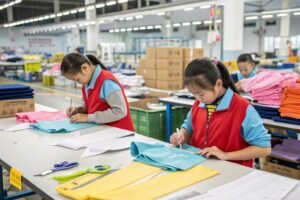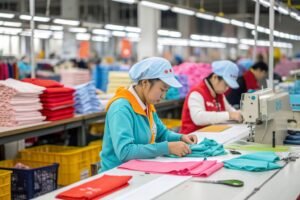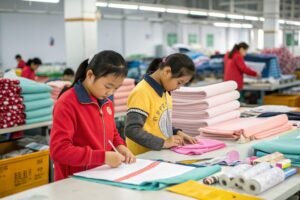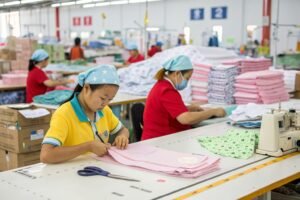
Finding a sustainable baby romper factory involves more than just locating a supplier; it requires ensuring that the manufacturer meets ethical and environmental standards while producing high-quality products. In today’s eco-conscious market, sustainability is a critical factor that affects both brand reputation and consumer preferences. This guide will help you navigate the process of identifying the best sustainable baby romper factories that align with your business’s environmental values and meet customer demands for high-quality, ethical products.
Why Sustainability Matters in Baby Romper Manufacturing?
Sustainability in the apparel industry is no longer just a trend—it’s a movement. For baby clothing, especially rompers, sustainability takes on even more importance due to the sensitive nature of a baby’s skin. Choosing sustainable baby rompers means selecting clothing made from safe, non-toxic, and organic materials that not only reduce the environmental impact but also promote the health and well-being of babies.
The baby apparel industry, especially in markets like the United States and Europe, is witnessing a shift toward sustainable and ethical production. Many brands are opting for organic cotton, bamboo fabric, and even recycled materials in their clothing lines. These materials are safer for babies and more environmentally friendly. Furthermore, ethical production practices, such as fair wages for workers and minimal environmental impact, are becoming a major factor in the buying decision for parents.

Why Organic Cotton Is Essential for Sustainable Baby Rompers
Organic cotton is one of the most popular materials for sustainable baby clothing. It is grown without the use of synthetic pesticides, fertilizers, or genetically modified organisms (GMOs). This not only benefits the environment by reducing chemical runoff into nearby ecosystems but also ensures that the fabric is free from harmful chemicals that could irritate a baby’s sensitive skin.
Organic cotton is soft, breathable, and hypoallergenic, making it an ideal fabric for baby rompers. It offers a more comfortable fit and allows the skin to breathe, preventing rashes and other skin irritations. For businesses, choosing organic cotton also provides a strong selling point in a competitive market. As demand for eco-conscious products grows, offering organic baby rompers is a powerful way to attract environmentally aware consumers.
How to Vet Potential Sustainable Baby Romper Factories?
Finding a sustainable baby romper factory requires more than just looking for one with a green label. It’s about choosing a manufacturer who adheres to stringent sustainability criteria and has a proven track record of ethical production. Here’s how you can vet potential suppliers to ensure they meet your environmental and business standards.

Certifications to Look For
When sourcing baby rompers, always look for certification labels that can vouch for the sustainability and safety of the products. The most recognized certifications in the textile industry include:
- Global Organic Textile Standard (GOTS): This certification ensures that the materials used are organically sourced and that the production process adheres to strict environmental and social criteria.
- OEKO-TEX Standard 100: This certification guarantees that the fabric is free from harmful chemicals that could potentially harm babies’ skin.
- Fair Trade: Fair Trade certification ensures that the factory pays fair wages and treats workers ethically, further enhancing the sustainability aspect of the production process.
Transparency and Traceability in Manufacturing
Sustainable baby romper factories should provide full transparency in their supply chain. A good supplier will be able to trace the materials used in production back to their origin, ensuring they are ethically sourced and that the factory adheres to sustainable practices. Transparency is key in verifying claims of sustainability.
Factory transparency not only builds trust with customers but also demonstrates accountability in production. Look for factories that openly share their manufacturing processes and are willing to undergo third-party audits. Suppliers who maintain transparency are more likely to deliver high-quality products while upholding ethical practices.
What Makes a Baby Romper Factory Sustainable?
A sustainable baby romper manufacturer doesn’t just use eco-friendly materials; they also adopt practices that minimize their environmental impact throughout the entire production cycle. This can include using renewable energy, reducing water consumption, and minimizing waste during manufacturing.

Sustainable Production Processes
To qualify as sustainable, a baby romper factory must integrate eco-friendly practices into every step of the production process. Sustainable factories may use waterless dyeing techniques, reduce the amount of water used in textile production, and recycle waste materials such as fabric scraps. These practices minimize the factory’s carbon footprint and contribute to reducing overall environmental impact.
Another aspect of sustainability in baby romper production is waste management. Many sustainable factories have waste reduction programs in place, including recycling and repurposing materials that would otherwise end up in landfills. This makes the entire production cycle more efficient and environmentally responsible.
How to Ensure Timely Delivery Without Compromising Sustainability?
While sustainability is important, you also need to ensure that your baby rompers are delivered on time. Timely delivery is crucial for maintaining customer satisfaction and meeting demand. However, ensuring timely shipments should not come at the cost of the factory’s sustainability efforts.

Efficient Supply Chain and Logistics
Sustainable baby romper factories should also have a well-organized and efficient logistics system. Look for factories that prioritize eco-friendly shipping options, such as carbon-neutral transport or consolidated shipments, to minimize their carbon footprint. Efficient packaging that reduces waste is also a must.
Additionally, many factories now offer DDP (Delivered Duty Paid) shipping options, which means the products are delivered directly to your door without any customs delays. This method can help avoid logistical issues and ensure timely delivery, all while maintaining a sustainable approach to shipping.
Packaging Practices That Minimize Waste
Packaging is another important consideration when choosing a sustainable baby romper factory. A sustainable factory will use minimal packaging made from recycled or biodegradable materials. They may also offer bulk packaging options that reduce waste and the need for excessive plastic packaging.
By working with a factory that prioritizes sustainable packaging, you can reduce your environmental impact while maintaining a clean, eco-friendly brand image.
Conclusion
Sourcing sustainable baby rompers is an essential step in creating a brand that aligns with the growing demand for eco-conscious products. By focusing on key factors such as organic materials, certifications, ethical practices, and efficient logistics, you can find a supplier who not only meets the highest sustainability standards but also ensures quality and timely delivery.
At Fumao Clothing, we are committed to offering high-quality, sustainable baby rompers that are safe for babies and kind to the planet. If you’re ready to partner with a reliable, eco-friendly manufacturer, get in touch with our Business Director Elaine at elaine@fumaoclothing.com to discuss your next project.