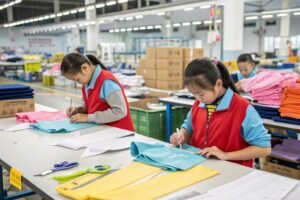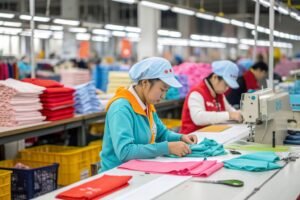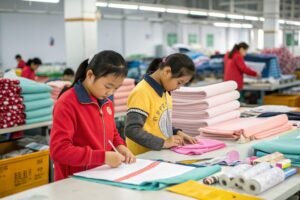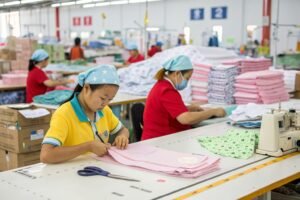

Interlining plays a crucial role in the overall performance and durability of garments, especially in children’s wear. While often overlooked, the quality of interlining is integral in determining how well a garment holds its shape, resists wear and tear, and ensures comfort for the child. High-quality interlining ensures that garments not only look good but also perform excellently in terms of structure, durability, and comfort. This article will explore the significance of interlining quality in children’s apparel and why manufacturers must prioritize it.
What Is Interlining and Why Does It Matter?
Interlining is a layer of material inserted between the fabric and the lining of a garment. It serves to enhance the garment’s structure, add insulation, and increase durability. In children’s clothing, the quality of interlining is especially important. It helps maintain the garment’s shape, prevents excessive wrinkling, and ensures comfort during wear. Without proper interlining, garments may lose their structure, become uncomfortable, and fail to perform well over time.
The interlining material used in children’s clothing can affect various aspects of the garment, including breathability, softness, and durability. High-quality interlining ensures that the fabric remains comfortable, breathable, and supportive while retaining the garment’s original shape even after frequent washing. In contrast, low-quality interlining may compromise the garment’s overall comfort and lifespan.

What Types of Interlining Are There, and How Do They Differ?
There are several types of interlining, each serving different functions. Fusible interlining, for example, is designed to be bonded to the fabric using heat and pressure. Non-fusible interlining requires sewing or stitching to attach it to the fabric. There are also quilted or padded interlining materials, often used for insulation in outerwear. The choice of interlining depends on the garment’s intended purpose. For children’s wear, lightweight and breathable materials are often preferred, as children’s clothing needs to be flexible and comfortable.
The choice of interlining directly impacts the garment’s comfort, durability, and performance. For example, heavier interlining is typically used in outerwear to provide insulation, while lighter interlining is better suited for summer dresses and shirts where breathability is more important.
How Does Interlining Affect Durability?
Durability is a critical factor in children’s clothing. Kids engage in physical activities that can wear out their clothes quickly. The quality of interlining directly impacts a garment’s longevity. High-quality interlining reinforces the fabric, preventing it from stretching out, losing its shape, or becoming misshapen after repeated washing. It helps garments retain their structure, ensuring they withstand daily wear without becoming damaged or deformed.
Children’s clothing is subjected to frequent washing, wear, and rough handling, making durability one of the most important factors for both manufacturers and consumers. High-quality interlining ensures that garments last longer, providing both value for money and satisfaction for customers.

What Happens if Interlining Quality Is Poor?
If the interlining is of poor quality, the garment is more likely to lose its structure over time. Low-quality interlining may cause the fabric to wrinkle excessively, sag, or lose its shape after washing. Garments without proper interlining can become more prone to wear, tear, and deformations, significantly shortening their lifespan. For children’s clothing, this can be especially problematic, as the clothing needs to withstand rough use, constant movement, and frequent washing.
This can lead to dissatisfied customers, returns, and ultimately damage to the brand’s reputation. In contrast, high-quality interlining provides the durability necessary for children’s clothing to last through the demands of daily activities.
How Does Interlining Impact Comfort?
Comfort is paramount in children’s wear. Kids need to feel comfortable in their clothes to engage in activities like playing, running, and jumping. Interlining directly influences how comfortable a garment is by making the fabric softer, more breathable, and more flexible. The right interlining ensures that the garment fits well and feels gentle against the skin, preventing irritation and discomfort. Additionally, interlining helps regulate the garment’s temperature, making it suitable for different weather conditions.
Without proper interlining, children’s clothing can feel stiff or uncomfortable, making it harder for kids to move freely. The right interlining ensures the fabric remains flexible and comfortable, providing ease of movement while maintaining the garment’s structure.

How Does Interlining Help with Temperature Regulation?
Interlining also plays a crucial role in temperature regulation. Depending on the type of material used, interlining can provide additional warmth or enhance breathability. For winter coats, thicker interlining provides insulation to keep the child warm, while for lighter garments, a breathable, thinner interlining helps keep the child cool in warmer weather. The quality of the interlining material affects how well it insulates or breathes, which directly impacts the comfort level of the child.
High-quality interlining helps create a balanced garment that offers optimal temperature regulation. For children, who are more sensitive to temperature changes, having garments with the right interlining can make a big difference in their comfort and overall well-being.
How Does Interlining Affect Garment Structure?
In children’s wear, structure is vital, especially for garments like coats, jackets, and dresses. Interlining plays a key role in maintaining the garment’s shape and ensuring it stays looking crisp and polished. Without interlining, many garments, particularly outerwear, can become limp or lose their shape, making them appear sloppy or unkempt. The right interlining material adds structure to the garment, ensuring that it retains its shape over time, even after frequent washing or extended wear.
In addition to enhancing the appearance, interlining supports the garment’s fit. For tailored jackets and coats, interlining ensures the garment maintains its silhouette, creating a polished and professional look. For children’s clothing, this means that garments can retain their intended fit and look fresh after prolonged use.

How Does Interlining Enhance Fit?
Interlining is essential in ensuring that garments fit well. By providing additional support, interlining helps maintain the garment’s intended fit, ensuring it conforms to the child’s body in the right way. Whether it’s a coat, a dress, or a pair of pants, interlining ensures that the garment stays in shape, providing a good fit without being too tight or too loose.
A well-fitted garment enhances comfort, allows for freedom of movement, and improves the overall appearance of the clothing. High-quality interlining plays a key role in making sure that children’s clothing fits perfectly and maintains its shape, even after repeated wear and washing.
How to Choose the Right Interlining for Children’s Garments?
When selecting interlining for children’s garments, it’s essential to consider several factors, such as the type of garment, the fabric, and the intended use. For example, winter coats require thicker, insulated interlining, while summer dresses need lightweight, breathable interlining to ensure comfort. The interlining material must complement the outer fabric to ensure that the garment functions as intended while maintaining comfort and durability.

What Are the Key Considerations When Choosing Interlining?
When choosing interlining, manufacturers must consider several key factors. These include the garment’s intended purpose, the material used, and the level of comfort required. For heavier outerwear, choose interlining that provides both structure and insulation. For lighter garments, opt for breathable and soft interlining materials to ensure comfort and flexibility. Quality control is also important when selecting interlining to ensure that it will last and maintain its properties throughout the life of the garment.
Conclusion
In conclusion, the quality of interlining is an essential factor in producing high-quality children’s clothing. It affects the durability, comfort, and structure of garments, ensuring that they perform well over time and provide maximum comfort for children. Choosing the right interlining is key to creating garments that not only look good but also meet the demands of active children. By prioritizing interlining quality, manufacturers can deliver long-lasting, functional, and stylish clothing that parents and children will love.
If you are interested in creating high-quality children’s clothing, contact us at Shanghai Fumao. Our experienced team, led by Business Director Elaine, is ready to help you with your custom garment orders. Reach out to Elaine at elaine@fumaoclothing.com to discuss how we can collaborate on your next clothing project.