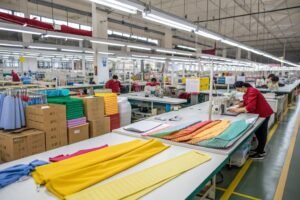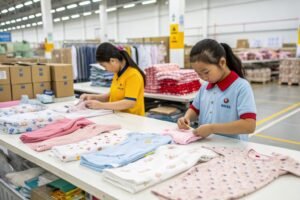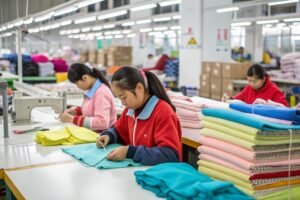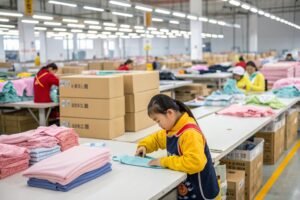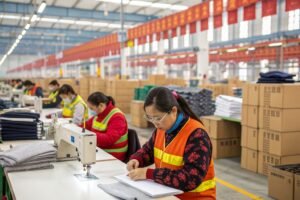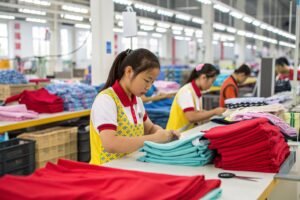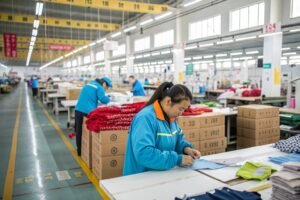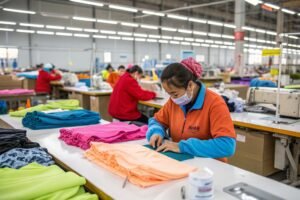
For companies sourcing children’s activewear, the challenge is balancing cost efficiency, consistent quality, and reliable delivery schedules. China continues to stand out as a leading hub in this sector. The nation’s advanced textile base, extensive supply chain network, and long-standing experience in apparel exports give buyers an edge in both premium and mid-tier markets.
Opting for Chinese production provides access to affordable pricing structures, innovative fabric technologies, skilled manufacturers, and well-organized logistics. This combination helps brands lower risk while accelerating product launches.
In what ways does China combine competitive pricing with strong quality control?
China’s mature apparel ecosystem makes it possible to offer attractive prices without reducing quality.

What factors reduce costs?
- Scale advantages: Large plants negotiate raw material prices at more favorable rates.
- Regional clusters: Areas such as Zhejiang, Jiangsu, and Guangdong keep weaving, dyeing, and stitching close together, which lowers transport costs.
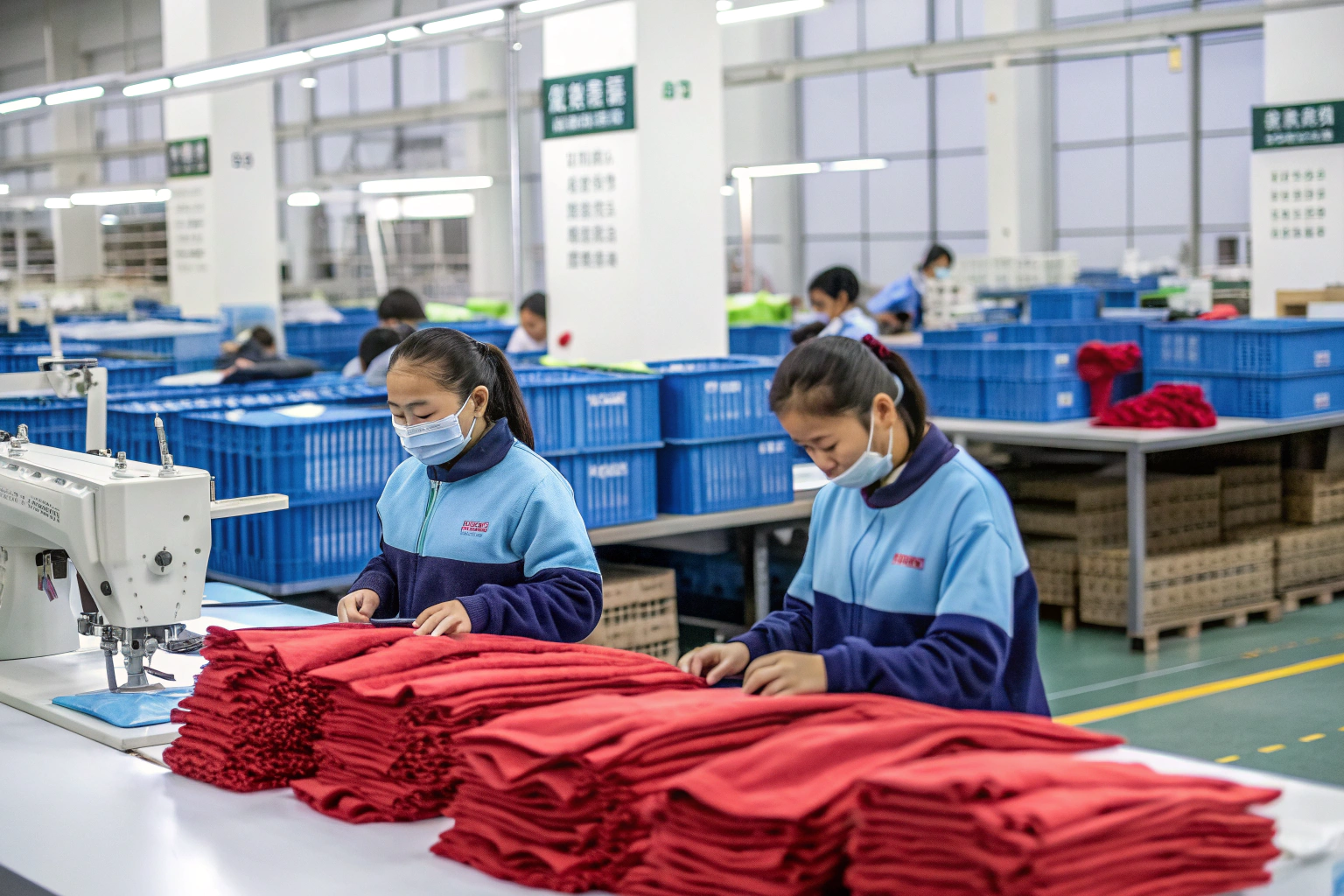
- Use of automation: Modern equipment reduces waste while boosting output speed.
How is quality assured?
Suppliers working with global brands typically follow standards like OEKO-TEX® and BSCI. Independent audits confirm not only durability but also compliance with regulations for children’s products.
What fabric innovations strengthen China’s role in activewear?
The country has become a global leader in textile technology for sportswear.

Which fabrics are commonly applied?
- Polyester blends with moisture control: Keep children comfortable during play.
- Elastane mixes: Provide stretch and flexibility for sports activities.
- Sustainable fibers: Organic cotton, bamboo, and recycled polyester serve eco-minded parents.
Why are these innovations critical for kids’ clothing?
Parents expect safe, comfortable, and functional textiles. Reports from Textile World highlight that Chinese suppliers increasingly use eco-certified fibers and safe dyes, ensuring fabrics remain suitable for sensitive skin.
How reliable are Chinese suppliers in global compliance?
Long experience with international trade has made Chinese factories adept at meeting complex regulations.

What requirements are commonly addressed?
- Flammability standards (CFR 1610 and 1615/1616, U.S.): Particularly important for children’s sportswear.
- Restrictions on hazardous substances: Avoidance of lead, formaldehyde, and phthalates.
- Strength and endurance testing: Ensuring clothing survives frequent laundering and stretching.
How do suppliers manage this?
Manufacturers frequently rely on third-party labs like SGS and Intertek. Many facilities also maintain ISO 9001 certification, which reflects a commitment to structured quality systems.
How does China’s logistics framework support buyers worldwide?
Efficient logistics are central to keeping shipments punctual and cost-effective.

What benefits does the network provide?
- Strategic ports: Major gateways such as Shanghai, Shenzhen, and Ningbo streamline exports.
- Delivery options: Services like DDP (Delivered Duty Paid) simplify customs for importers.
- Reduced lead times: Strong courier and sea freight systems minimize delays.
Why is this vital in children’s wear?
Sportswear for kids often links to seasonal demand—school openings, athletic programs, or holiday promotions. Missed deadlines can mean lost sales, and China’s logistics capacity helps brands avoid these pitfalls.
Conclusion
China remains a top destination for sourcing children’s activewear. Competitive costs, innovative textiles, proven regulatory compliance, and robust logistics make it attractive for international buyers.
At Shanghai Fumao, we produce activewear for children that merges safety, sustainability, and design innovation. With expertise in both production and compliance, we ensure garments are reliable and delivered promptly. For inquiries or cooperation, contact our Business Director Elaine at elaine@fumaoclothing.com.