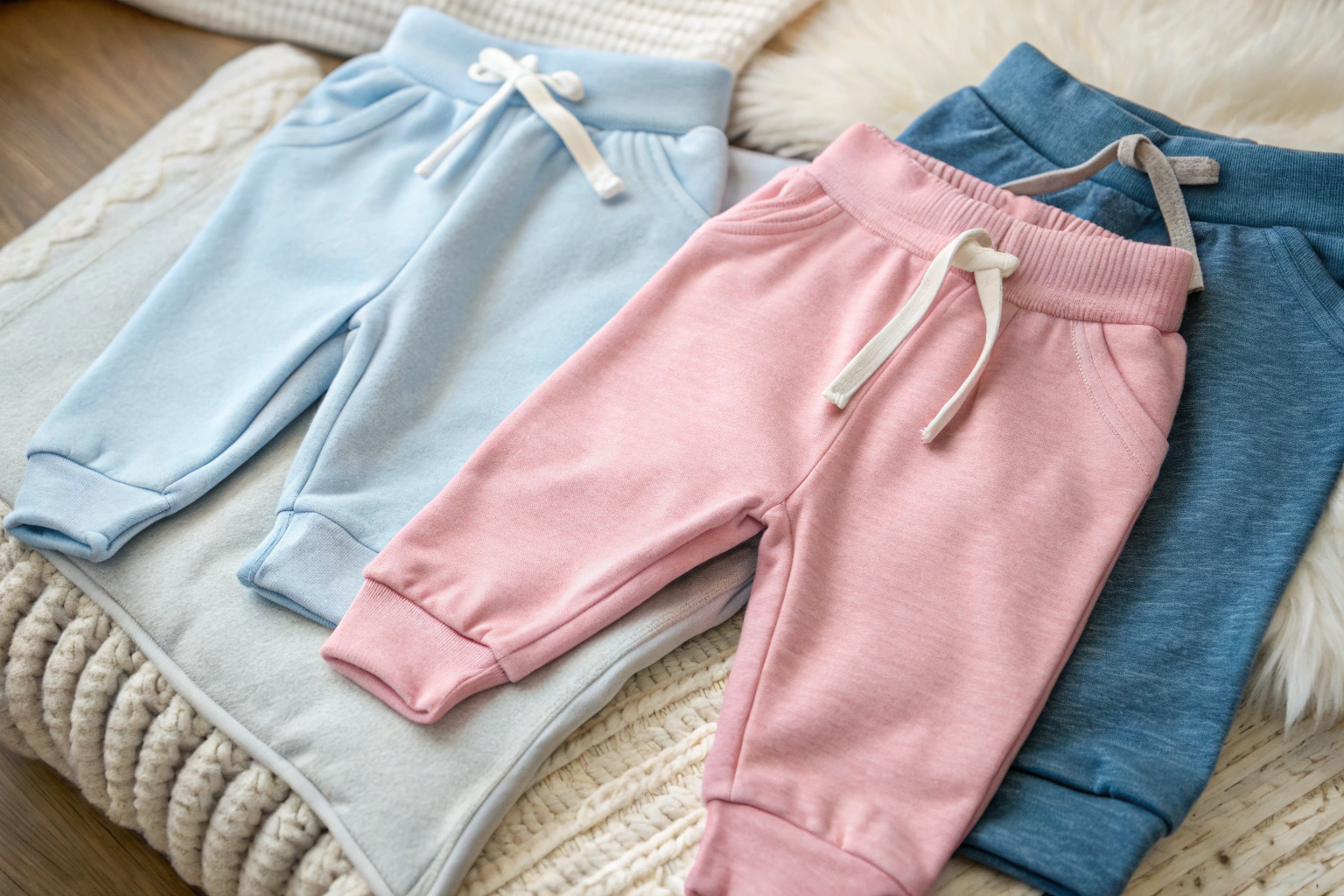
When parents select clothing for their infants, their eyes usually fall first on fabric type, color combinations, and certifications. Yet hidden within the garment, there is one tiny component that can determine whether an outfit becomes a favorite or a frustration—the elastic. Found in waistbands, cuffs, and necklines, this feature influences how securely clothes fit, how comfortable they feel on delicate skin, and how long the garment remains usable.
High-grade elastic is vital in baby wear because it ensures soft comfort, guarantees safety, improves durability, and simplifies dressing. Poor elastic, by contrast, often leaves marks, stretches out after a few washes, or even poses safety risks. For parents, this detail often becomes the difference between a trusted brand and a disappointing purchase.
How does elastic influence comfort in baby clothing?
Comfort sits at the top of every parent’s list when buying baby garments, and elastic plays a major role in achieving it.

Why do infants require soft elastic?
Baby skin is fragile and prone to irritation. A stiff waistband or ankle band can leave visible red lines within minutes. Many parents test garments in stores by stretching the waistbands; if the elastic feels harsh or resistant, they avoid purchasing. According to a 2023 BabyCenter survey, over 55% of caregivers said they actively avoid brands whose pants or leggings leave pressure marks on their child’s skin.
How can elastic improve wearability?
Quality elastic materials recover their shape even after repeated stretching. This allows leggings or pajamas to stay in place while a child crawls, rolls, or runs. At night, a gentle but firm waistband prevents clothing from shifting, which helps babies remain warm and comfortable.
How does elastic impact safety in baby wear?
Safety checks in infant garments often begin with elastic.

What are the risks of poor-quality elastic?
- Excessive tightness: May restrict circulation at wrists, ankles, or the waist.
- Weak recovery: Clothing slips off too easily, exposing babies to cold or creating tripping hazards for toddlers.
- Chemical concerns: Cheap elastics sometimes contain unsafe dyes or latex proteins that can trigger allergic reactions.
Which safety standards apply?
- CPSIA (United States): Requires textiles, including elastics, to be tested for chemical safety.
- OEKO-TEX® Standard 100: Guarantees elastic components are free of more than 100 harmful substances.
- EN 14682 (European Union): Prohibits hazardous cords and poorly designed elastic parts in children’s garments.
How does elastic affect garment durability?
Elastic often determines how long a garment remains wearable.

Why does elastic fail so quickly?
Because it is constantly under tension, elastic tends to wear out before the fabric itself. Poorly made versions can lose 30–40% of their stretch recovery after only five wash cycles, leading to sagging waistbands and unsatisfied parents.
How does premium elastic extend lifespan?
Materials such as spandex or covered rubber threads can withstand 50 or more washings with minimal loss of performance. This allows parents to reuse clothes for siblings or pass them on, while brands benefit from fewer complaints and improved reputation.
How does elastic affect garment design and usability?
Elastic is not just functional; it shapes the design and daily usability of baby wear.

Why do parents prefer wide waistbands?
A broad, flat elastic spreads pressure evenly and avoids rolling or twisting, which makes it gentler on infant skin. This design is common in leggings, pants, and diaper covers, and parents often rate it higher in product reviews.
How does elastic simplify daily care?
Well-designed elastics make dressing faster, which matters during frequent diaper changes. A romper with soft neck elastic, for instance, allows parents to slip it on quickly at night without fumbling with snaps, reducing stress for both caregiver and child.
Conclusion
Although it appears to be a minor detail, elastic quality directly shapes the comfort, safety, longevity, and practicality of baby garments. High-grade elastic protects skin, extends the garment’s usable life, and makes daily care more efficient. Substandard elastic, on the other hand, leads to discomfort, higher return rates, and possible safety hazards.
At Shanghai Fumao, we integrate certified premium elastics into all our baby wear production. Each elastic is tested for recovery, durability, and chemical safety to comply with CPSIA, OEKO-TEX®, and EU standards. If you are a distributor or brand owner seeking a manufacturer that pays close attention to every detail, please reach out to our Business Director Elaine at elaine@fumaoclothing.com to explore collaboration opportunities.