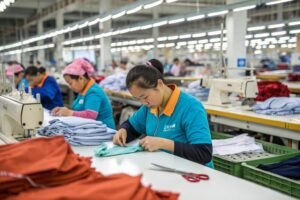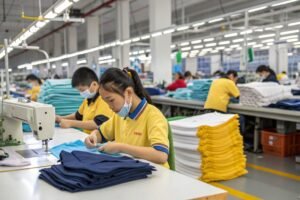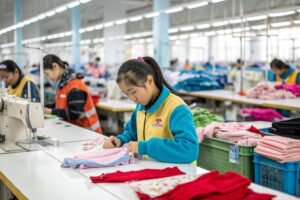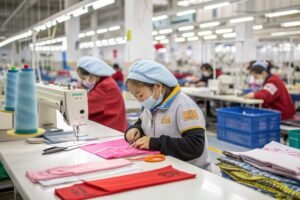
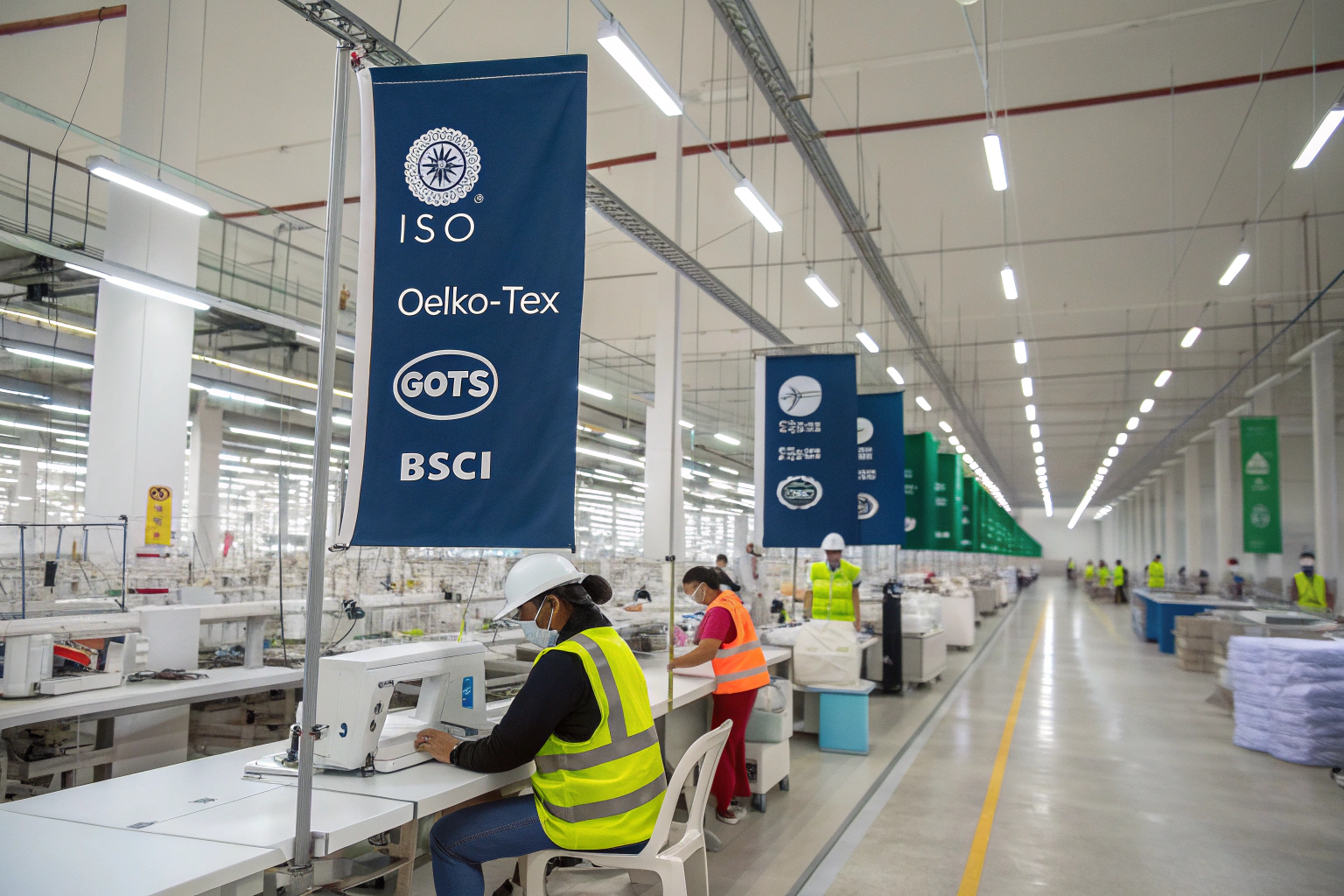
When global buyers choose a garment factory, price and speed matter, but certifications are what prove long-term reliability and compliance. A supplier may promise high quality and safe production, but without certifications, there is no independent verification. For children’s wear, this becomes even more critical because parents want assurance that garments are free from harmful substances, produced ethically, and handled under strict quality systems.
The numbers highlight the importance: according to Statista, over 60% of U.S. apparel buyers in 2024 said they consider third-party certifications to be a top-three factor when selecting a supplier. In the EU, certifications are often mandatory—retailers cannot legally sell baby clothing without evidence of chemical safety compliance.
The best clothing factory certifications cover four key areas: product quality, fabric safety, worker welfare, and sustainability. Factories holding these standards demonstrate that they are ready for international partnerships and capable of meeting both regulatory and customer expectations.
Why are certifications important for clothing factories?
Certifications are like passports for factories—they open doors to global markets. Without them, even the most capable factory risks losing contracts to competitors with verified compliance.
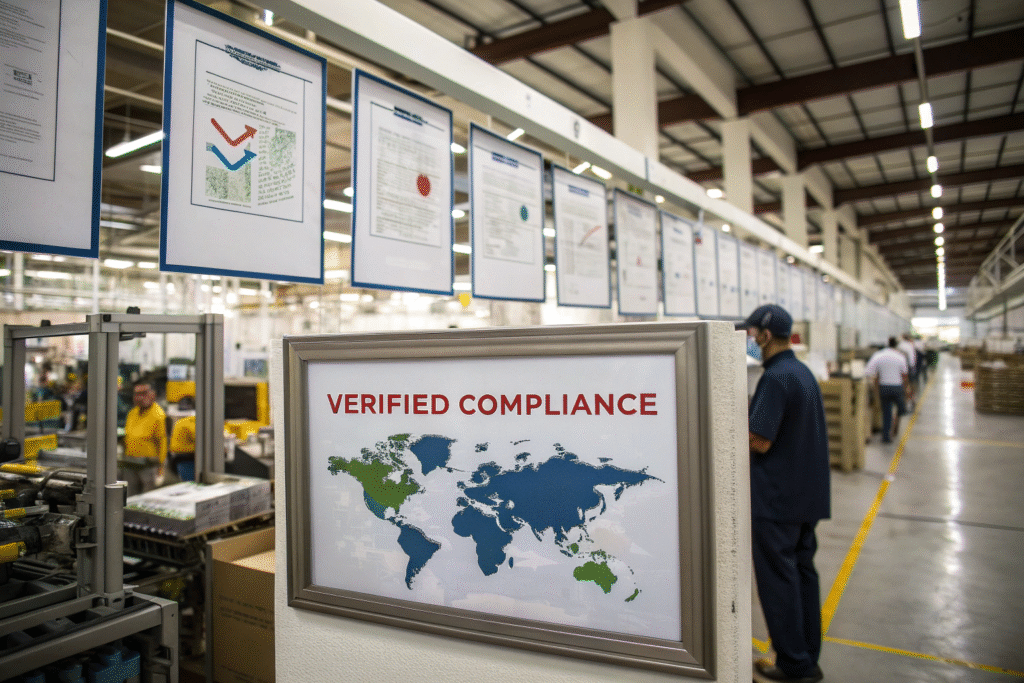
How do certifications protect buyers?
- Reduce legal risk: In 2022, a U.S. retailer had to recall thousands of children’s pajamas due to excessive lead levels. Factories with OEKO-TEX® or GOTS certifications would have flagged this issue during testing.
- Ensure consistency: ISO-certified factories follow structured quality protocols, which minimize variations across 100,000 pieces. For example, every batch is inspected with standardized checklists.
- Build trust: Retailers like Walmart and Carrefour often shortlist only factories with BSCI or SEDEX audits. Certifications become an instant trust signal during supplier evaluation.
Why do certifications matter for children’s wear?
Children’s products face stricter scrutiny. Fabrics must be free of over 100 harmful chemicals (OEKO-TEX®), snaps and buttons must meet choking hazard tests, and flammability standards must be met before garments reach stores. A factory without certifications risks rejection at customs, delays in market entry, or worse—expensive recalls.
What are the most recognized quality and safety certifications?
The most recognized certifications confirm that garments are produced under standardized systems, free of harmful chemicals, and safe for end users.
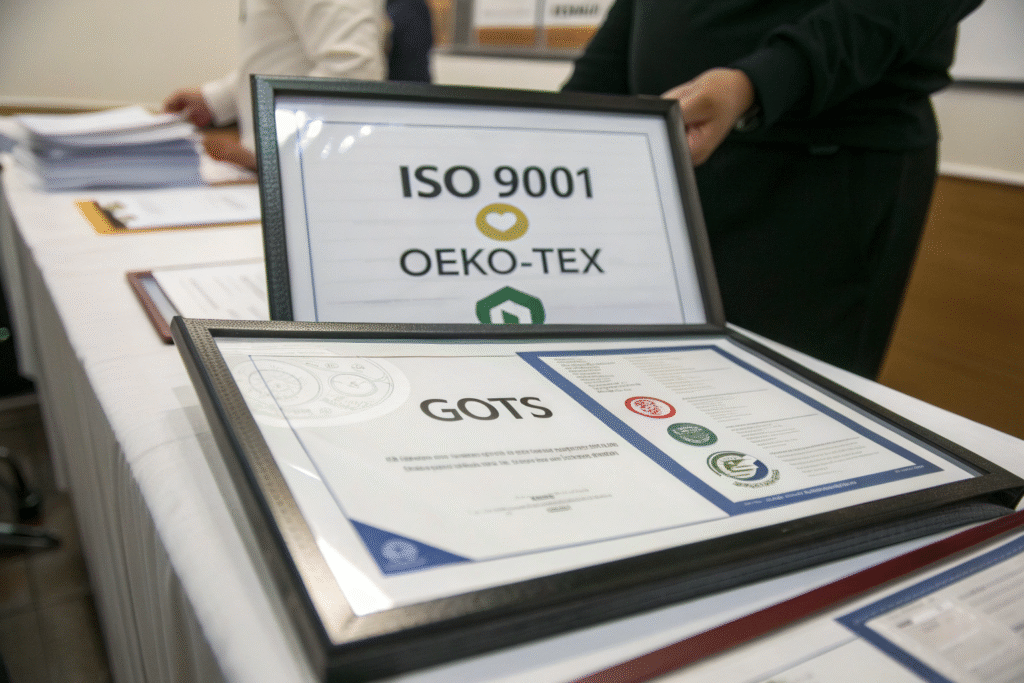
Which quality management systems matter?
- ISO 9001 (Quality Management): Globally recognized, this ensures the factory has structured inspection systems. For example, an ISO 9001 factory might use AQL (Acceptable Quality Level) sampling to reject defective batches before shipping.
- ISO 14001 (Environmental Management): Demonstrates control over waste, chemicals, and energy use. In 2023, factories with ISO 14001 certification reduced water discharge by 15–20% compared to uncertified ones.
- ISO 45001 (Health & Safety): Ensures safe working conditions, covering fire exits, medical access, and protective equipment.
Which fabric and product safety standards are crucial?
- OEKO-TEX® Standard 100: Certifies textiles are free from harmful chemicals like formaldehyde, azo dyes, and phthalates. Essential for babywear.
- GOTS (Global Organic Textile Standard): Covers the entire organic cotton supply chain, from farms to dyeing mills. In 2024, over 12,000 facilities worldwide carried GOTS certification.
- REACH (EU Regulation): Restricts hazardous substances in textiles sold in Europe, ensuring safety from toxins like cadmium and lead.
Which social and ethical certifications matter most?
Ethical certifications ensure factories treat workers fairly, avoid forced or child labor, and maintain safe workplaces. This is increasingly demanded by global buyers.

Which certifications cover social compliance?
- BSCI (Business Social Compliance Initiative): Evaluates working hours, wage practices, and factory conditions. Widely requested by European retailers.
- SEDEX / SMETA Audit: Covers labor rights, health, and environmental practices. Accepted by brands like Marks & Spencer.
- SA8000 (Social Accountability): Considered one of the strictest ethical standards, focusing on fair wages, no child labor, and safe workplaces.
Why are these critical for global buyers?
In 2022, media reports linked several apparel brands to suppliers accused of forced labor. Those brands faced boycotts and legal probes. Buyers increasingly demand BSCI or SA8000 audits to avoid reputational and legal risks. For children’s clothing, a scandal tied to unethical labor practices can devastate consumer trust instantly.
How do certifications support sustainability goals?
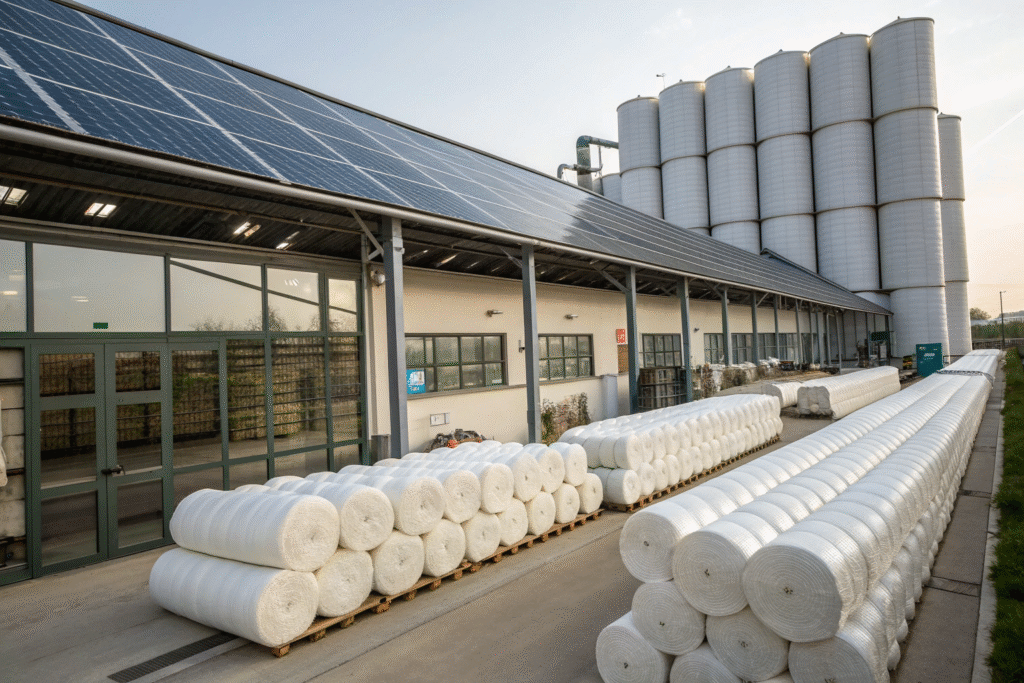
Sustainability is now a retail requirement. Certifications help brands prove their environmental claims with measurable evidence.
Which certifications highlight sustainability?
- Bluesign®: Ensures safe chemical management, reducing risks in dyeing and finishing. Factories certified under Bluesign® eliminate hazardous chemicals banned in Europe and the U.S.
- GRS (Global Recycled Standard): Tracks recycled fibers, like polyester made from PET bottles. In 2023, Adidas reported using 1.2 billion recycled bottles in GRS-certified fabrics.
- Fair Trade Certified™: Ensures wages and community benefits. Fair Trade programs have funded over $800 million globally for workers since inception.
How does sustainability affect sourcing decisions?
A 2024 Deloitte survey showed that 70% of Gen Z parents in the U.S. prefer eco-certified babywear, even at prices 15–20% higher. Retailers know this, which is why major chains demand suppliers with Bluesign® or GRS certification to protect their green marketing claims.
Conclusion
The best clothing factory certifications cover quality (ISO 9001), fabric safety (OEKO-TEX®, GOTS), social responsibility (BSCI, SA8000), and sustainability (Bluesign®, GRS). For children’s wear buyers, these certifications are not just labels—they are guarantees that products are safe, ethically produced, and environmentally sound.
At Shanghai Fumao, we partner with certified factories that carry ISO, OEKO-TEX®, and BSCI credentials, ensuring our garments meet strict international standards. Whether you are sourcing baby pajamas, toddler socks, or seasonal outerwear, our certifications provide the peace of mind needed for global retail. To learn more or to begin sourcing with confidence, please contact our Business Director Elaine at elaine@fumaoclothing.com.