The global demand for children’s costumes—from Halloween outfits to school performance wear—has surged in recent years. In the U.S. alone, spending on Halloween costumes reached $3.6 billion in 2023, with nearly half of that attributed to children’s costumes. Parents want safe, fun, and creative outfits, while retailers and distributors need suppliers who can handle high volumes and deliver on strict seasonal deadlines.
China has become the top choice for kids’ costume manufacturing because it combines massive scale, cost efficiency, creative expertise, and international compliance with children’s apparel standards. Whether producing basic superhero capes or premium licensed princess gowns, Chinese factories have the infrastructure and experience to meet both budget-focused buyers and high-end brands.
For distributors and apparel buyers, the real question is not whether China can make costumes—it is why China remains the most reliable, scalable, and innovative sourcing destination compared to other countries.
What makes China a global leader in kids’ costume production?
China’s leadership in costume manufacturing is rooted in its world-class textile ecosystem and decades of export experience.
Key strengths include:
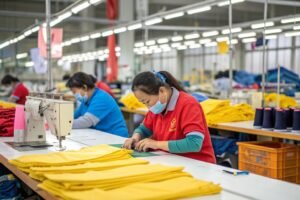
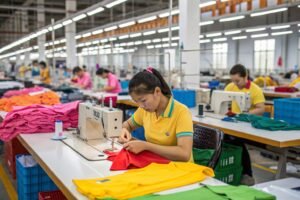
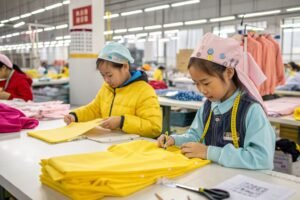
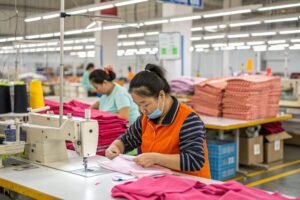
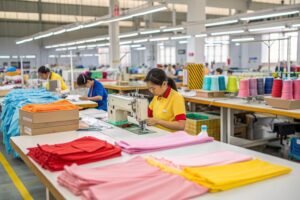
- Massive production capacity: With over 20 million textile and garment workers across thousands of factories, China has the workforce to handle everything from small batch runs to orders exceeding 100,000 costumes per month.
- Integrated supply chain: Fabrics, trims, sequins, glitter, and accessories are produced domestically, reducing lead times and avoiding import bottlenecks.
- Advanced technology: Factories increasingly use automated fabric cutters, 3D pattern software, and digital embroidery machines to achieve complex costume designs.
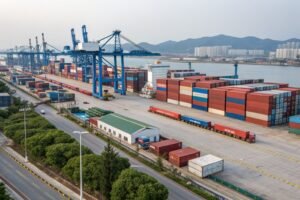
- Export logistics expertise: China has decades of experience shipping seasonal apparel worldwide, with strong routes to the U.S., Europe, and Asia.

How does scale benefit international buyers?
When retailers face seasonal demand spikes, Chinese factories can scale quickly. A factory in Guangdong, for instance, increased its output from 40,000 to 70,000 costumes per month during the Halloween season by adding temporary sewing lines and extending shifts. This type of flexibility is critical for buyers who need urgent replenishments.
How does supply chain integration reduce risk?
With local access to fabrics and trims, Chinese manufacturers can adapt designs quickly. If a European buyer suddenly requests cotton lining instead of polyester for better skin safety, suppliers can source the fabric domestically within days. In contrast, factories in Vietnam or Bangladesh may face delays waiting for imported fabrics.
How does China balance cost and quality in kids’ costumes?
China maintains a unique balance of affordability and quality that other regions struggle to match.
Cost advantages come from:
- Labor efficiency: Although labor costs in China have risen compared to a decade ago, productivity levels remain higher than in most developing countries.
- Bulk raw material sourcing: Massive domestic demand allows fabric mills to offer 10–15% lower costs than suppliers in other regions.
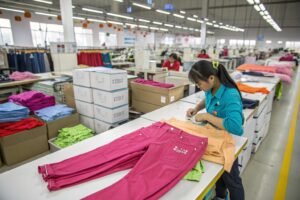
- Specialized seasonal production lines: Dedicated teams for Halloween or festival costumes can assemble products faster, reducing overhead.

How affordable are Chinese-made kids’ costumes?
Simple polyester capes or masks can be produced for as little as $2–3 per piece, while elaborate multi-layer princess gowns with embroidery, sequins, and accessories may cost $8–12 per piece. According to Statista, Chinese suppliers are on average 20–30% cheaper than Eastern European counterparts for the same category of costumes.
How do factories ensure consistent quality?
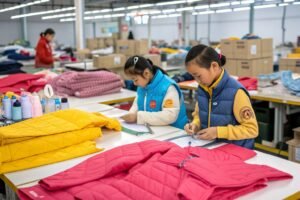
Many Chinese exporters adhere to ISO 9001 quality management systems and work with third-party inspection agencies like SGS or Intertek. Factories often send pre-shipment samples and detailed inspection reports to buyers. For instance, a Zhejiang-based supplier provided full flammability and stitching strength test data before shipping 60,000 costumes to a U.S. retailer in 2022, ensuring no returns or recalls.
How does China ensure safety compliance for children’s costumes?
Children’s costumes face stricter safety regulations than adult clothing due to the higher risk for young wearers. The CPSC (Consumer Product Safety Commission) in the U.S. requires flammability testing, while the EU’s EN71 directive restricts toxic substances in children’s wear.
Chinese factories ensure compliance by:
- Running in-house flammability tests according to ASTM D1230 and EN 1103.
- Partnering with third-party labs to check for formaldehyde, azo dyes, lead, and phthalates.
- Conducting mechanical safety inspections to ensure small parts like buttons and snaps do not pose choking hazards.

What certifications matter for buyers?
Buyers often look for OEKO-TEX® Standard 100, CPSIA compliance, and BSCI audit results. According to SGS, China is currently the largest exporter of OEKO-TEX® certified textiles, meaning most costume fabrics can be sourced locally with proven safety credentials.
How does compliance reduce risk for importers?
Compliance avoids costly recalls and reputational damage. In 2022, a U.S. retailer recalled thousands of imported costumes for failing flammability standards. By choosing a Chinese supplier with certified safety systems, buyers minimize the risk of such incidents and protect both their margins and their brand reputation.
Why is China ideal for seasonal and fast-fashion costumes?
Costumes are seasonal products with unpredictable demand. Buyers need suppliers who can produce quickly and adapt to shifting trends.
China’s seasonal strengths include:
- Rapid prototyping: Factories can create a new sample in 7–10 days, allowing brands to catch viral trends, such as characters from a newly released film.
- Short lead times: Bulk orders of 50,000+ pieces can be completed in 30–45 days, ideal for retailers preparing for Halloween or Christmas.
- Established logistics networks: China’s ports and courier systems ensure smooth exports to North America and Europe during peak seasons.

How does China handle demand spikes?
Factories often maintain flexible labor pools. During Halloween 2023, one Zhejiang-based factory doubled its sewing workforce from 500 to 1,000 employees within two weeks to fulfill an urgent U.S. order. This level of adaptability ensures buyers never miss critical selling windows.
How reliable is Chinese logistics for seasonal exports?
With direct shipping routes to ports like Los Angeles, New York, Hamburg, and Rotterdam, Chinese-made costumes can reach Western markets in 20–30 days by sea or 5–7 days by air. Retailers can restock quickly even in mid-season, ensuring shelves remain full during peak demand.
Conclusion
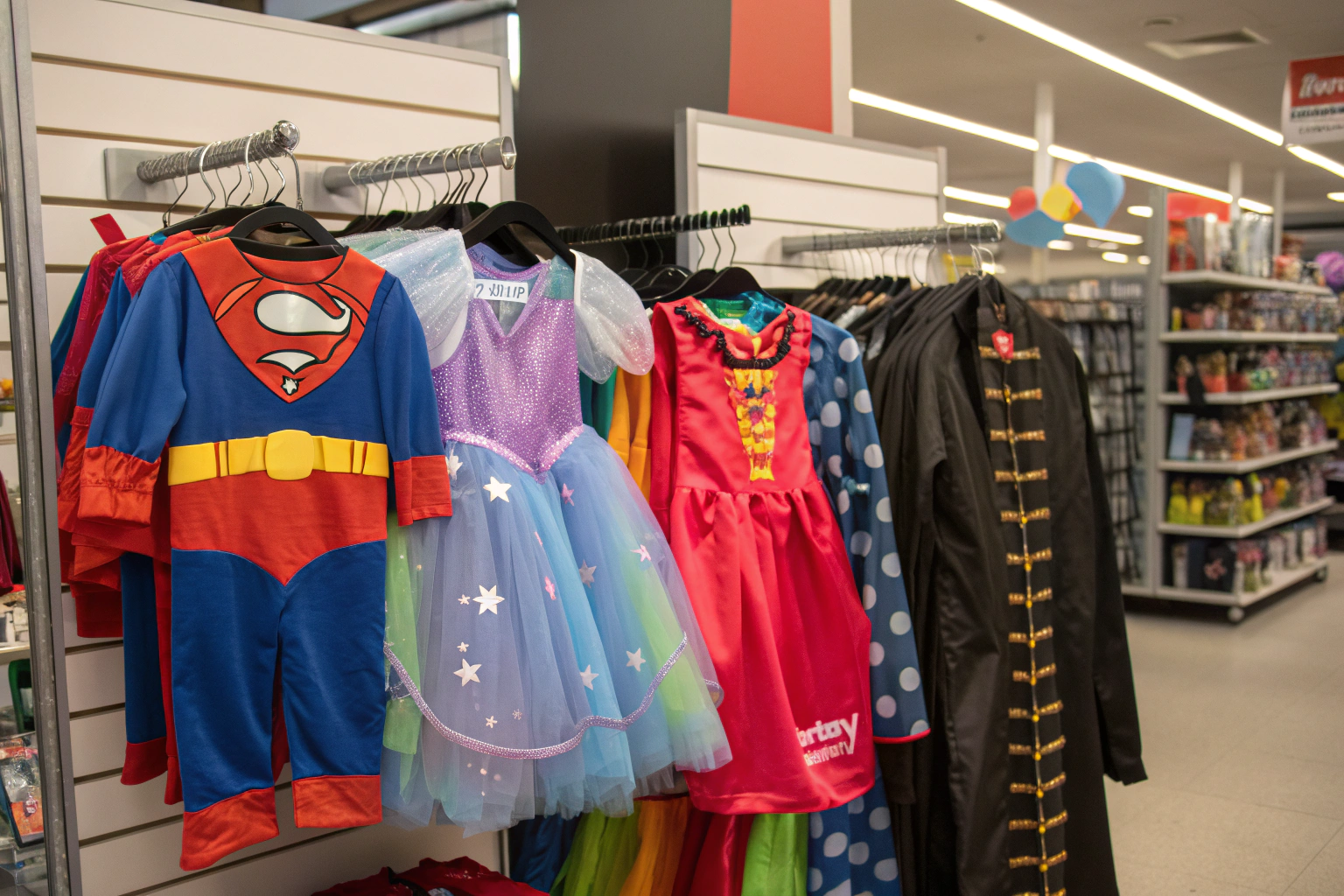
China remains the most strategic destination for kids’ costume manufacturing because it combines large-scale capacity, competitive costs, advanced compliance systems, and fast seasonal delivery. From budget-friendly superhero outfits to intricate, multi-layered princess gowns, Chinese factories deliver products that meet global safety standards and buyer expectations.
At Shanghai Fumao, we specialize in manufacturing children’s apparel and costumes that comply with OEKO-TEX® and CPSIA requirements. With five production lines and decades of experience in exporting to the U.S. and Europe, we provide buyers with reliable, customizable, and on-time solutions. If you are a brand owner or distributor looking for a trusted Chinese partner for kids’ costumes, please contact our Business Director Elaine at elaine@fumaoclothing.com to discuss your next seasonal order.