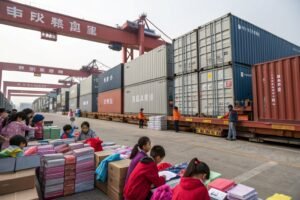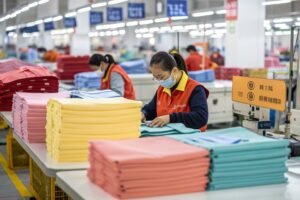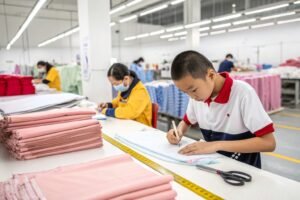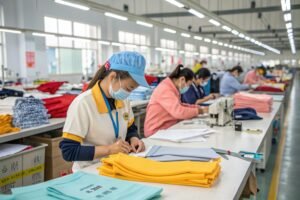
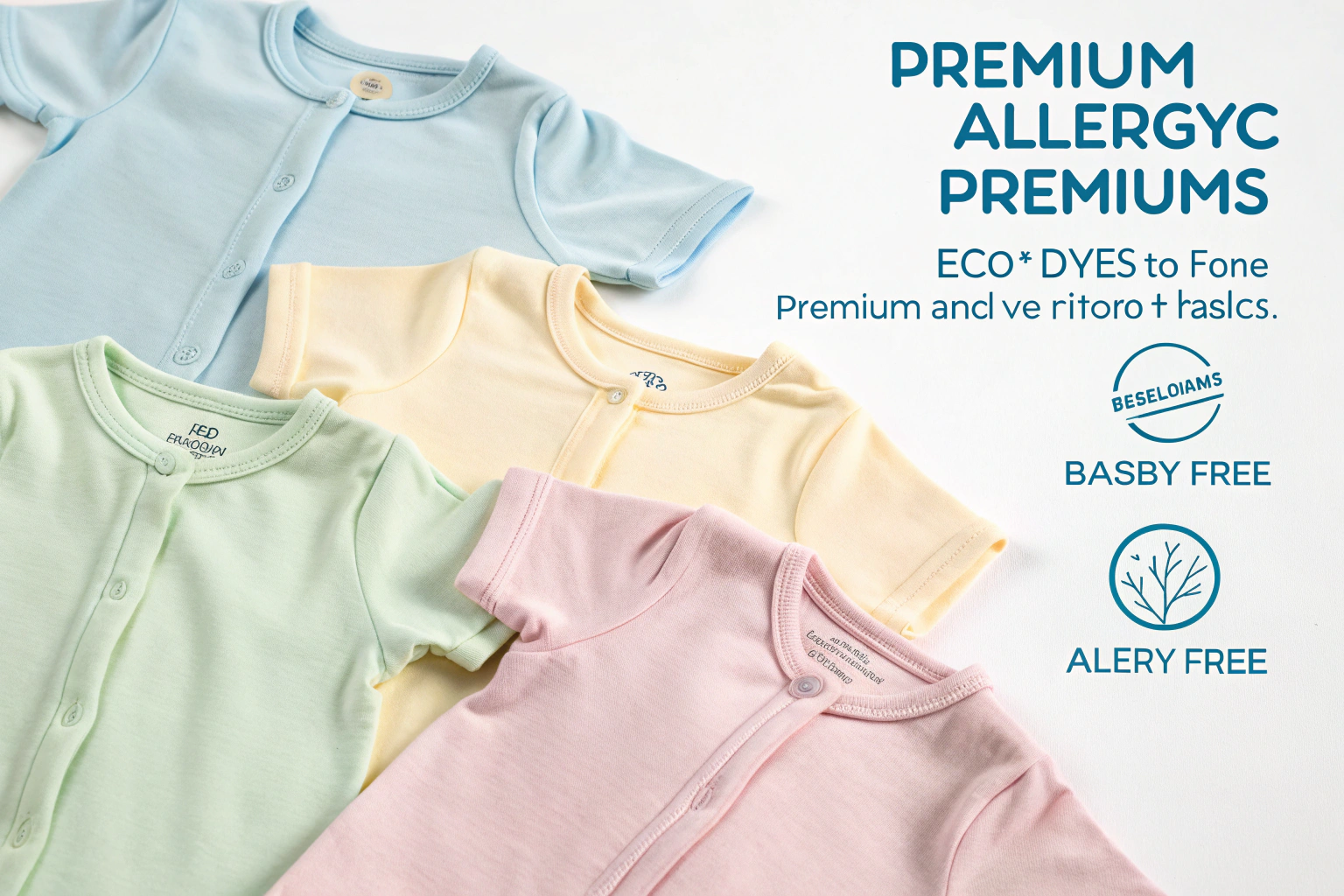
Parents of newborns and toddlers often pay close attention to fabric softness and brand reputation, yet one hidden concern remains under-discussed: the safety of textile dyes. While clothing may look beautiful in bright pinks, deep blues, or cheerful yellows, many conventional dyes contain heavy metals, formaldehyde, or azo compounds that can irritate a baby’s delicate skin. A report published in the Journal of Pediatric Dermatology found that nearly 20% of infant eczema cases are linked to textile-related allergens, making fabric dye a more serious factor than many parents realize. For baby clothing brands, this creates a growing demand for garments colored with allergy-free dyes, especially in markets like the U.S. and Europe where consumer awareness is high.
Allergy-free dyes are specially formulated to exclude harmful substances, ensuring that garments remain vibrant, safe, and gentle on a baby’s skin even after repeated washing. These dyes comply with strict international safety standards such as OEKO-TEX® Standard 100 and GOTS (Global Organic Textile Standard), making them essential for exporters targeting health-conscious parents.
For apparel buyers and distributors, sourcing baby clothing with allergy-free dyes is not only about meeting compliance requirements but also about creating trust with parents who want the best for their children. Let’s explore how these dyes work, what certifications matter, and how brands can source safely and effectively.
What are allergy-free dyes in baby clothing?
Allergy-free dyes are textile colorants designed without hazardous chemicals such as formaldehyde, azo dyes, or heavy metals like lead, cadmium, and chromium VI. These harmful substances, often present in conventional dyes, are known to cause allergic reactions, rashes, or even respiratory sensitivities in young children. Allergy-free dyes are instead formulated with safer alternatives such as azo-free reactive dyes or plant-based pigments. For example, turmeric-derived pigments or indigo extracted from plants are increasingly used by eco-conscious manufacturers.
Unlike conventional dyes, allergy-free dyes undergo extensive laboratory testing to ensure they do not cause irritation or skin reactions. This makes them particularly suitable for infants, whose skin is up to 30% thinner and more absorbent than adult skin, making them highly vulnerable to chemical residues.

What chemicals are avoided in allergy-free dyes?
Common restricted chemicals include azo compounds, formaldehyde resins, phthalates, PVC-based pigments, and heavy metal mordants. According to OEKO-TEX®, over 1,000 restricted substances are screened during certification, from pesticide residues to carcinogenic dyes. For example, azo dyes can release aromatic amines that are linked to cancer, while formaldehyde resins can cause contact dermatitis in children.
Do allergy-free dyes affect color quality?
No. With advances in technology, allergy-free dyes deliver the same brilliance and durability as conventional dyes. Brands using azo-free reactive dyes or natural pigments can achieve vibrant pastels and deep tones that hold up well after repeated laundering. A study by Textile Today showed that organic cotton dyed with allergy-free pigments retained over 85% of its color intensity even after 25 home washes, which proves their practicality for baby clothing collections.
Why are certifications important when sourcing allergy-free baby clothing?
Certifications are the gold standard for verifying that textiles meet international safety requirements. In babywear sourcing, this step is non-negotiable because parents expect scientifically backed guarantees that their child’s garments are safe. Without certification, any “allergy-free” claim risks being dismissed as greenwashing.
The most recognized certifications for allergy-free dyed baby clothing are OEKO-TEX® Standard 100, GOTS, and Bluesign®. Each program tests not only for harmful chemicals but also evaluates the safety of dyes, fabrics, and finishing processes across the supply chain.

What is OEKO-TEX® Standard 100?
OEKO-TEX® is one of the most widely recognized certifications. It screens textiles for more than 350 harmful chemicals, covering pesticides, carcinogenic dyes, and allergenic finishes. Products carrying the OEKO-TEX® Standard 100 “Baby Class I” label are certified safe for direct contact with newborns’ skin. Learn more at the OEKO-TEX® official site.
How does GOTS differ from OEKO-TEX®?
The Global Organic Textile Standard (GOTS) goes beyond dye safety by requiring certified garments to use organic fibers and by mandating responsible wastewater treatment and ethical labor practices. According to Textile Exchange, more than 11,000 facilities in 80 countries are currently GOTS certified, making it one of the most powerful marks of sustainability in babywear sourcing.
Where can buyers find reliable suppliers of allergy-free baby clothing?
Finding reliable suppliers requires a structured sourcing approach. Many manufacturers claim to use safe dyes, but without proof or certification, such claims cannot be trusted.
The most successful buyers use a mix of trade shows, online sourcing platforms, and factory audits to identify genuine partners. Trade fairs like Kind + Jugend (Germany), Children’s Club (New York), or Playtime Paris showcase certified babywear suppliers. Online, platforms such as Alibaba and Global Sources allow buyers to filter by OEKO-TEX® or GOTS certification.

Which countries are leading in allergy-free babywear production?
China, India, and Turkey are leaders. China has invested heavily in OEKO-TEX®-certified dye houses to meet European demand. India is known for its use of natural indigo, turmeric, and marigold-based dyes in GOTS-certified organic babywear. Turkey has become a hub for organic cotton baby garments, particularly for EU buyers seeking short lead times and high safety standards.
How can buyers verify supplier claims?
Buyers should always request up-to-date certifications and, if necessary, conduct independent third-party testing. Companies like Intertek and SGS provide laboratory analysis for allergens, heavy metals, and chemical residues. Some buyers also conduct surprise factory visits to ensure compliance across every production batch.
What are the business benefits of sourcing allergy-free dyed baby clothing?
For brands, sourcing allergy-free baby clothing is not simply a compliance step—it is a market differentiator. Parents actively seek brands that prove they care about children’s health. Allergy-free babywear is not just safer, it’s also a premium product category that can command higher retail prices.
Choosing allergy-free dyes brings measurable business benefits: stronger customer loyalty, access to premium retailers, and a chance to stand out in competitive babywear markets.

How does it improve consumer trust?
A NielsenIQ survey found that 73% of global consumers are willing to change shopping habits to reduce health and environmental risks. For babywear, the effect is even stronger. A Scandinavian retailer we worked with reported a 20% increase in repeat customers within a year after marketing its allergy-free baby clothing line. Parents often posted testimonials praising the garments for reducing rashes on sensitive skin.
Does it help brands expand into premium markets?
Yes. Many premium retailers in North America and Europe require OEKO-TEX® or GOTS certification. Meeting these standards allows brands to enter high-margin boutiques and eco-focused online platforms. For example, a French client of ours secured contracts with an upscale Parisian baby boutique chain after transitioning entirely to allergy-free dyed garments, achieving 15% higher sales margins than before.
Conclusion
Allergy-free dyes are transforming baby clothing sourcing by combining safety, sustainability, and marketability. They remove harmful chemicals, deliver lasting vibrant colors, and meet global safety certifications that parents demand. For buyers, sourcing allergy-free baby clothing is not only a way to protect infants but also a strategic decision that builds credibility, opens premium retail channels, and drives long-term growth.
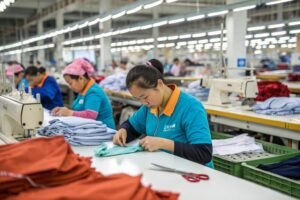
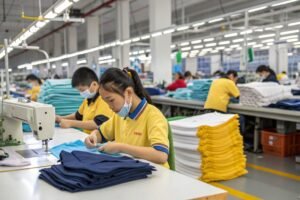
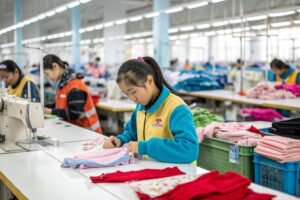
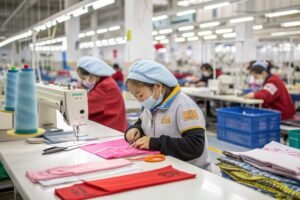
At Shanghai Fumao, we specialize in producing baby and toddler clothing with OEKO-TEX® and GOTS-compliant dyes. With decades of experience and five advanced production lines, we provide safe, high-quality, and customizable garments trusted by clients in North America and Europe. If you are sourcing allergy-free baby clothing for your brand, contact our Business Director, Elaine, at elaine@fumaoclothing.com to explore how we can deliver safe and eco-friendly collections tailored to your market needs.