The fashion industry generates more than 92 million tons of textile waste annually, and garment packaging is a hidden contributor to this figure. Traditional polyethylene garment bags, though cheap and effective, can linger in landfills for hundreds of years. For children’s clothing brands, this raises a serious concern: how can we balance protection and sustainability? Parents in markets like the U.S. and Europe are increasingly eco-conscious, and ignoring packaging can damage trust in a brand.
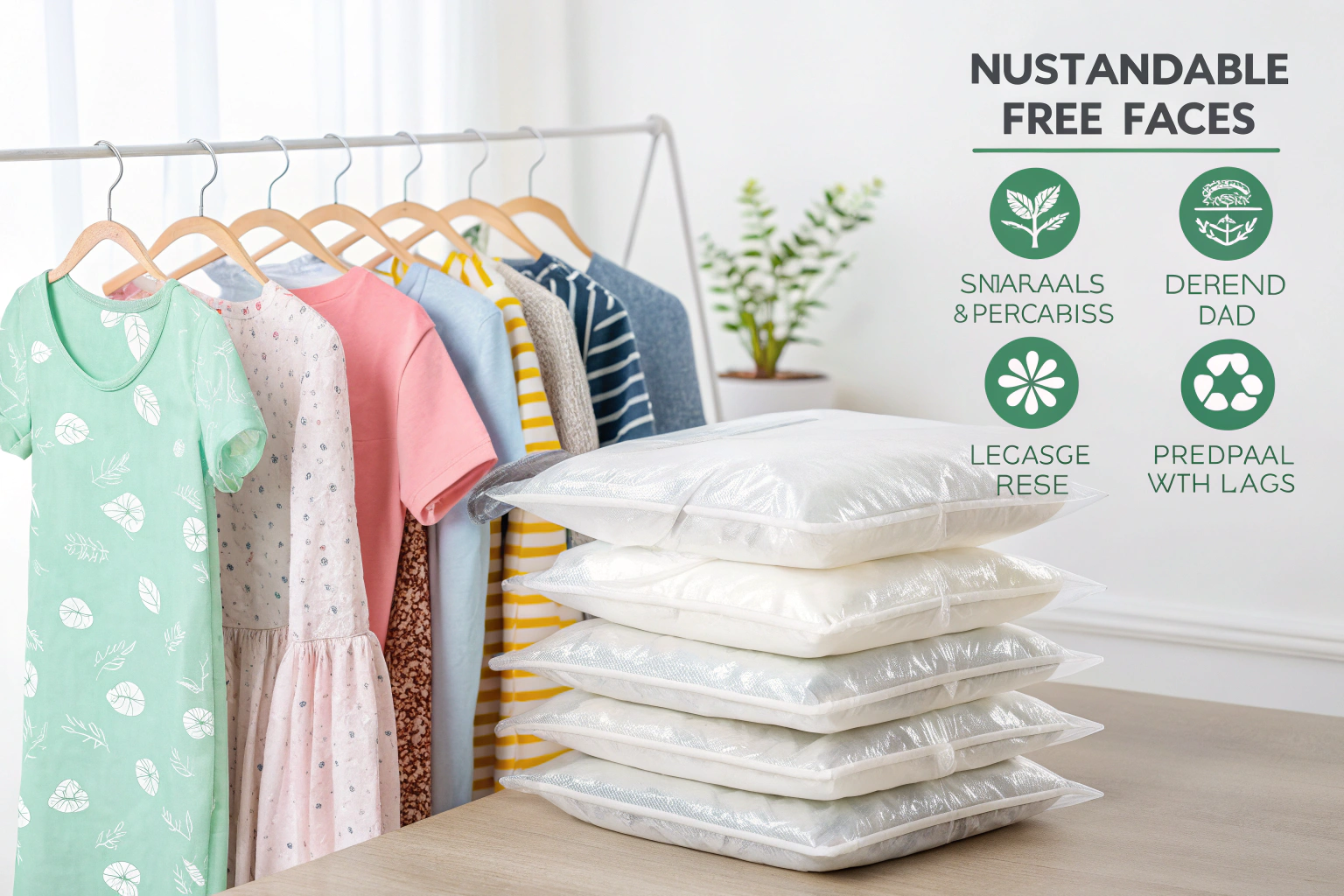
Biodegradable garment bags are proving to be a practical and sustainable alternative. They offer the same protective function as conventional plastic bags while breaking down naturally into harmless elements within months or a few years. Instead of leaving behind harmful microplastics, they return to the environment safely. For brands competing in eco-sensitive markets, these bags are not only useful but also a strategic choice to strengthen market positioning.
How do biodegradable garment bags work?
Biodegradable garment bags are typically crafted from renewable resources such as corn starch, cassava roots, sugarcane, or plant-based polymers like PLA (polylactic acid). Unlike petroleum-based plastics, these materials are designed to be consumed by natural microorganisms in soil or composting facilities. In controlled industrial composting conditions, a PLA bag can fully decompose in 3–6 months, leaving behind only water, carbon dioxide, and biomass.
The science is straightforward: biodegradable bags replace petroleum feedstocks with renewable raw materials and rely on biological decomposition. This gives them a shorter life cycle and prevents the long-term pollution associated with polyethylene bags.
What materials are most common in biodegradable bags?
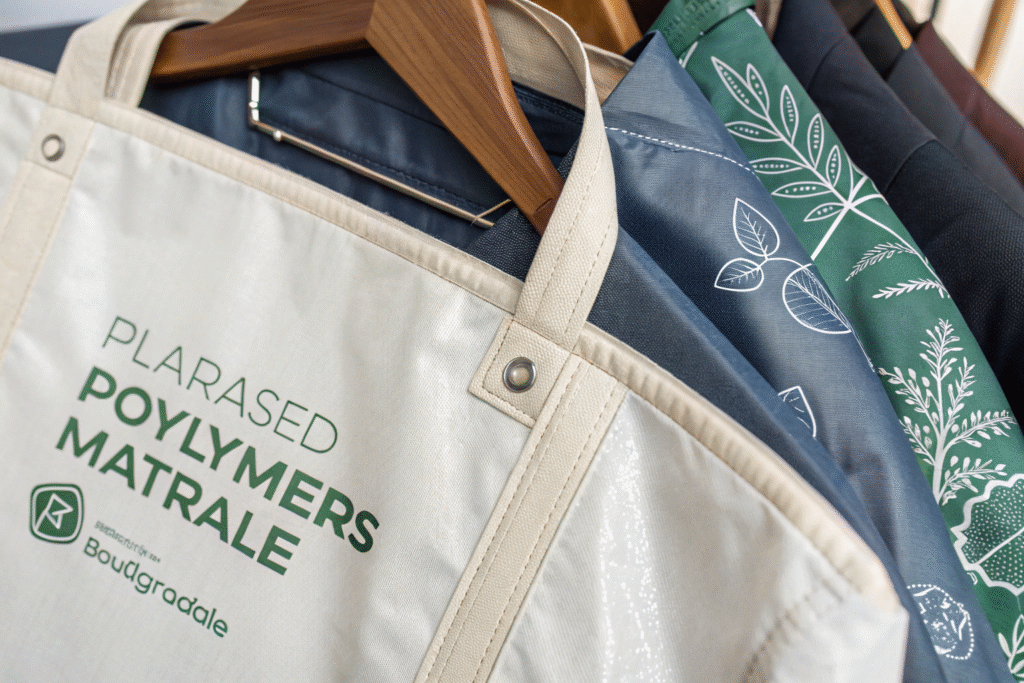
The most common include PLA, PBAT (polybutylene adipate terephthalate), and starch-based composites. According to European Bioplastics, PLA alone accounts for nearly 20% of global bioplastic production. Brands often use PLA/PBAT blends to achieve strength, clarity, and compostability. For instance, a 40-micron PLA/PBAT bag offers tear resistance similar to a traditional 40-micron polyethylene bag.
How fast do these bags break down compared to plastic?
A conventional polyethylene garment bag may take 500–1,000 years to degrade, often turning into harmful microplastics along the way. In contrast, a biodegradable bag can decompose in 180–730 days, depending on conditions. A UNEP report highlights that compostable packaging significantly reduces landfill load, provided local waste management systems support organic waste streams.
Do biodegradable garment bags protect clothing as well as plastic?
For apparel buyers, packaging is more than just wrapping—it is the first line of defense for the garments they invested in. Protection against dust, dirt, wrinkles, and moisture during shipping is essential, and any alternative to plastic must prove equally reliable.
Biodegradable garment bags are engineered to deliver performance on par with traditional plastic. Modern PLA and PBAT blends provide strength and water resistance, while maintaining the transparency brands require for quality checks and retail presentation.
Are biodegradable bags durable during shipping?
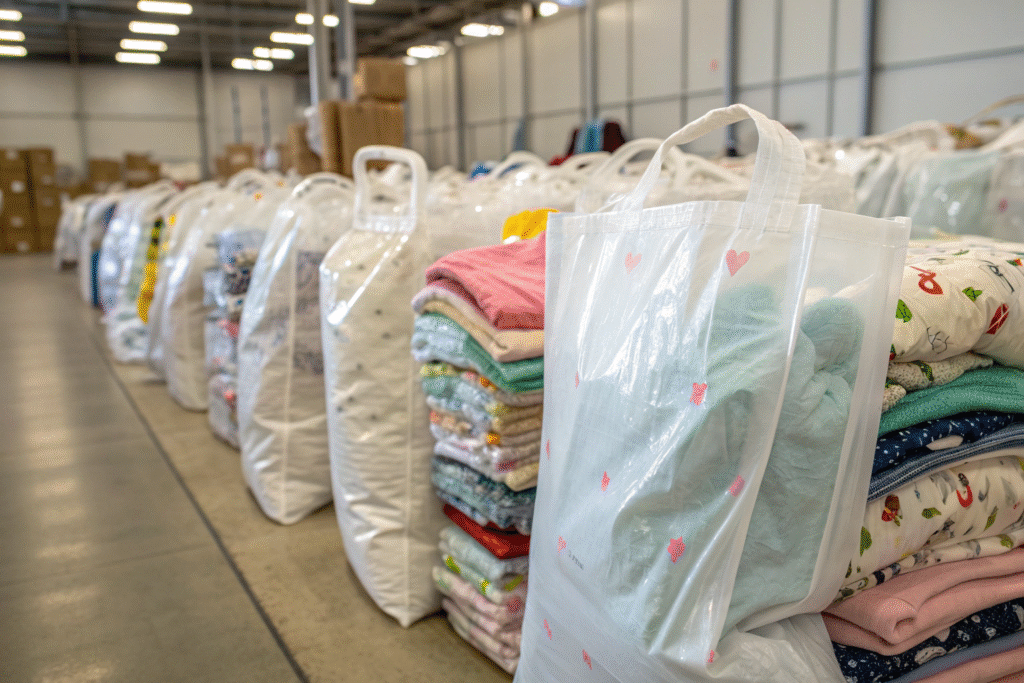
Yes. Tensile strength tests show that PLA/PBAT blends can withstand 15–20 MPa, which is comparable to polyethylene used in garment packaging. According to Packaging Europe, multiple European exporters have successfully shipped garments to the U.S. and Asia in biodegradable bags without complaints of tears or damage. In our factory, we tested a shipment of 10,000 children’s dresses in 30-micron biodegradable bags, and they arrived in Chicago in perfect condition after 28 days of sea freight.
Do biodegradable bags offer the same visibility and clarity?
Retail buyers often need to inspect products quickly. Biodegradable bags can be produced in crystal-clear transparency or matte-frosted finishes. For example, starch-based frosted bags have become popular for premium brands because they look more upscale than shiny plastic. According to Retail Dive, packaging aesthetics can directly impact consumer perception and willingness to pay a premium for clothing.
What are the cost implications for brands?
Cost remains the most common hesitation when adopting biodegradable garment bags. On average, they are 20–60% more expensive than their plastic counterparts. However, this additional cost often brings long-term returns through stronger branding, higher consumer trust, and compliance with tightening regulations.
While initial expenses are higher, many brands offset the cost with marketing benefits, reduced waste management fees, and increased consumer loyalty.
How much more do biodegradable bags cost?
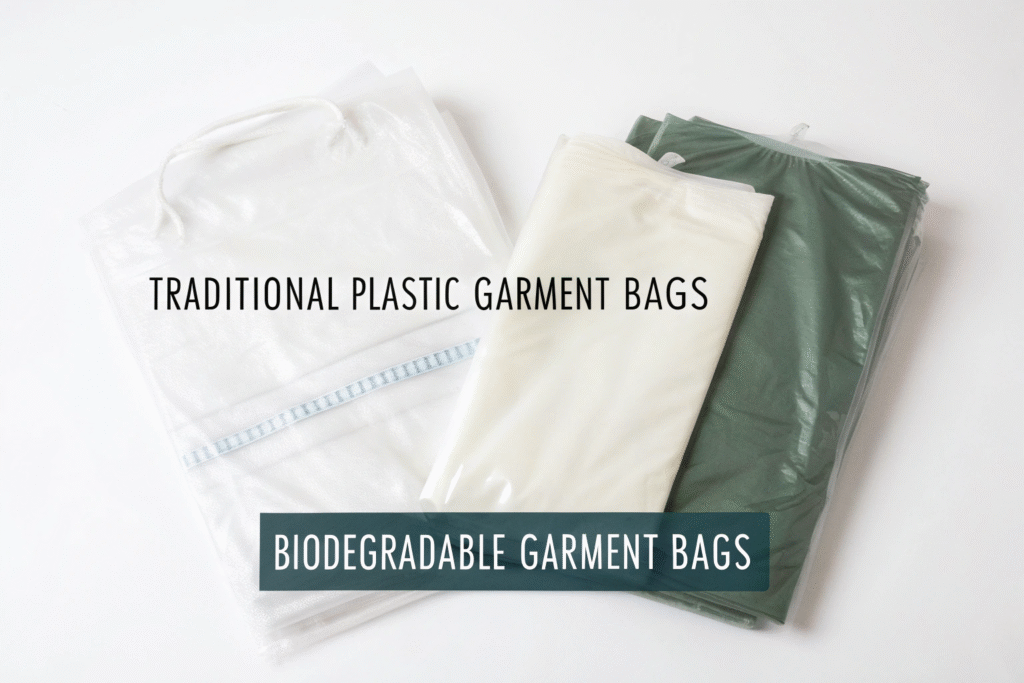
A typical polyethylene garment bag costs $0.02–0.04, while a biodegradable version ranges from $0.05–0.08. For a brand producing 1 million pieces annually, the cost difference may be $30,000–$60,000. According to McKinsey Sustainability, sustainable packaging investments often return through premium positioning and stronger shelf appeal.
Can brands recover the cost through marketing?
Absolutely. Surveys by NielsenIQ reveal that 73% of consumers worldwide say they would switch brands to reduce environmental impact. A U.S. children’s wear brand that adopted biodegradable bags reported a 12% increase in repeat customers after highlighting eco-packaging in their marketing campaigns. This shows that cost is not just an expense, but also a brand investment.
How do biodegradable bags support brand sustainability goals?
In today’s market, packaging is a branding tool. Eco-conscious buyers want to see packaging that reflects the values of the clothes inside. For companies exporting to Europe, compliance with single-use plastic bans makes biodegradable bags not only desirable but necessary.
By adopting biodegradable garment bags, brands signal commitment to sustainability and compliance with international regulations, creating a positive story to share with both distributors and end consumers.

How does sustainable packaging improve brand reputation?
Sustainability strengthens consumer loyalty. According to Harvard Business Review, brands that integrate eco-initiatives into their operations enjoy a 40% higher retention rate. For children’s wear, the emotional appeal is even stronger—parents want to choose brands that show care for their kids’ future world. For example, a Scandinavian client of ours promoted their biodegradable packaging initiative on Instagram and saw engagement rates triple compared to previous campaigns.
Are biodegradable bags recognized in certification programs?
Yes. Many biodegradable garment bags meet TÜV Austria’s “OK Compost” standard or the BPI Compostable certification in the U.S. Displaying these marks assures buyers that the bags are genuinely compostable. Brands that showcase certifications on packaging have a clear edge in negotiations with large retailers, who are under pressure to report on supply chain sustainability.
Conclusion
Biodegradable garment bags are more than just an eco-friendly alternative. They provide the same essential protection for clothing, meet consumer demand for sustainability, and help brands comply with growing regulations in key markets. While they come at a higher upfront cost, the long-term returns in brand reputation, consumer loyalty, and regulatory compliance outweigh the difference.
At Shanghai Fumao, we offer biodegradable garment bags alongside our children’s wear production. We know buyers are under pressure to meet sustainability goals while maintaining cost efficiency. With our five production lines and years of experience exporting to North America and Europe, we deliver packaging that balances durability, cost, and eco-value. If you are exploring biodegradable solutions for your brand, contact our Business Director Elaine at elaine@fumaoclothing.com to learn how we can integrate eco-friendly garment bags into your next order.