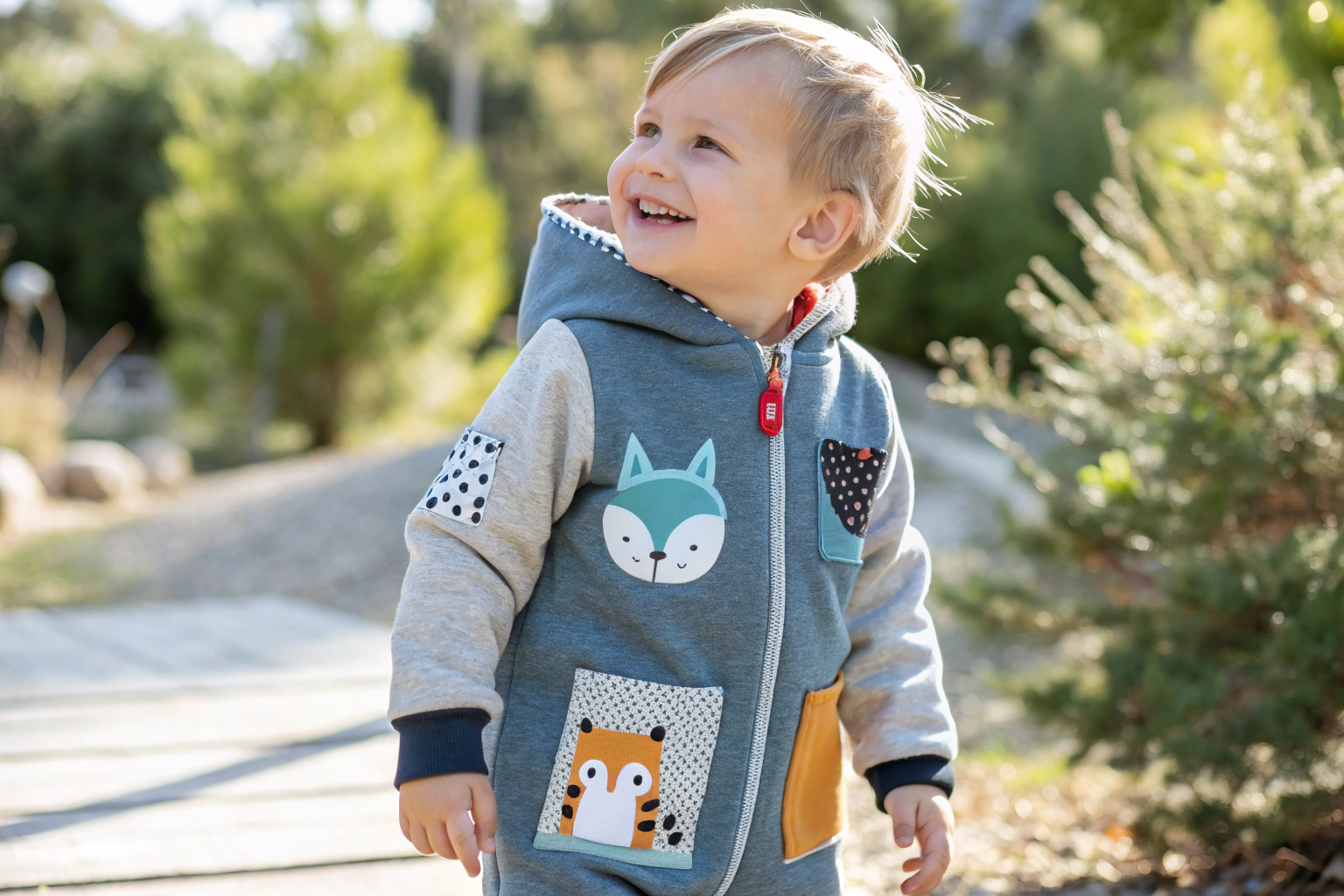
Parents and children often underestimate how much of an impact small design details can have on daily life. For toddlers, clothing is not only about comfort but also about curiosity, creativity, and function. One overlooked yet essential feature in toddler apparel is the pocket. While adults may use pockets for convenience, toddlers view them as small treasure boxes where imagination meets practicality. I have personally seen toddlers put everything from shiny pebbles to half-eaten biscuits into their pockets. This tells us pockets are not trivial—they are part of how a child interacts with the world.
The truth is, innovative toddler pocket designs can transform a garment from ordinary to exciting while helping parents manage daily needs. In the competitive children’s fashion market, unique and functional pockets create opportunities for brands to differentiate themselves and delight their customers. A pair of joggers with a snap-closure pocket can become a bestseller simply because parents trust it will keep toys safe during play.
That is why I want to explore how toddler pocket designs have evolved, what creative solutions leading brands are adopting, and how our factory has integrated innovation into this small but mighty detail of children’s wear. By the end of this article, you will see how even the tiniest design choice can have lasting value.
Why do toddler pockets matter?
Toddlers experience the world through touch and exploration. Clothing pockets quickly become their secret storage for stones, crayons, snacks, and favorite small toys. As a manufacturer, I have often noticed how toddlers’ eyes light up when they discover new pocket features—whether it is a hidden zipper or a fluffy bear-face pocket. This emotional connection can influence parents’ buying choices, because the joy a child feels often translates into loyalty to the brand.
Pockets for toddlers are not just decorative—they combine functionality, play, and safety. Parents look for clothes that give their children freedom to run in playgrounds, sit comfortably in strollers, or crawl on the floor, while still offering practical solutions. For example, a deep front pocket allows a toddler to carry a toy truck, while a hidden side pocket lets parents slip in tissues or pacifiers during outdoor trips.

What role do pockets play in toddler independence?
Pockets serve as early lessons in responsibility. When children learn to keep their small belongings inside a safe pocket, they begin to form habits of care. According to Parenting Science, toddlers build cognitive and motor skills through small storage activities, which can support independence. For example, when a child remembers to put crayons into a pocket after coloring, they practice memory and self-reliance. Over time, this independence empowers toddlers while giving parents relief that their child can manage simple tasks.
How can parents benefit from pocket functionality?
For parents, pockets are small helpers in everyday life. Imagine a father taking his toddler to the park—snacks fit into oversized kangaroo pockets, while a small napkin slides into a side pocket. According to BabyCenter, 8 out of 10 parents prefer toddler clothes that make outings easier. Smart pocket designs solve practical problems, like keeping a child’s hands free or reducing the number of items parents must carry.
What are the latest trends in toddler pocket designs?
In recent years, toddler fashion has seen innovation not only in fabric sustainability but also in functional details like pockets. From interactive designs to safety-focused closures, pockets have transformed into design highlights that make garments both fun and marketable. Brands in the U.S. and Europe are investing in creative details because they know these features attract social media attention and build stronger consumer loyalty.
The latest pocket trends combine imagination with everyday practicality, often reflecting the aesthetics of European and American children’s fashion. These include 3D animal pockets, secure zippers, oversized compartments, and pockets integrated into playful shapes like stars or fruits.

Why are animal-shaped pockets so popular?
Animal-shaped pockets tap into a child’s playful imagination. A hoodie with a bunny pouch featuring floppy ears or a jacket with a dinosaur pocket and embroidered scales turns an ordinary garment into a storytelling piece. According to Children’s Fashion Europe, playful details like these can boost seasonal sales by 25%. Parents often share photos of such clothing on Instagram, making them powerful word-of-mouth marketing tools.
How do zipper and snap pockets improve safety?
Safety is a top concern in toddler wear. Pockets with zippers or snap closures prevent small items from falling out, while also avoiding accidental scratches. Consumer Product Safety Commission guidelines emphasize secure closures in children’s apparel. In winter jackets, U.S. brands often use snap pockets to keep mittens secure, while zipper pockets in joggers ensure kids’ tiny treasures remain safe even when running or climbing. These design details reassure parents that safety and fun can exist together.
How do materials influence pocket design?
Fabric choice directly impacts pocket design. Soft, flexible materials allow deeper or shaped pockets, while stiffer fabrics like denim provide durability but may restrict comfort. For toddlers, the balance between strength and softness is critical. That is why many premium brands carefully test fabrics before launching new lines.
Materials shape not only the function but also the aesthetics of a pocket, making fabric selection a design priority. Eco-friendly fabrics have also gained attention, aligning with sustainability demands in European and American markets.

Which fabrics are best for toddler pocket durability?
Cotton blends remain the most popular due to their softness and breathability. Reinforced stitching on cotton jersey ensures the pocket survives frequent washing. According to Textile World, cotton with added spandex improves flexibility, which is vital for active toddlers. Denim and corduroy are also used in autumn collections, where parents expect clothing to endure outdoor play. For example, our clients in Germany often request corduroy pants with reinforced pockets for their durability during colder months.
How does sustainability influence fabric selection?
Parents increasingly choose garments made with organic cotton or recycled polyester. Sustainable fabrics reduce environmental impact while offering premium quality. Brands like Patagonia highlight sustainable toddler lines, showing that eco-friendly materials resonate strongly with modern buyers. In fact, demand for organic toddler apparel has grown 15% annually in the U.S. market, making sustainability not just a trend but a long-term consumer priority.
How can brands benefit from innovative pocket designs?
For brands, pockets offer differentiation in a crowded market. Buyers often seek “something special” that sets their collection apart. Pockets can be customized with logos, embroidery, or special stitching that subtly communicates brand identity. For instance, a U.S. distributor might order sweatshirts with logo-stitched kangaroo pockets to strengthen brand recognition.
Innovative pockets provide not only functional benefits but also branding opportunities, boosting sales and building consumer loyalty. The return on investment for small design upgrades like creative pockets is surprisingly high, often leading to repeat orders.

How do pockets support brand storytelling?
When brands integrate story-driven pocket designs—like star-shaped pouches for holiday collections or shell-shaped pockets for summer—they connect emotionally with buyers. According to Harvard Business Review, emotional branding can increase consumer loyalty by 40%. One of our clients used snowflake-embroidered pockets in a winter collection, which helped the brand sell out their line within two weeks.
Why do buyers value customizable pocket options?
Customization gives buyers flexibility to match local market demands. For example, a Canadian retailer requested oversized front pockets with fleece lining to adapt to colder weather, while an American online store asked for zippered side pockets for safety-conscious parents. Alibaba reports thousands of buyer requests mentioning pocket customization in children’s apparel, proving that details drive orders. Offering tailored pocket solutions ensures long-term partnerships and brand trust.
Conclusion
Innovative toddler pocket designs are not minor details. They blend playfulness, practicality, safety, and branding into one powerful feature that influences purchase decisions. From animal-shaped storytelling to sustainable fabrics, every design choice creates value for children, parents, and brands. By focusing on these details, clothing lines become memorable, marketable, and profitable.
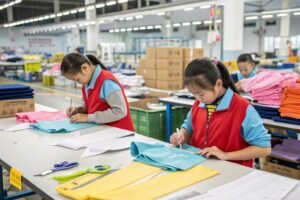
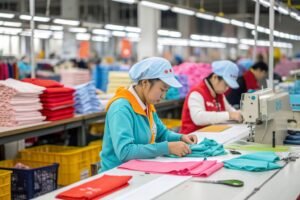
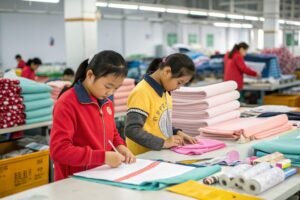
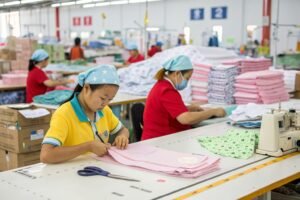
At Shanghai Fumao, we specialize in creating toddler clothing with pocket designs that meet international safety standards and consumer expectations. With five production lines and decades of experience, we ensure quality, timely delivery, and full customization. If you are a brand owner, distributor, or apparel buyer seeking to bring creativity and reliability to your children’s wear line, we invite you to contact our Business Director, Elaine, at elaine@fumaoclothing.com to discuss how we can produce your next collection.