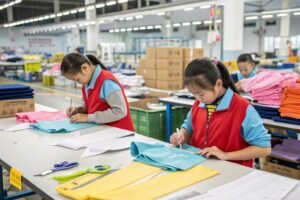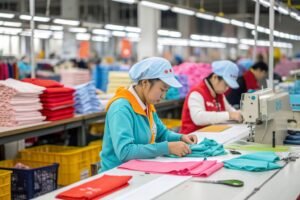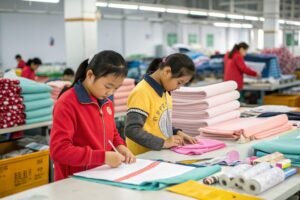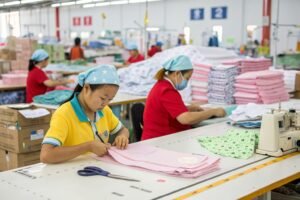
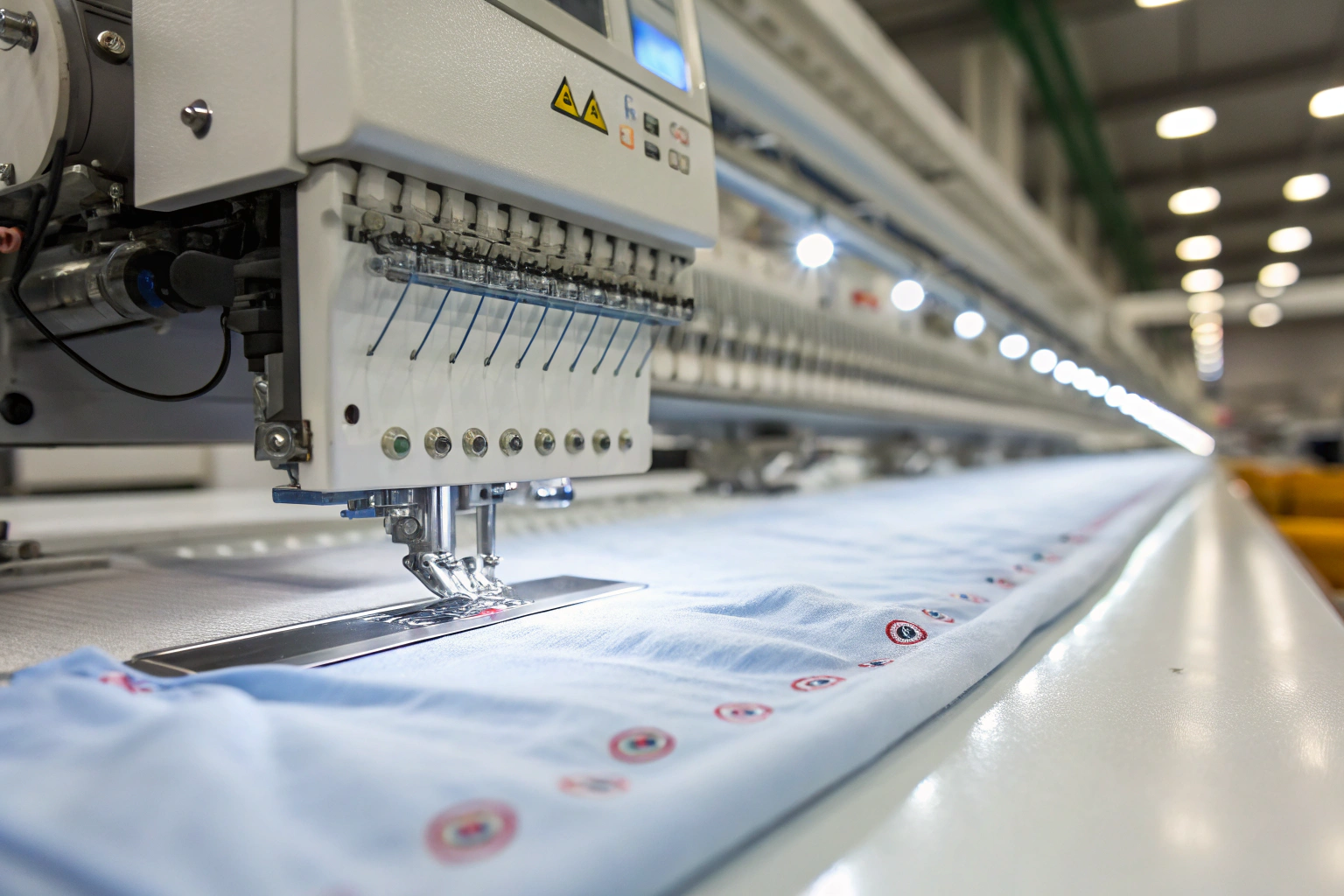
In garment manufacturing, every technical detail contributes to the overall quality of the finished product. Among these details, stitch density—the number of stitches per inch or centimeter—plays a critical role in both performance and appearance. If the stitch density is too low, seams may fail after minimal use. If it is too high, fabrics may pucker or weaken. Therefore, manufacturers must balance stitch density carefully to ensure durability, safety, and visual appeal.
Stitch density is important because it influences seam strength, garment longevity, appearance, and compliance with international safety standards. By controlling stitch density, manufacturers can reduce defects, enhance customer satisfaction, and build a reputation for quality.
From my experience in children’s clothing production, I know that buyers often evaluate stitch density during quality checks. This single factor reflects not only technical precision but also the reliability of a factory’s quality control system.
How Does Stitch Density Affect Durability?
Durability is one of the most direct outcomes of proper stitch density. Seams form the foundation of a garment, and their strength determines how long the clothing can withstand daily use.

Why do low-density seams fail quickly?
When stitch density is too low, fabric layers are not held firmly together. This allows gaps to form, especially after repeated washing or stretching. As a result, seams may unravel prematurely, causing the garment to lose shape or function.
How does higher density improve strength?
A higher number of stitches distributes tension more evenly along the seam. Therefore, garments can endure pulling, twisting, and frequent laundering without damage. However, excessive density must be avoided because it can perforate delicate fabrics, reducing strength instead of enhancing it.
What Role Does Stitch Density Play in Appearance?
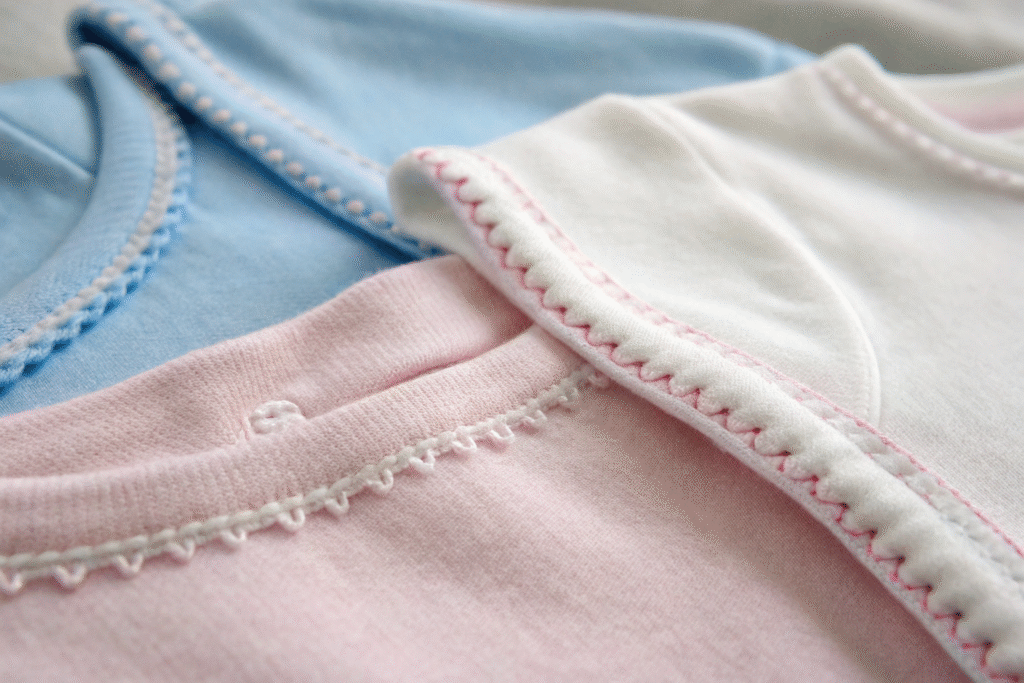
Stitch density also has a direct influence on how garments look. Even if seams are technically strong, inconsistent or uneven stitching reduces perceived quality.
Why does uneven density lower quality perception?
Loose or irregular stitches make seams appear cheap and unprofessional. Parents and buyers can spot these flaws immediately, which undermines trust in the product.
How does proper density create premium appeal?
When stitches are evenly spaced, seams look smooth and polished. As a result, the garment conveys craftsmanship and reliability. This is why many premium brands set strict stitch density standards and reject goods that do not meet them.
How Is Stitch Density Linked to Safety and Standards?
In baby and toddler clothing, stitch density is not just about strength or aesthetics—it is also a safety requirement. Weak seams can create hazards, making compliance essential.

Why is stitch density considered a safety issue?
If seams open, small components such as buttons, snaps, or stuffing may detach. This can create choking risks. Because of this, international regulations include stitch density as part of seam strength testing.
Which standards address this?
- ASTM D1683 (U.S.): Tests seam strength and resistance to slippage.
- ISO 13935-2 (Global): Defines seam tensile strength requirements.
- EN 14682 (Europe): Relates to children’s clothing safety, indirectly tied to seam integrity.
By meeting these standards, manufacturers protect consumers and reduce the risk of recalls or penalties.
How Do Manufacturers Control Stitch Density?
Achieving correct stitch density requires both technical adjustments and consistent quality checks.
What machine settings are involved?
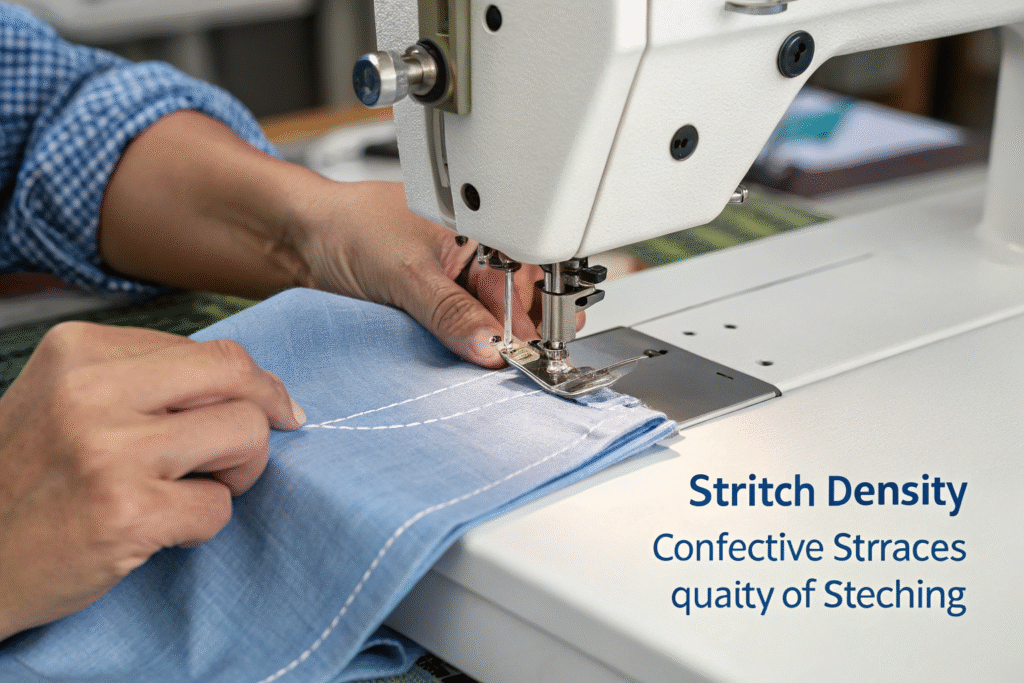
Stitch density is controlled mainly by stitch length. Shorter stitches increase density, while longer stitches decrease it. The correct balance depends on fabric type, thread size, and garment purpose.
Why are inspections necessary?
Even when machines are calibrated, random checks must be performed during production. Inspectors use stitch counters to confirm consistency. Because a single weak seam can cause product failure, ongoing monitoring is essential. As a result, quality audits often include stitch density as a mandatory checkpoint.
Conclusion
Stitch density may seem like a small technical detail, but it influences durability, appearance, safety, and compliance. Low stitch density leads to weak seams, while uneven density undermines aesthetics. By maintaining the correct density through machine adjustments and strict inspections, manufacturers deliver garments that last longer, look professional, and comply with safety standards.
At Shanghai Fumao Clothing, we follow international stitch density guidelines to ensure both quality and safety. With precise controls and rigorous inspections, we produce children’s garments that meet the expectations of premium buyers worldwide.
📩 Contact our Business Director Elaine at elaine@fumaoclothing.com to learn more about how we maintain strict quality standards in our manufacturing process.