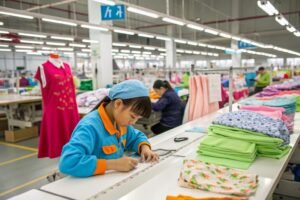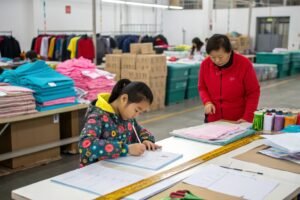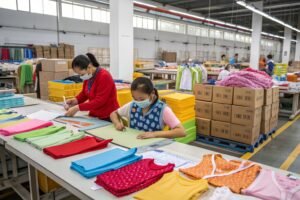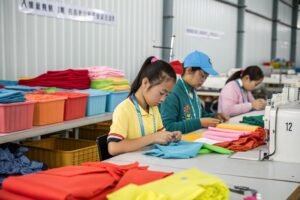
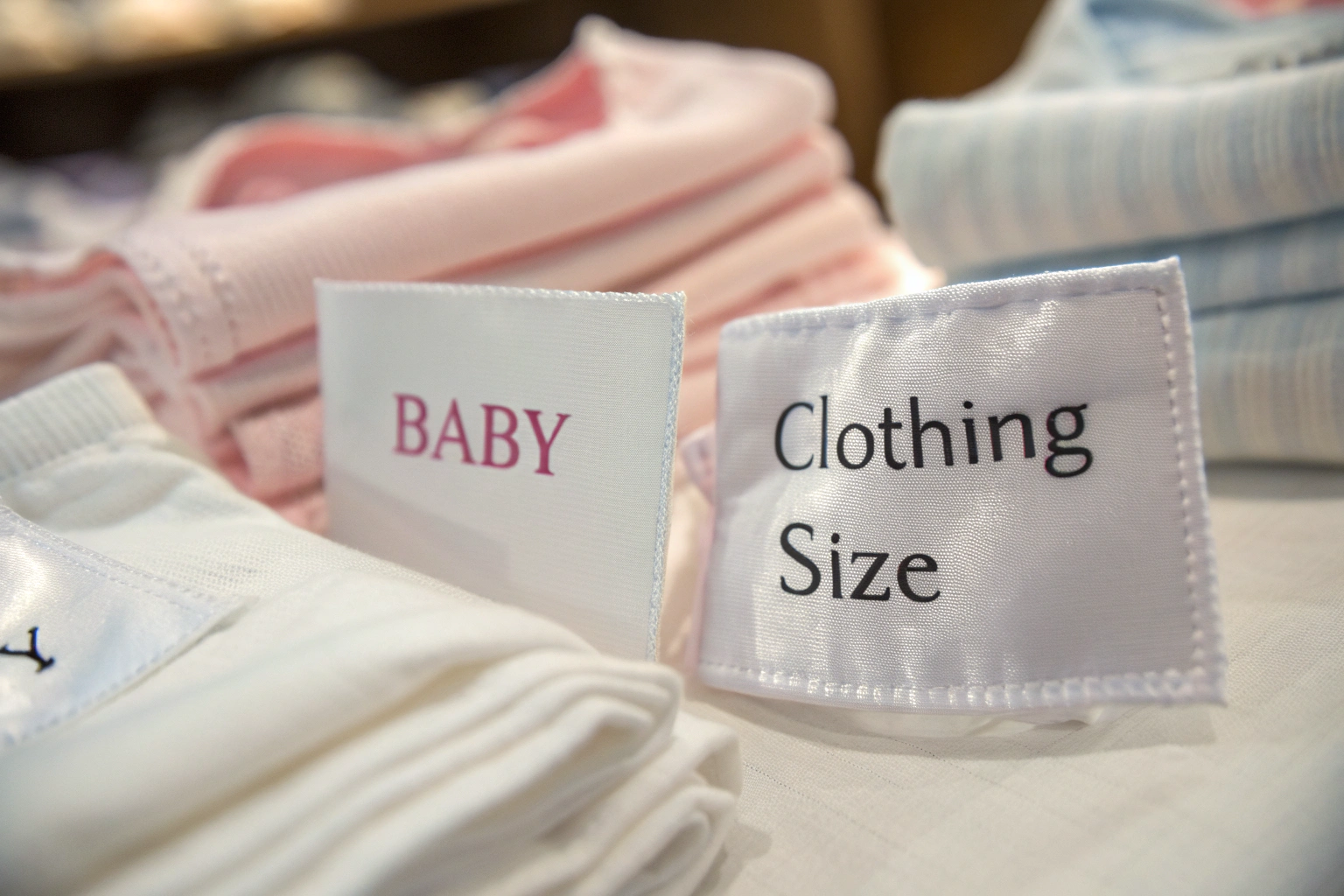
Baby clothing size tags may seem like a small detail, but they play a big role in creating a positive customer experience. Parents rely on them to quickly choose the right garments, while brands depend on them to minimize returns and build trust. When tags are unclear or inconsistent, frustration occurs, and this can harm brand reputation. As a result, accurate and well-designed size tags are now considered essential in the baby clothing market.
The best baby clothing size tags are those that use standardized measurements, safe and soft materials, clear printing, and international size conversions. These elements reduce confusion, protect delicate skin, and support global sales.
From my experience as a children’s clothing exporter, I have seen that well-executed size tags not only improve buying confidence but also ensure smoother logistics and fewer complaints. Below, I explain why size tags matter, which materials work best, how information should be displayed, and what practices global brands should follow.
Why Do Size Tags Matter in Baby Clothing?
Parents often shop quickly, and they want to find the right size without hesitation. Therefore, size tags become the first reference point they check.

How do tags reduce buying errors?
Accurate tags help parents select garments with confidence. When tags display age, height, or weight ranges, they prevent sizing mistakes. As a result, returns and exchanges are reduced, saving time for both parents and retailers.
Why are tags critical for global sales?
Sizing systems differ worldwide. For example, U.S. brands often use age-based sizing, while European brands use height in centimeters. If tags include both references, they allow international buyers to make better decisions. According to SizeChart.com, brands that adopt multiple sizing systems improve cross-border sales performance.
What Materials Are Best for Size Tags?
The material of a size tag directly affects comfort. Babies have delicate skin, so rough or stiff tags can irritate them. Because of this, brands must carefully select tag materials.

Why choose satin or cotton tags?
Soft woven satin and printed cotton tags are smooth and non-irritating. Parents notice this detail, and it increases their trust in the brand. Therefore, many premium babywear companies use these materials.
How do heat-transfer tags compare?
Heat-transfer printing places size information directly on the fabric. This eliminates the need for a physical tag, which reduces irritation. Brands such as Carter’s and H&M Kids use this method for basic babywear. However, because printing can fade after many washes, durability tests are necessary before bulk production.
How Should Size Information Be Displayed?
Clarity is just as important as comfort. Parents want to understand size information instantly, without confusion.

Why use multiple size references?
Using both age (e.g., 6–9 months) and height/weight (e.g., 68–74 cm or up to 20 lbs) helps parents account for babies growing at different rates. As a result, the likelihood of choosing the wrong size decreases.
How does printing style affect readability?
Clear fonts, strong contrast, and simple layouts improve visibility. When tags avoid clutter and use larger text, parents can identify sizes more quickly. Retail studies from NielsenIQ confirm that clear labeling builds confidence and speeds up purchase decisions.
What Are the Best Practices for Global Brands?
For brands selling internationally, size tags must adapt to different markets while still maintaining standardization.

Why include international conversions?
A baby labeled “12 months” in the U.S. might be labeled “80 cm” in Europe. If both are included, parents shopping online or abroad avoid confusion. Therefore, international conversions improve accessibility and reduce customer service issues.
How can brands ensure compliance?
Retailers and regulators require brands to follow local labeling laws. For example, the EU Textile Regulation governs label content in Europe. Compliance ensures smooth customs clearance and builds brand credibility.
Conclusion
The best baby clothing size tags are those that combine standardized sizing, soft materials, clear readability, and international compatibility. These elements not only protect babies’ skin but also reduce parent confusion and support global sales.
At Shanghai Fumao Clothing, we produce garments with customized size tags using satin, cotton, or heat-transfer options. We also provide multilingual sizing references to meet international buyer needs. By combining safety with clarity, we help brands improve customer trust and reduce returns.
📩 Contact our Business Director Elaine at elaine@fumaoclothing.com to discuss customized size tag solutions for your baby clothing line.