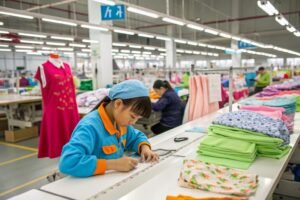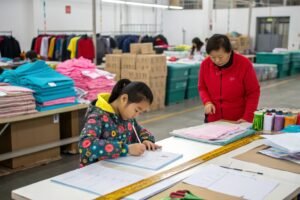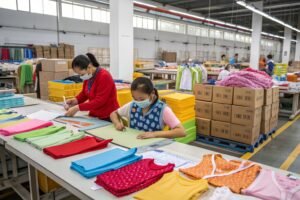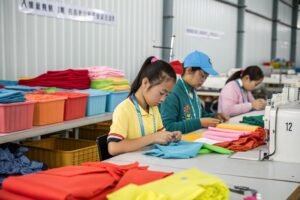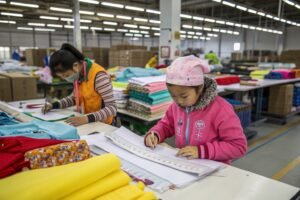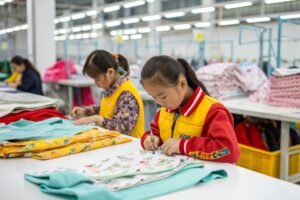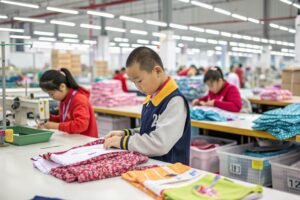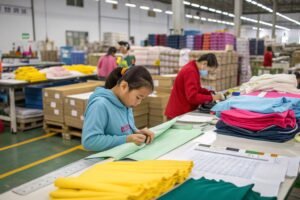

Moisture-wicking fabrics are gaining popularity in toddler clothing because they keep children dry and comfortable during play and daily activities. Parents want clothing that not only looks good but also helps manage sweat and spills more effectively. As a result, brands that offer moisture-wicking garments stand out in a competitive market.
The best way to source moisture-wicking toddler fabrics is to identify the right materials, choose certified suppliers, confirm safety standards, and evaluate both cost and performance. By following this process, businesses can ensure fabrics are safe for toddlers while meeting performance and design requirements.
As a children’s wear manufacturer, I often guide buyers through fabric sourcing decisions. Below, I outline the essential steps for finding reliable moisture-wicking fabrics for toddler clothing.
What Makes Fabrics Moisture-Wicking?
Before sourcing, it is important to understand how moisture-wicking fabrics work. These textiles pull moisture away from the skin and allow it to evaporate quickly, which keeps toddlers dry and prevents irritation.

Which fibers provide natural wicking?
- Bamboo: Naturally breathable and antibacterial, bamboo is soft on toddler skin.
- Merino wool: Provides warmth and moisture management, although its higher cost makes it less common in toddler clothing.
Why are synthetics often blended in?
Polyester and nylon are frequently combined with natural fibers to increase durability and enhance moisture transport. According to Textile Exchange, blended fabrics offer the best balance between comfort, performance, and sustainability. Therefore, blends are widely used in toddler activewear.
Which Fabrics Are Best for Toddler Clothing?
Not all moisture-wicking fabrics are equally suitable for toddlers. Safety and comfort must always come first, which means sourcing fabrics that balance softness with performance.

Why choose bamboo-cotton blends?
Bamboo-cotton blends combine natural softness with effective moisture control. They are eco-friendly and breathable, which makes them suitable for everyday wear. Certifications such as OEKO-TEX® Standard 100 assure buyers that these fabrics are free from harmful chemicals.
How do polyester-spandex knits perform?
Polyester-spandex fabrics offer excellent stretch, quick drying, and durability. As a result, they are often used in active toddler wear, where flexibility and performance are critical. Their resilience also means fewer replacements for parents, which increases customer satisfaction.
Where Can You Source These Fabrics?
Once you know which fabrics work best, the next step is to identify sourcing hubs and channels. Location matters because it affects quality, lead time, and compliance.

Which sourcing hubs are leading?
- China: Offers large-scale production of bamboo blends and polyester knits, with factories specializing in babywear fabrics.
- India: Known for organic cotton, often blended with bamboo for eco-conscious toddler wear.
- Vietnam: Recognized for consistent quality and compliance with U.S. and European standards.
What sourcing channels are available?
Trade shows such as Canton Fair and Première Vision allow direct engagement with suppliers. Online platforms like Alibaba and Fibre2Fashion provide access to verified fabric manufacturers, often with certification filters.
What Should You Ask Suppliers?
Even when a supplier looks promising, asking detailed questions is essential to confirm both safety and performance.

Which questions confirm safety and quality?
- “Do you provide OEKO-TEX® or GOTS certification?”
- “Can you share test reports on wicking performance and durability?”
- “What is the shrinkage rate after repeated washing?”
Why ask about logistics and pricing?
Suppliers’ answers on minimum order quantities (MOQs), lead times, and shipping terms affect both cost and reliability. For example, suppliers that offer Delivered Duty Paid (DDP) simplify customs clearance, which reduces delays and hidden costs. Therefore, logistics discussions are as important as fabric performance checks.
Conclusion
Sourcing moisture-wicking toddler fabrics requires a step-by-step approach: first, understand how moisture-wicking works; next, choose safe and comfortable blends; then, identify reliable sourcing hubs; and finally, confirm compliance and logistics with suppliers. Each step ensures that the final product is both practical for parents and safe for toddlers.
At Shanghai Fumao Clothing, we specialize in toddler garments made from bamboo-cotton blends and polyester-spandex knits. With certified fabrics, strict testing, and strong supply chain partnerships, we help brands deliver collections that combine comfort, safety, and performance.
📩 Contact our Business Director Elaine at elaine@fumaoclothing.com to explore moisture-wicking fabric options for your toddler wear line.