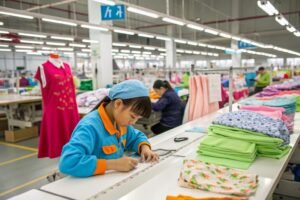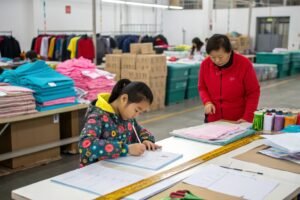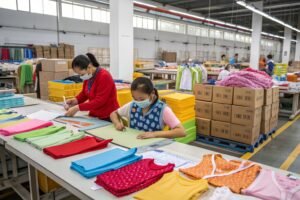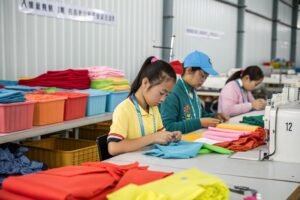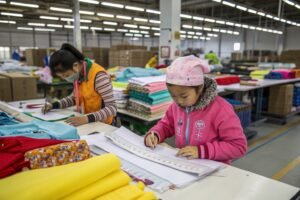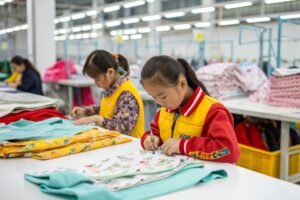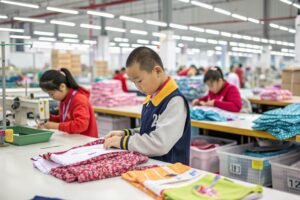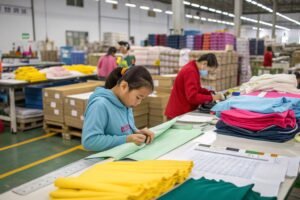
As both a manufacturer and a researcher in textile sciences, I have seen firsthand how thermal baby clothing has become one of the fastest-growing categories in children’s apparel. Parents demand garments that keep infants warm without bulk, while buyers and brands require fabrics that meet strict safety and sustainability standards.
The best way to source thermal baby clothing is to partner with certified factories using safe thermal fabrics, enforce international compliance testing, and verify supplier reliability before large-scale orders. By doing so, brands can reduce sourcing risks, guarantee comfort for babies, and strengthen trust with parents.
This article combines academic research in textile engineering with decades of industry practice to explain the most effective sourcing strategies for thermal baby clothing.
What Fabrics Are Best for Thermal Baby Clothing?
Thermal performance begins with the right fabric selection.
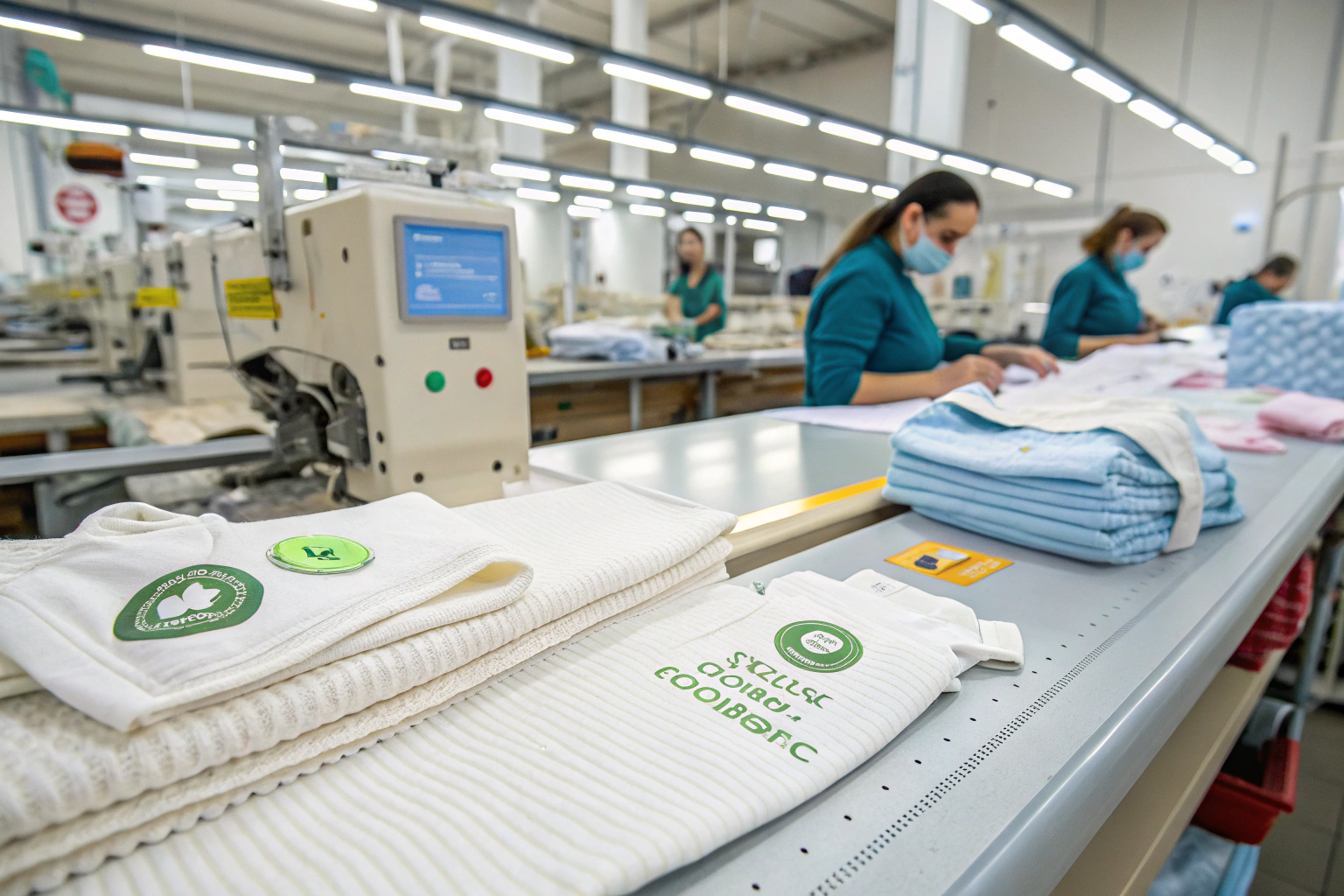
The most suitable materials are waffle cotton knits, brushed cotton blends, bamboo viscose, and certified merino wool. These fabrics provide insulation while remaining breathable for sensitive infant skin.

Why Waffle or Interlock Cotton?
Waffle and interlock structures trap air pockets, improving insulation. Research from Textile World highlights that waffle knits are efficient for thermal undergarments.
Is Merino Wool Safe for Babies?
Yes—when certified. The Woolmark certification ensures merino wool meets softness and safety standards. Combined with OEKO-TEX Standard 100, it guarantees the absence of harmful chemicals.
How to Identify Reliable Manufacturers?
Not all suppliers can produce thermal garments with consistent quality.
Reliable factories specialize in knitwear, hold international certifications, and have experience exporting winter baby apparel.

Which Certifications Should You Look For?
- GOTS: For organic cotton thermals.
- OEKO-TEX Standard 100: Ensures fabrics are free from harmful substances.
- CPSIA: Required for baby clothing in the U.S.
- BSCI: Confirms ethical labor practices.
Factories can be sourced through platforms like Fibre2Fashion and Global Sources.
Should You Request Pilot Runs?
Yes. A small order (200–500 pieces) helps test for shrinkage, colorfastness, and thermal retention. This reduces risks before committing to bulk production.
What Safety Standards Must Be Met?
Baby clothing must adhere to strict safety requirements.
Thermal garments need to comply with flammability laws, chemical safety regulations, and choking hazard prevention standards.

Why Flammability Testing Matters
In the U.S., the CPSC requires thermal sleepwear to be either flame-resistant or snug-fitting. Failure to comply can result in recalls and penalties.
What About Chemical Safety?
European REACH regulations ban hazardous dyes and chemicals. Third-party labs such as SGS and Intertek provide independent reports to confirm compliance.
Where Can You Source Thermal Baby Clothing?
Sourcing channels vary by business model, but the most effective are trade fairs, verified B2B platforms, and direct factory partnerships.

Are Trade Fairs Still Relevant?
Yes. Events like Canton Fair in China feature specialized winter and thermal clothing suppliers. Face-to-face meetings help establish trust and verify product quality.
Which Online Platforms Work Best?
Websites such as Alibaba and Fibre2Fashion let buyers filter for certified baby thermal clothing manufacturers. LinkedIn can also connect sourcing managers directly with decision-makers.
What Future Trends Influence Thermal Baby Clothing?
The thermal baby wear category is evolving with sustainability and innovation.
Trends include recycled polyester paddings, bamboo blends, digital thermal testing, and circular packaging solutions.

Will Sustainability Dominate?
Yes. Parents increasingly demand eco-friendly thermals. Recycled fabrics and biodegradable packaging are becoming standard.
Will Technology Improve Quality?
Yes. AI-driven fabric testing and blockchain traceability platforms such as TextileGenesis are emerging to ensure authenticity and compliance.
Conclusion
Thermal baby clothing requires sourcing strategies that combine technical textile knowledge, strict compliance, and reliable supplier partnerships. By focusing on certified fabrics, thorough testing, and sustainable practices, brands can build collections that satisfy both parents and regulators.
At Shanghai Fumao Clothing, we specialize in thermal baby apparel made with GOTS- and OEKO-TEX-certified fabrics, CPSIA compliance, and advanced knitting technologies. If you are planning to launch a thermal baby clothing line, contact our Business Director Elaine at elaine@fumaoclothing.com. We are ready to help you source garments that are safe, stylish, and profitable.